
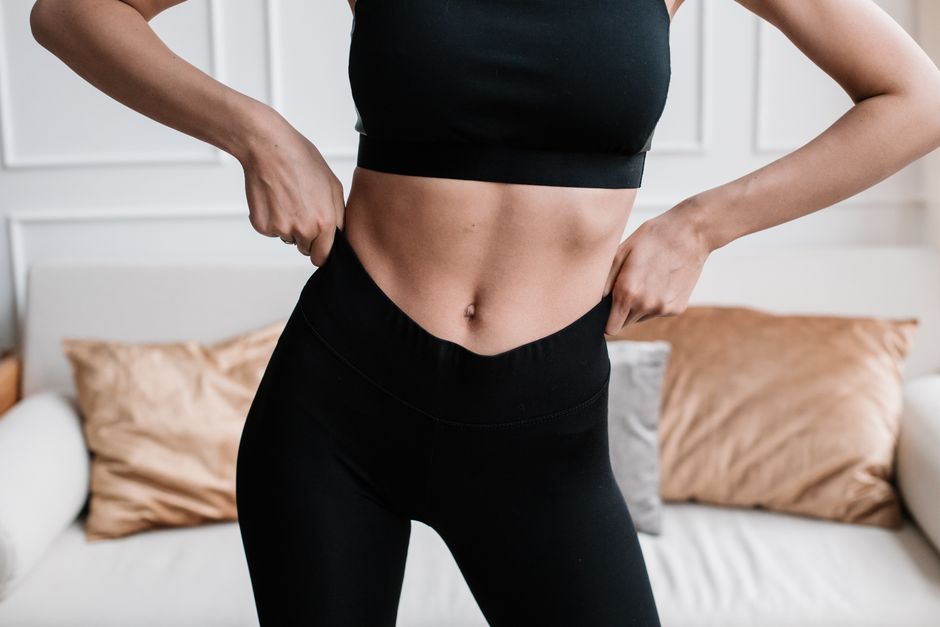
No single exercise burns fat specifically from your stomach. Fat loss happens evenly across your whole body when you burn more calories than you eat. However, certain exercises are more effective at building muscle and increasing calorie burn, which can help reduce overall body fat — including the fat stored around your abdomen.
Can You Target Belly Fat with Specific Exercises?
The short answer is no. It is a myth that doing crunches, sit-ups, or any one movement will melt fat from your stomach in particular. This idea is called spot reduction, and decades of research have consistently shown it does not work.
When you exercise, your body pulls energy from fat stores throughout your body, not just the muscles you are working. Your genetics largely determine where you lose fat first. For many people, belly fat is the last to go. Doing hundreds of crunches will strengthen your abdominal muscles, but it will not remove the fat covering them unless you also create an overall calorie deficit.
What Types of Exercise Are Most Effective for Reducing Belly Fat?
Research shows that a combination of aerobic exercise (cardio) and strength training is most effective for reducing overall body fat, including belly fat. Aerobic exercise burns calories during the activity. Strength training builds muscle, which raises your resting metabolism so you burn more calories throughout the day.
High‑intensity interval training (HIIT) has gained attention for its efficiency. Some studies suggest that HIIT can reduce visceral fat — the harmful fat deep inside your abdomen — more than moderate‑intensity steady‑state cardio, even when total calorie burn is similar. The exact reason is still being studied, but it may relate to how HIIT affects hormones and post‑exercise calorie burn.
That said, no single type of exercise guarantees faster belly fat loss. The best exercise for you is one you can do consistently and safely.
How Does Cardio Compare to Strength Training for Stomach Fat?
Both matter, but they work differently. Cardio burns more calories per minute during the activity. Strength training builds lean muscle, which increases your resting metabolic rate. A 2014 study in the Journal of Applied Physiology found that people who did both cardio and strength training lost more body fat overall than those who did only one.
For belly fat specifically, moderate‑to‑vigorous aerobic exercise appears to be particularly effective at reducing visceral fat. The American Heart Association recommends at least 150 minutes of moderate‑intensity aerobic activity or 75 minutes of vigorous activity per week, plus muscle‑strengthening activities at least two days per week.
Important: Strength training alone, without an overall calorie deficit, is unlikely to produce visible fat loss in the stomach area. The muscle you build may become visible only once the fat layer on top is reduced.





What Is the Exercise That Burns Fat in Stomach? The Truth
No specific exercise burns fat exclusively from your stomach. If you search for the “exercise that burns fat in stomach,” you will see many claims about ab machines, specific yoga poses, or core‑focused workouts. None of these have been proven to spot‑reduce belly fat.
Instead, the most effective approach is a full‑body exercise routine that creates a calorie deficit. Compound movements like squats, deadlifts, push‑ups, and rowing engage multiple large muscle groups and burn more calories than isolated ab exercises. Pair these with consistent cardiovascular activity — brisk walking, cycling, swimming, or running — to maximize overall fat loss.
Building strong abdominal muscles through exercises like planks, bicycle crunches, and leg raises is still valuable. Strong core muscles improve posture, reduce back pain, and make everyday movements easier. Just do not expect those exercises alone to remove belly fat.
What Role Does Diet Play in Losing Stomach Fat?
Exercise alone is rarely enough to produce major reductions in belly fat. Diet plays a larger role than exercise for weight loss in general. You cannot out‑exercise a poor diet. To lose fat anywhere on your body, you need a sustained calorie deficit — eating fewer calories than you burn.
Certain dietary patterns are linked to lower levels of abdominal fat. Reducing added sugars and refined carbohydrates (white bread, sugary drinks, pastries) appears to be especially helpful. A 2015 study in the Journal of Nutrition found that people who ate fewer processed foods and more whole grains, lean protein, and vegetables had less visceral fat over time.
There is no single “belly fat diet.” The evidence supports a balanced, calorie‑controlled eating pattern that you can maintain long term. Crash diets often lead to muscle loss and regain of fat, including around the abdomen.
How Long Does It Take to See Changes in Stomach Fat?
There is no fixed timeline. It depends on your starting body fat percentage, calorie deficit size, exercise routine, sleep, stress levels, and genetics. A safe and sustainable rate of fat loss is about 1 to 2 pounds per week. Even then, you may not notice visible changes in your stomach for several weeks or months.
Progress is not linear. Many people lose fat from their arms, face, or legs first before the belly area starts to shrink. This is normal. Taking waist measurements rather than relying on the scale can give a more accurate picture of change because muscle gain may offset fat loss on the scale.
Are There Any Proven Shortcuts to Burn Belly Fat Faster?
No reliable shortcut exists. Spot‑reduction devices, waist‑trimming belts, vibrating platforms, and topical creams have not been shown to reduce belly fat in well‑controlled studies. Some of these products may temporarily dehydrate the skin or cause water loss, but they do not remove fat.
Certain strategies may help support fat loss without being “shortcuts”:
- Getting enough sleep: Poor sleep is linked to higher levels of cortisol, a stress hormone that promotes abdominal fat storage. Aim for 7 to 9 hours per night.
- Managing stress: Chronic stress also raises cortisol. Mind‑body practices like yoga, meditation, or deep breathing can help.
- Staying hydrated: Water helps with metabolism and appetite regulation. Replace sugary drinks with water or unsweetened beverages.
None of these replace the need for a calorie deficit and regular exercise. They are supportive, not sufficient on their own.
What About Ab Exercises Like Crunches and Planks?
Ab exercises are excellent for strengthening your core. A strong core improves athletic performance, balance, and can help prevent lower back injuries. Planks, dead bugs, and leg raises are effective movements that engage multiple muscles in the trunk.
However, you cannot see your abdominal muscles if they are covered by a layer of body fat. The term “visible six‑pack” is largely a matter of low enough body fat percentage — typically below 12% for men and below 20% for women. For most people, achieving that level of leanness requires strict dieting and is not necessary for good health.
If your goal is to reduce belly fat for health reasons — not just appearance — focus on reducing overall body fat. Ab exercises can be part of your routine but should not be the main focus.
Frequently Asked Questions
Does running burn belly fat quickly?
Running burns calories and can help reduce overall body fat, including belly fat, but not faster than other forms of exercise. Consistency and a calorie deficit matter more than the specific activity.
How many crunches should I do a day to lose belly fat?
Crunches alone will not remove belly fat. You cannot target fat loss from a single area. Focus on a full‑body workout and a healthy diet instead.
Can I lose belly fat without exercise?
Yes, you can lose belly fat through diet alone if you maintain a calorie deficit. However, exercise helps preserve muscle, improves metabolic health, and makes weight loss more sustainable.
What is the best exercise for belly fat loss?
No single exercise is best. A combination of aerobic exercise, strength training, and a calorie‑controlled diet is the most effective approach supported by research.
