
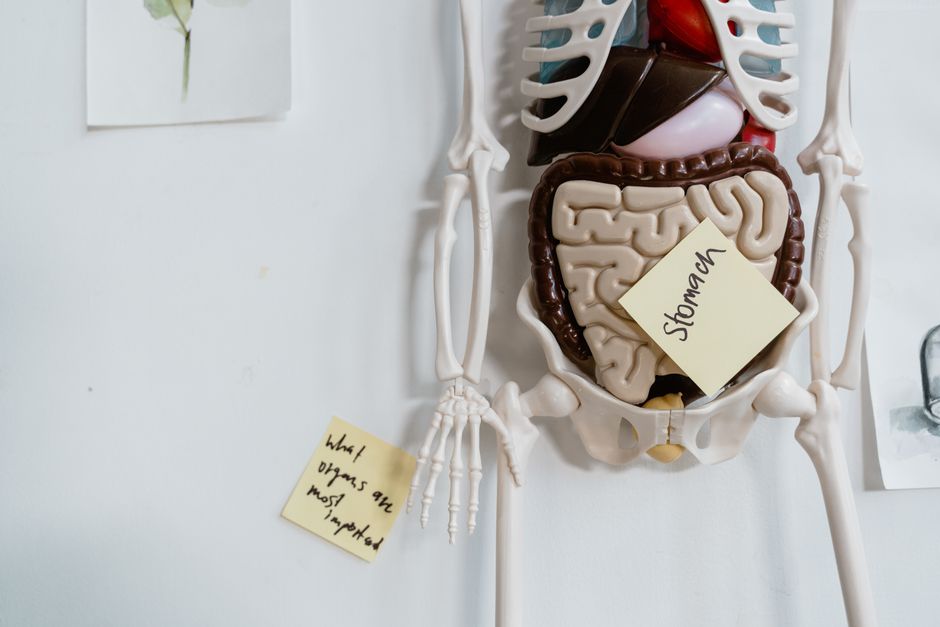
Stomach bug poop is typically loose, watery, and urgent. It often has a strong, unpleasant odor and may appear pale, greenish, or yellowish in color. This happens because your intestines are inflamed and cannot absorb water properly, so food and fluid pass through too quickly.
What Does Stomach Bug Poop Look Like?
Acute gastroenteritis — the medical name for a stomach bug — changes your stool in predictable ways. The hallmark is diarrhea: stool that is loose, mushy, or completely liquid. You may also need to use the bathroom suddenly and more often than usual.
Color can vary. Greenish stool is common because bile, which is green, does not have time to break down when transit is fast. Yellow or pale stool can appear when digestion is rushed and fats are not fully absorbed. Some people see mucus in their stool, which is a sign of intestinal inflammation, not necessarily a serious problem.
Blood in the stool is different. A few streaks of bright red blood can happen with severe straining or irritation. But if you see dark, tarry stool or significant blood, that warrants prompt medical attention.
Why Does a Stomach Bug Change Your Poop?
Viruses like norovirus and rotavirus infect the lining of your small intestine. They damage the cells that absorb water and nutrients. Your intestine responds by secreting extra fluid into the bowel. The result is watery stool that your body cannot hold back.
This mechanism explains why stomach bug diarrhea is so watery compared to other types of diarrhea. The infection does not just speed things up. It actively pushes fluid into your gut, which is why dehydration is the main risk.
Your gut motility also increases. Muscles in the intestinal wall contract more forcefully to flush out the virus. That is why cramping often accompanies the diarrhea. The cramps are your intestines working hard to expel what they recognize as a threat.
How Is Stomach Bug Poop Different From Other Diarrhea?
Not all diarrhea looks the same. Food poisoning can produce similar watery stool, but it often comes with more vomiting and a shorter duration. Antibiotic-associated diarrhea tends to be milder and may have a different smell because the medication disrupts normal gut bacteria.
Irritable bowel syndrome (IBS) diarrhea is typically less explosive and more tied to stress or specific foods. Stomach bug diarrhea hits suddenly, often with nausea, vomiting, and sometimes fever. The combination of symptoms helps distinguish it.
Norovirus, the most common stomach bug in adults, typically causes symptoms for 1 to 3 days. Rotavirus, more common in children, can last longer. If diarrhea persists beyond a few days, the cause may not be a typical stomach bug.


When Should You Be Concerned About Stomach Bug Poop?
Most stomach bug diarrhea resolves on its own within 48 to 72 hours. The concern is not the stool itself but what it does to your body. Watery stool drains fluids and electrolytes rapidly, especially in young children, older adults, and people with chronic conditions.
Signs of dehydration include dark urine, decreased urination, dry mouth, dizziness when standing, and extreme thirst. In infants and young children, look for fewer wet diapers, no tears when crying, and a sunken soft spot on the head. These warrant medical evaluation.
Seek medical care if you see blood in your stool, if diarrhea lasts more than 3 days, if you have severe abdominal pain, or if you cannot keep any fluids down for more than 24 hours. A fever above 102°F with diarrhea also deserves a call to your doctor.
If you recently traveled internationally, took antibiotics, or have a weakened immune system, mention that to your clinician. These factors change the list of possible causes.
How Is Stomach Bug Diarrhea Treated?
Fluid replacement is the foundation of treatment. Oral rehydration solutions — available at most pharmacies — contain the right balance of water, salt, and sugar that your gut can absorb even when it is inflamed. Sports drinks are not equivalent because their sugar content can worsen diarrhea.
Sip fluids frequently rather than drinking large amounts at once. Large volumes can trigger your gut to push everything through faster. Small, frequent sips give your intestine time to absorb what it can.
Anti-diarrheal medications like loperamide (Imodium) can reduce the frequency of stools. However, some clinicians advise against them when there is blood in the stool or a high fever, because the infection may need to run its course. Ask your doctor before using them if you have any concerning symptoms.
Antibiotics do not work for viral stomach bugs. They are reserved for bacterial infections confirmed by testing. Taking antibiotics unnecessarily can disrupt your gut microbiome and prolong symptoms.
What Can You Eat When Recovering From a Stomach Bug?
The old BRAT diet — bananas, rice, applesauce, toast — remains reasonable guidance, though evidence for it is limited. These bland, low-fiber foods are easy to digest and less likely to irritate an inflamed gut. What matters more is eating small amounts and letting your appetite guide you.
Yogurt with live cultures may help restore gut bacteria after the infection, though research on this is mixed. Some studies suggest probiotics can shorten diarrhea duration by about a day, but results vary by strain and individual. The evidence is not strong enough to recommend a specific probiotic product.
Avoid dairy, fatty foods, spicy foods, and caffeine for a few days. These can stimulate the gut and worsen diarrhea. Alcohol should also be avoided while recovering, as it dehydrates and irritates the digestive tract.
You do not need to starve yourself. Eating small, regular meals helps your intestine recover. If food triggers cramping or diarrhea, back off and try again in a few hours.
How Do You Prevent Spreading a Stomach Bug?
Stomach bugs are highly contagious. Norovirus, the leading cause, spreads through tiny particles of vomit or stool. You can catch it from contaminated food, water, surfaces, or direct contact with an infected person.
Handwashing with soap and water is the single most effective prevention. Alcohol-based hand sanitizers do not reliably kill norovirus. Wash for at least 20 seconds, especially after using the bathroom and before preparing food.
Clean contaminated surfaces with a bleach-based disinfectant. Standard household cleaners may not inactivate norovirus. Wash laundry that may be contaminated with stool or vomit on the hottest setting.
Stay home for at least 48 hours after symptoms stop. You remain contagious even after you feel better. This is especially important if you work in food service, healthcare, or childcare.
Frequently Asked Questions
How long does stomach bug diarrhea last?
Most viral stomach bug diarrhea resolves within 1 to 3 days. If it lasts longer than 3 days, contact your doctor.
Is green poop a sign of a stomach bug?
Green stool is common with stomach bugs because bile passes through too quickly to break down. It is usually not a cause for concern by itself.
Can you have a stomach bug without diarrhea?
Yes, some stomach bugs cause only vomiting, nausea, or abdominal cramps. Diarrhea is common but not universal.
Should you take Imodium for a stomach bug?
Loperamide can reduce diarrhea frequency, but check with a doctor first if you have blood in your stool or a high fever. For most mild viral cases, letting the infection run its course while staying hydrated is appropriate.
