

Bloating and stomach pain often happen together. The cause is usually trapped gas, overeating, or a digestive condition like irritable bowel syndrome. The pain comes from the intestines stretching as gas or stool builds up. Most cases are temporary and harmless. But persistent or severe pain needs medical attention.
What causes stomach to bloat and hurt?
Gas is the most common reason. You swallow air when you eat or drink quickly. Bacteria in your large intestine also produce gas when they break down undigested food. If that gas cannot pass, it builds up and stretches the intestinal walls. Stretch receptors in the wall send pain signals to your brain.
Other frequent causes include constipation, overeating, and carbonated drinks. High‑fat meals slow stomach emptying, which can also trap gas. For many people, the trigger is a specific food that their body does not digest well.
How does gas cause bloating and pain?
Gas expands inside the intestines like a balloon. The intestine wall has nerve endings that detect stretch. When the wall stretches too much, you feel a dull ache or sharp cramp. The location of the pain depends on where the gas is trapped. Gas on the left side of the colon may feel like heart pain. Gas on the right side can mimic appendicitis.
Some people produce more gas than others. Swallowing air while chewing gum, drinking through a straw, or eating too fast adds to the total. Certain foods – beans, broccoli, cabbage, onions – contain complex sugars that bacteria love to ferment. The fermentation releases hydrogen, methane, or carbon dioxide gas.
What role do food intolerances play?
If your body cannot digest a certain sugar or protein, that food moves through the gut partially broken down. In the large intestine, bacteria feast on it and produce extra gas. This can cause both bloating and pain.
Lactose intolerance is a classic example. About 65 percent of adults worldwide have reduced lactase enzyme activity. Drinking milk or eating ice cream leads to bloating, cramping, and diarrhea within hours. Fructose malabsorption is another common culprit. High‑fructose corn syrup, honey, and some fruits can trigger symptoms.
Some people react to wheat or gluten even without celiac disease – a condition called non‑celiac gluten sensitivity. The symptoms overlap with IBS. Low‑FODMAP diets, which remove certain fermentable carbohydrates, help many people identify their personal triggers.

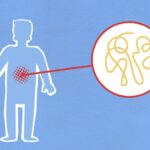



Could it be irritable bowel syndrome (IBS)?
IBS is a chronic condition that affects the large intestine. Its hallmark is recurrent abdominal pain linked to changes in bowel habits – diarrhea, constipation, or both. Bloating is extremely common in IBS, affecting about 80 percent of people with the condition.
In IBS, the gut is extra sensitive. Normal amounts of gas that would not bother most people cause pain in someone with IBS. This is called visceral hypersensitivity. The gut also may move too slowly or too quickly, trapping gas or rushing food through before it digests properly.
IBS is diagnosed based on symptoms. There is no single test. Doctors use the Rome IV criteria: pain at least once per week for three months, related to bowel movements or changes in stool frequency or appearance. If your bloating and pain follow this pattern, speak with your doctor.
When is bloating and pain a sign of something serious?
Most bloating is harmless. But certain red flags call for prompt medical evaluation.
- Severe or worsening pain that does not go away
- Unintentional weight loss
- Blood in your stool
- Fever with abdominal pain
- Vomiting, especially if you cannot keep fluids down
- Bloating that keeps getting worse over days or weeks
Conditions like small intestinal bacterial overgrowth (SIBO) can cause persistent bloating and pain. In SIBO, too many bacteria grow in the small intestine where they do not belong. They ferment food early, producing gas before nutrients are absorbed.
Gastroparesis – delayed stomach emptying – can cause bloating, nausea, and pain after small meals. Diabetes is a common cause, but some cases have no clear trigger.
Ovarian cancer is less common but deserves attention. Persistent bloating, feeling full quickly, and abdominal or pelvic pain that is new and frequent should be evaluated by a gynecologist. The American Cancer Society notes that these symptoms are often subtle and dismissed.
Never ignore a pattern that feels wrong to you. If your symptoms are new, persistent, or severe, see a doctor.
How to relieve bloating and abdominal pain
For occasional bloating, simple steps often help:
- Walk for 10–15 minutes. Movement stimulates bowel contractions that can help pass gas.
- Drink water slowly. Sipping warm water or peppermint tea may relax the gut.
- Try a heating pad on your abdomen. Heat can relax cramping muscles.
- Over‑the‑counter simethicone products (Gas‑X, Phazyme) break gas bubbles. Some people find relief, though research evidence is mixed.
- Peppermint oil capsules, when taken under medical guidance, may reduce IBS pain. Do not use if you have GERD or a hiatal hernia.
For constipation‑related bloating, increasing fiber slowly and staying hydrated can help. Soluble fiber (psyllium) may be better than insoluble fiber for some people.
Probiotics are often marketed for bloating, but the evidence is inconsistent. Some strains like Bifidobacterium lactis or Lactobacillus plantarum show benefit in some studies, while others do not. No single probiotic works for everyone. If you try one, look for products that list specific strains and follow directions.
If bloating and pain happen often, keep a food and symptom diary. Note what you ate, when the pain started, and when you had a bowel movement. This can help you and your doctor identify patterns.
Frequently Asked Questions
Frequently Asked Questions
Why does my stomach feel hard and bloated?
A hard, bloated stomach usually means there is trapped gas or stool stretching the intestine wall. In severe cases, fluid buildup (ascites) can cause hardness, but that is less common and needs medical attention.
Can stress cause stomach bloating and pain?
Yes, stress can worsen bloating and pain, especially in people with IBS. The brain and gut are connected through nerves and hormones, and stress can alter gut movement and increase sensitivity to gas.
What helps bloating and pain fast?
Walking and gentle movement often help pass trapped gas quickly. A warm heating pad on the belly and avoiding carbonated drinks can also provide fast but temporary relief.
When should I worry about bloating?
Worry if bloating comes with severe pain, fever, blood in stool, vomiting, or unexplained weight loss. Also, see a doctor if bloating persists for more than a few weeks or gets progressively worse.
