
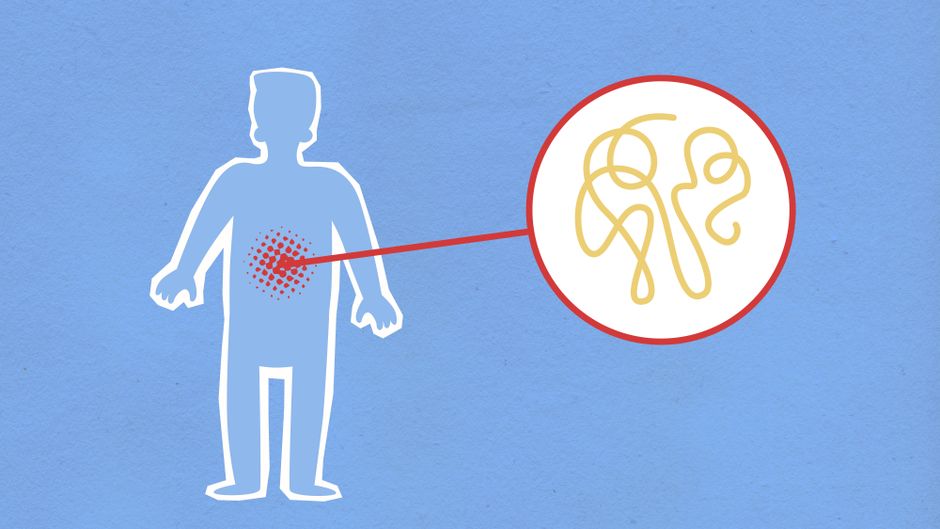
Throwing up stomach lining looks like stringy, clear or white mucus that may be streaked with bile or blood. It is not a solid sheet of tissue. What people call stomach lining is actually a thick layer of mucus that protects the stomach wall, and it can appear in vomit when you have an empty stomach or after repeated retching.
What Is the Stomach Lining and Why Does It Come Up?
The stomach lining is a layer of tissue that protects the stomach from its own digestive acids. On top of that tissue sits a thick coat of mucus. This mucus is what you see in vomit. It looks like slimy strands or clumps, often clear or white.
When you vomit on an empty stomach, there is no food to bring up. The stomach still contracts and pushes out whatever is inside. That includes gastric juices and mucus from the stomach wall. The mucus can come off in strands because it is thick and slippery.
Repeated retching can also pull up mucus from the esophagus and throat. This mucus mixes with stomach contents and can look like lining. It is not actual tissue from the stomach wall. True stomach tissue would be a medical emergency.
What Does Throwing Up Stomach Lining Look Like in Real Life?
People describe it in a few common ways. The most typical appearance is stringy, clear, or white mucus that looks like saliva but thicker. It can hang together in strands or form a jelly-like clump.
Sometimes the mucus is mixed with yellow or green fluid. That is bile, a digestive fluid produced by the liver and stored in the gallbladder. Bile appears in vomit when the stomach is empty and the body keeps retching.
In some cases, the mucus has red streaks or looks pink. This is blood, usually from tiny tears in the throat or esophagus caused by forceful vomiting. Small amounts of blood in mucus are common and often not dangerous. Large amounts of blood or material that looks like coffee grounds require immediate medical attention.
The key point is that actual stomach lining tissue does not come up in vomit. The stomach lining is firmly attached to the stomach wall. What comes up is the protective mucus layer, not the tissue itself.
What Causes Mucus in Vomit?
Several conditions can cause mucus to appear in vomit. The most common is vomiting on an empty stomach. This often happens in the morning, after a long period without food, or during illnesses that cause repeated vomiting.
Gastroenteritis, often called the stomach flu, is a common cause. This infection inflames the stomach and intestines, triggering vomiting. The inflammation increases mucus production, so more mucus comes up with vomit.
Acid reflux can also cause mucus in vomit. Stomach acid irritates the esophagus, and the body produces extra mucus to protect it. When you vomit, that excess mucus comes up.
Pregnancy-related nausea, motion sickness, and migraines can all cause vomiting on an empty stomach. In each case, the vomit may contain mucus because there is no food to bring up.
Rarely, excessive mucus in vomit can be a sign of a more serious condition. A blockage in the stomach or intestines can cause vomiting of mucus and bile. So can certain digestive disorders. If mucus in vomit is a new or persistent symptom, a doctor should evaluate it.





When Should You Worry About What You See in Vomit?
Most vomiting is not an emergency. It passes on its own within a day or two. But certain signs require medical attention.
Blood in vomit is the most important signal. Small red streaks from throat irritation are usually not dangerous. But vomiting large amounts of blood, or material that looks like coffee grounds, is a medical emergency. Coffee-ground vomit is blood that has been partially digested by stomach acid. It can indicate bleeding in the stomach or upper intestine.
Dark green vomit in adults can be a sign of a bowel blockage. This is especially concerning in children. If vomit is green and the person cannot keep fluids down, seek medical care.
Other warning signs include:
- Vomiting that lasts more than 48 hours
- Signs of dehydration, such as dark urine, dizziness, or extreme thirst
- Severe abdominal pain
- Fever above 101°F
- Inability to keep down any fluids for more than 12 hours
These symptoms do not mean the stomach lining is coming up. They mean the underlying cause of vomiting needs medical evaluation.
Can Vomiting Damage the Stomach Lining?
Frequent vomiting can irritate the stomach lining, but it rarely causes permanent damage. The stomach is built to handle acid. Its mucus layer protects it from the acid it produces daily.
Chronic vomiting, however, can cause problems. It can inflame the stomach lining, a condition called gastritis. Gastritis can cause pain, nausea, and sometimes bleeding. It is treatable but should be evaluated by a doctor.
Repeated forceful vomiting can also damage the esophagus. Tears in the esophageal lining, called Mallory-Weiss tears, can bleed. Most heal on their own, but some require medical treatment.
In rare cases, forceful vomiting can rupture the esophagus. This is a life-threatening emergency. Symptoms include severe chest pain, difficulty breathing, and vomiting blood. This is extremely rare and usually follows violent, prolonged retching.
How to Settle the Stomach and Prevent Further Vomiting
If you are vomiting mucus and nothing else, the priority is to stop the cycle. Once vomiting starts, it can continue even after the stomach is empty. The retching reflex keeps firing.
Small sips of clear fluids can help. Water, oral rehydration solutions, and clear broths are good options. Wait at least 30 minutes after the last episode before drinking. Start with small sips and increase gradually.
Sucking on ice chips can also help. It provides fluid without triggering the gag reflex. Ginger tea or ginger candies may help settle the stomach, though evidence for ginger is mixed.
Avoid solid food until vomiting has stopped for several hours. When you do eat, start with bland foods like crackers, toast, rice, or bananas. These are easy on the stomach and unlikely to trigger more vomiting.
Rest is important. Lying down can help reduce nausea, but keep your head elevated. This reduces the chance of acid reflux, which can trigger more retching.
Over-the-counter anti-nausea medications exist, but they are not right for everyone. Pregnant women, children, and people with certain medical conditions should not take them without a doctor’s approval.
What Does Throwing Up Stomach Lining Look Like Compared to Other Substances?
It helps to know what you are looking at. Vomit can contain many things, and they look different from each other.
Mucus from the stomach lining is clear, white, or slightly yellow. It is stringy and thick, like raw egg white. It may form clumps or long strands.
Bile is yellow or green and liquid. It is thinner than mucus and often floats on top of other stomach contents. Bile appears when the stomach is empty.
Blood can look different depending on where it comes from. Fresh blood is bright red. Blood from the stomach is darker and may look like coffee grounds.
Food is recognizable. It appears partially digested and may look like the original food or a mushy version of it.
Frothy white foam is usually saliva and mucus mixed with air. It is common in dry heaving, when the stomach is empty but the body is still trying to vomit.
If you are unsure what you are seeing, it is reasonable to call a doctor. A quick description over the phone can help determine whether you need to be seen.
Why the Myth of Vomiting Stomach Lining Persists
The idea of throwing up stomach lining is frightening. It sounds serious, and the appearance of stringy mucus can be alarming. But the fear is based on a misunderstanding.
People see stringy material and assume it is tissue. It is not. It is mucus, which the stomach produces constantly. The stomach produces about 2 liters of mucus and secretions every day. Most of it is reabsorbed or passes through the digestive tract without notice.
When you vomit on an empty stomach, that mucus becomes visible. It looks like something foreign, but it is a normal part of the digestive system. The stomach lining itself remains intact.
Understanding this can reduce anxiety during an unpleasant experience. Knowing what you are seeing, and what it is not, helps you make better decisions about when to seek care.
When to See a Doctor
Most cases of vomiting mucus do not require medical care. The vomiting stops within a day, and fluids can be kept down. But some situations warrant a call to your doctor.
See a doctor if vomiting continues for more than two days. Also seek care if you cannot keep down fluids for more than 12 hours, or if you show signs of dehydration. Dark urine, dizziness when standing, and a dry mouth are all signs of dehydration.
Seek immediate care if you vomit blood, have severe abdominal pain, or vomit dark green material. These can be signs of a more serious condition.
If you have a chronic condition that affects your stomach, such as gastritis or an ulcer, talk to your doctor about what vomiting means for you. They can give you specific guidance based on your health history.
Frequently Asked Questions
Can you actually throw up your stomach lining?
No. The stomach lining is firmly attached to the stomach wall and cannot come up in vomit. What comes up is the protective mucus layer that coats the lining.
What does stomach mucus in vomit look like?
It looks like stringy, clear, or white mucus, similar to thick saliva or raw egg white. It may be streaked with yellow bile or small amounts of blood.
Is throwing up mucus on an empty stomach normal?
Yes. When the stomach is empty, vomiting brings up mucus and gastric juices instead of food. This is common in morning sickness, hangovers, and stomach viruses.
When should I worry about what I see in my vomit?
Seek medical care if you vomit large amounts of blood, material that looks like coffee grounds, or dark green fluid. These can indicate bleeding or a blockage.
