

When your doctor takes your blood pressure, they read two numbers. The top number is your systolic pressure, and the bottom number is your diastolic pressure. A high bottom number means your diastolic pressure stays elevated, which indicates your arteries are under constant pressure even when your heart rests between beats. This matters because a consistently high diastolic reading is a serious warning sign that your cardiovascular system is working too hard, and it can increase your risk of heart attack, stroke, and kidney damage over time.
What Exactly Does the Bottom Number Measure?
Your heart works in two phases. When it beats, it squeezes blood out to your body. That force is the systolic pressure, the top number. Between beats, your heart relaxes and refills with blood. The pressure that remains in your arteries during this rest phase is the diastolic pressure, the bottom number.
Think of your arteries like a garden hose. Systolic pressure is the burst of water when you squeeze the nozzle. Diastolic pressure is the steady tension in the hose when you are not squeezing it. If that resting tension stays high, the hose is always under strain. The same is true for your blood vessels.
A normal diastolic reading is below 80 mmHg. Doctors diagnose high blood pressure when your diastolic number consistently reads 80 mmHg or higher. Readings of 90 mmHg or above are considered stage 2 hypertension and require prompt medical attention.
What Makes Your Bottom Blood Pressure Number High?
Several distinct factors can drive your diastolic pressure upward. Unlike systolic pressure, which often rises with age as arteries stiffen, an isolated high diastolic reading is more common in younger adults, typically those under 50. This pattern is sometimes called isolated diastolic hypertension.
The most direct cause is increased resistance in your small arteries. When these tiny blood vessels narrow, your heart must work harder to push blood through them, even during the resting phase. This resistance can come from several sources, including high salt intake, obesity, and chronic stress. When you eat excess sodium, your body retains water, which increases blood volume and puts more pressure on vessel walls.
Hormonal factors also play a role. Your body produces hormones that regulate blood vessel diameter. When these systems malfunction, vessels can stay constricted. Conditions like thyroid disorders, adrenal gland tumors, and sleep apnea can all trigger this response. Sleep apnea is particularly relevant because interrupted breathing during sleep causes oxygen drops that spike blood pressure repeatedly through the night.
Certain medications can raise diastolic pressure too. These include some over-the-counter decongestants, nonsteroidal anti-inflammatory drugs like ibuprofen, birth control pills, and some antidepressants. Even herbal supplements like licorice root can cause blood pressure to climb.
Is a High Bottom Number More Dangerous Than a High Top Number?
Both numbers matter, but they signal different problems. For decades, doctors paid more attention to systolic pressure because it rises with age and is a strong predictor of heart disease in older adults. However, research has shown that a high diastolic number is independently dangerous, especially in younger people.
Elevated diastolic pressure means your coronary arteries—the vessels that supply your heart muscle—are under pressure during the exact moment they receive their blood supply. Your heart muscle gets its oxygen during the diastolic phase. If that pressure is too high, your heart muscle may not receive adequate blood flow, which increases the risk of chest pain and heart attacks.
Studies have found that isolated diastolic hypertension in young and middle-aged adults is linked to a higher long-term risk of cardiovascular events. The danger is not immediate in most cases, but the cumulative damage over years can be substantial. If left untreated, isolated diastolic hypertension often progresses to combined systolic and diastolic hypertension, which carries even greater risk.
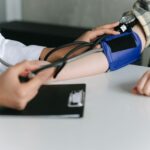



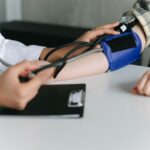
How Is High Diastolic Pressure Diagnosed?
One high reading does not mean you have hypertension. Blood pressure fluctuates naturally throughout the day. It rises during physical activity, stress, and even conversations. It falls during sleep and relaxation. For this reason, doctors require multiple elevated readings on separate occasions before making a diagnosis.
Your doctor may also recommend home blood pressure monitoring. A typical home monitoring plan involves taking readings twice daily for several days or weeks. You sit quietly for five minutes first, then take the measurement with your arm supported at heart level. These home readings often give a more accurate picture than office readings because they avoid what is called white coat hypertension—the temporary spike some people experience in medical settings.
In some cases, your doctor may order a 24-hour ambulatory blood pressure monitor. This device takes readings every 20 to 30 minutes throughout the day and night. It provides the most complete picture of your blood pressure patterns and can reveal whether your pressure stays high during sleep, which is a particularly concerning finding.
What Lifestyle Changes Help Lower Diastolic Pressure?
Lifestyle modification is the first line of treatment for mild elevations. The most impactful change is reducing sodium intake. Most Americans consume far more sodium than their bodies need, largely from processed and restaurant foods. The average diet contains roughly 3,400 mg of sodium daily, while guidelines recommend limiting intake to around 2,300 mg or less. Cutting back can lower blood pressure measurably within weeks.
Weight loss has a direct effect on diastolic pressure. Excess body weight increases blood volume and forces your heart to pump harder. Losing even a modest amount of weight can reduce pressure. For every kilogram of weight lost, blood pressure drops by approximately 1 mmHg. This effect is independent of other lifestyle changes.
Regular aerobic exercise strengthens your heart so it pumps more efficiently. This reduces the pressure on your artery walls during both phases of the heartbeat. The American Heart Association recommends at least 150 minutes of moderate-intensity aerobic activity per week. Brisk walking, cycling, and swimming all qualify.
Limiting alcohol is another effective measure. Alcohol can raise blood pressure even in moderate amounts. Men should limit intake to two drinks per day, and women to one. Some people are more sensitive to alcohol’s blood pressure effects than others, so reducing intake further may be necessary.
The DASH diet—Dietary Approaches to Stop Hypertension—has been extensively studied and consistently shown to lower blood pressure. This eating pattern emphasizes fruits, vegetables, whole grains, lean proteins, and low-fat dairy while limiting saturated fat, sugar, and sodium. Research published in the New England Journal of Medicine found that the DASH diet lowered blood pressure as effectively as some single-drug therapies.
When Is Medication Necessary?
Lifestyle changes are not always enough. If your diastolic pressure remains at 90 mmHg or higher despite your best efforts, your doctor will likely recommend medication. The decision to start medication also depends on your overall cardiovascular risk profile, including your age, cholesterol levels, smoking status, and family history.
Several classes of medications effectively lower diastolic pressure. ACE inhibitors, angiotensin receptor blockers, calcium channel blockers, and thiazide diuretics all have solid evidence behind them. Your doctor will choose based on your specific health profile, including any coexisting conditions like diabetes or kidney disease.
Some people resist taking blood pressure medication because they feel fine. This is a misunderstanding. High blood pressure rarely causes symptoms until it has already damaged organs. The absence of symptoms does not mean the absence of risk. Untreated hypertension silently damages your heart, brain, kidneys, and eyes over years.
Once you start medication, it is important to take it consistently and attend follow-up appointments. Many people need more than one medication to achieve target blood pressure. Adjustments are normal and expected. Finding the right combination may take several months.
Can High Diastolic Pressure Be Reversed?
In many cases, yes. The reversibility depends on the underlying cause and how long the elevation has existed. If your high diastolic pressure stems from lifestyle factors like excess weight, poor diet, or inactivity, addressing those factors can normalize your pressure. Some people successfully stop medication after achieving significant weight loss or adopting a healthy lifestyle.
If your high diastolic pressure results from a secondary cause like sleep apnea or a hormonal condition, treating that underlying condition often resolves the hypertension. For example, continuous positive airway pressure therapy for sleep apnea can improve blood pressure control. Surgical removal of an adrenal tumor can cure hypertension in some cases.
When hypertension has persisted for many years, the arteries may develop structural changes that are not fully reversible. In these cases, medication remains necessary even after lifestyle optimization. This does not mean you have failed. It means your blood vessels need ongoing pharmacological support to stay healthy.
What Happens If High Diastolic Pressure Goes Untreated?
Ignoring a high bottom number carries real consequences. Sustained elevated diastolic pressure forces your heart to work harder than it should. Over time, the heart muscle thickens and stiffens, a condition called left ventricular hypertrophy. This thickened muscle is less efficient and more prone to rhythm problems.
Your blood vessels also suffer. Constant pressure damages the delicate inner lining of arteries, creating sites where cholesterol plaques can form. These plaques narrow arteries and can rupture, causing heart attacks or strokes. The kidneys are especially vulnerable because they filter blood through millions of tiny vessels that are easily damaged by high pressure.
Cognitive decline is another risk. High blood pressure damages the small blood vessels in your brain, contributing to memory problems and increasing the risk of vascular dementia. This damage accumulates silently over decades, which is why early detection and treatment matter so much.
Frequently Asked Questions
What is a dangerous bottom number for blood pressure?
A diastolic reading of 90 mmHg or higher is considered stage 2 hypertension and requires immediate medical attention. Readings between 80 and 89 mmHg are elevated and should be discussed with your doctor.
Can stress cause a high diastolic blood pressure reading?
Yes, acute stress temporarily raises both systolic and diastolic pressure through the release of stress hormones. Chronic stress may contribute to sustained elevation, though its role is less clear than that of diet and weight.
Is isolated diastolic hypertension common in younger adults?
Yes, isolated diastolic hypertension is more frequently diagnosed in adults under 50. In older adults, systolic pressure tends to rise while diastolic pressure may stabilize or even decrease as arteries stiffen.
How quickly can lifestyle changes lower diastolic pressure?
Reducing sodium and increasing physical activity can produce measurable blood pressure reductions within two to four weeks. Weight loss effects become more pronounced over several months as pounds come off.
