

High blood pressure rarely comes from one food. It builds over years from eating patterns, and the biggest driver in the American diet is sodium. The eight food categories most tied to rising blood pressure are: deli and cured meats, canned soups and broths, restaurant and takeout meals, frozen and processed pizzas, salty snack foods, pickled and fermented foods, salty cheeses, and sugar-sweetened drinks. Each one delivers a heavy sodium load, added sugar, or both.
What matters is not a single slice of bacon. It is what your plate looks like most days of the week. Below is what the evidence actually shows about each category, why it affects blood pressure, and where the real uncertainty lies.
How Does Sodium Actually Raise Blood Pressure?
Sodium pulls water into your bloodstream. When you eat more salt than your body needs, the extra sodium stays in your blood and draws fluid with it. That extra fluid means more volume inside your blood vessels, and more volume means higher pressure against the vessel walls.
Your kidneys normally handle this by filtering out excess sodium and water. In people whose kidneys are less efficient at that job — which becomes more common with age — sodium and fluid accumulate. This is why blood pressure tends to creep up over decades rather than overnight.
There is a second effect that gets less attention. High sodium intake over time appears to stiffen the walls of arteries and make the lining of blood vessels less able to relax. That combination narrows the space blood flows through, which raises pressure further.
Most adults in the United States consume well over the recommended sodium limit. Federal dietary guidelines advise keeping sodium under 2,300 milligrams per day, and the American Heart Association suggests an ideal limit closer to 1,500 milligrams for most adults, especially those with existing high blood pressure. The gap between what people eat and what is recommended is where these eight food categories do their damage.
What Foods Cause High Blood Pressure 8 To Avoid?
These are the categories where sodium and added sugar concentrate most heavily in the typical American diet. You do not have to eliminate them. You do need to know what you are eating.
1. Deli Meats and Cured Meats
Turkey, ham, salami, bologna, bacon, hot dogs, and sausage are among the highest-sodium foods in the grocery store. Curing and preserving meat requires salt, and manufacturers add more for flavor and texture. A single deli sandwich can carry a large share of your daily sodium budget before you add chips or pickles.
Processed meats also contain nitrates and nitrites used as preservatives. These are not the primary blood pressure driver — sodium is — but processed meat intake is consistently linked with worse cardiovascular outcomes in large population studies.
2. Canned Soups and Broths
Canned soup is one of the most concentrated sources of sodium in the pantry. Broth-based soups can be especially high because salt is used both in the broth and in the individual ingredients. A single can of chicken noodle soup can approach or exceed a full day’s recommended sodium.
Lower-sodium versions exist and are worth seeking out. Keep in mind that “reduced sodium” only means the product has less than the original version — it does not mean it is low in sodium overall.
3. Restaurant and Takeout Meals
Food prepared outside the home is the single largest sodium source in the American diet. Restaurant kitchens use salt aggressively because it makes food taste better, and portion sizes are larger than what you would serve at home.
Chinese, Mexican, and fast-food meals tend to be the heaviest offenders, but the pattern holds across most cuisines. A restaurant entrée can easily contain more than 1,500 milligrams of sodium on its own. You cannot taste how much sodium is in a dish, which is why this category catches people off guard.
4. Frozen and Processed Pizzas
Pizza stacks sodium from every direction: salty cheese, cured meat toppings, and a sauce that is often heavily salted. A frozen pizza is typically designed as two or more servings, but many people eat the whole thing.
Frozen meals in general tend to be high in sodium because salt helps food survive freezing and reheating. Pizza is simply the most common example in most households.
5. Salty Snack Foods
Chips, pretzels, crackers, salted nuts, and similar snacks are engineered to be hard to stop eating. The salt is on the surface, so you taste it immediately, and the crunch encourages you to keep going.
These foods matter less for any single serving and more for the pattern. A handful here and a bag there adds up across a week without ever feeling like a large amount.
6. Pickled and Fermented Foods
Pickles, sauerkraut, kimchi, olives, and pickled vegetables are preserved in brine, which is essentially salt water. The sodium content is high by design.
These foods do have genuine nutritional value — fermented foods contain beneficial bacteria and pickled vegetables retain some vitamins. The issue is quantity. A few slices of pickle on a sandwich is very different from eating a bowl of them as a side dish.
7. Salty Cheeses
Cheese is made with salt, and some varieties carry far more than others. Feta, blue cheese, parmesan, and processed cheese products tend to be the saltiest. Cottage cheese and many sliced cheeses are also high.
Cheese does provide calcium and protein, which matters. The practical move is portion awareness rather than elimination. A small amount of sharp cheese goes further in flavor than a large amount of mild cheese.
8. Sugar-Sweetened Drinks
This category works differently from the others. Sugary sodas, sweetened teas, energy drinks, and fruit drinks do not contain much sodium. Their effect on blood pressure comes through added sugar and the metabolic changes that follow.
High intake of added sugar is linked with weight gain, insulin resistance, and inflammation — all of which raise blood pressure over time. Some research also suggests that fructose specifically, when consumed in large amounts from sweetened drinks, can raise uric acid levels, which is associated with higher blood pressure. The evidence here is not as settled as the sodium story, but the direction is consistent across multiple studies.
Is It Really the Salt, or Something Else in These Foods?
Sodium is the dominant factor, but it is not the only one. These eight categories share several features beyond salt.
- They tend to be highly processed, and processed food intake is linked with higher blood pressure independent of sodium.
- They often replace foods that lower blood pressure, like fresh vegetables, fruit, and potassium-rich foods.
- Many are high in added sugar or refined carbohydrates, which affect blood pressure through weight and metabolic pathways.
- They are calorie-dense and easy to overeat, and excess body weight is one of the strongest risk factors for high blood pressure.
Potassium deserves a mention. It helps your body excrete sodium and relax blood vessel walls. Diets high in processed food are usually low in potassium because the processing strips it out. So these foods hit blood pressure from both sides — more sodium in, less potassium to balance it.




What About the DASH Diet and Other Eating Patterns?
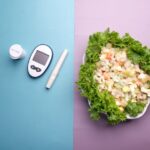
The DASH eating pattern — Dietary Approaches to Stop Hypertension — is the most studied dietary approach for lowering blood pressure. It emphasizes vegetables, fruits, whole grains, lean protein, and low-fat dairy, while limiting sodium, red meat, sweets, and added sugars.
Clinical trials have found that DASH lowers blood pressure, and the effect is larger when sodium is also reduced. This is one of the better-established findings in nutrition research.
The Mediterranean pattern has also been associated with lower blood pressure in observational studies, though the evidence is somewhat less direct than for DASH. Both patterns share the same core feature: they crowd out the eight categories above by filling the plate with something else.
Do You Have to Cut These Foods Out Completely?
No. The evidence supports reducing frequency and portion size, not perfection. Blood pressure responds to patterns over months and years, not to one meal.
Practical steps that align with the evidence:
- Compare sodium labels and choose the lower option when two products are otherwise similar.
- Rinse canned beans and vegetables to remove some surface sodium.
- Cook more meals at home, where you control the salt.
- Use herbs, citrus, and vinegar to add flavor instead of relying on salt.
- Ask for sauces and dressings on the side when eating out.
- Replace sugary drinks with water, sparkling water, or unsweetened tea.
One honest caveat: salt sensitivity varies between people. Some individuals see blood pressure rise sharply with sodium, while others respond much less. There is no simple test your doctor can run to tell you which group you are in, so the general recommendation applies to everyone until proven otherwise.
When Should You Talk to a Doctor?
Diet is one lever for blood pressure, not the only one. Genetics, age, kidney function, sleep, stress, alcohol, and certain medications all play a role. If your blood pressure is consistently at or above 130/80 mmHg, that meets the threshold for a diagnosis of high blood pressure under current American College of Cardiology and American Heart Association guidelines, and it warrants a conversation with a clinician.
Do not stop or change any blood pressure medication on your own based on dietary changes. Some people are able to reduce medication over time with a doctor’s guidance, but that decision requires monitoring and should never be made alone.
Frequently Asked Questions
What is the single worst food for high blood pressure?
There is no single worst food, but deli and cured meats tend to deliver the most sodium per serving of any common grocery item. Restaurant meals as a category contribute more total sodium because of how often people eat them.
Can I still eat pizza if I have high blood pressure?
Yes, but portion and frequency matter more than the food itself. A slice or two occasionally is very different from eating most of a frozen pizza several times a week.
Does sugar really raise blood pressure, or is it only salt?
Sodium is the stronger and better-established driver. Added sugar appears to raise blood pressure indirectly through weight gain, insulin resistance, and inflammation, and the evidence for that pathway is consistent but less direct than for sodium.
How long does it take to lower blood pressure by changing your diet?
Some people see changes within a few weeks of reducing sodium, and DASH-style eating has shown measurable effects within that timeframe in clinical trials. Full effects on cardiovascular risk take much longer and depend on many factors beyond diet.
