
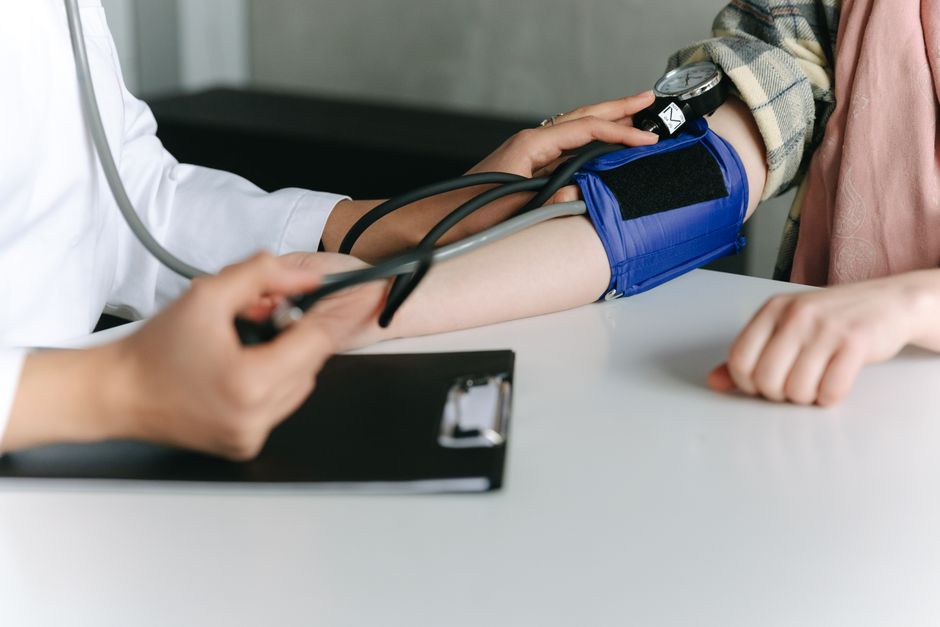
High blood pressure is often called the silent killer for a reason. It usually causes no symptoms while quietly damaging blood vessels and organs over many years. Left untreated, it raises the risk of heart attack, stroke, kidney failure, vision loss, and other serious conditions. The damage tends to build slowly, which is why regular blood pressure checks matter even when you feel completely fine.
What Does High Blood Pressure Do to Your Body?
Blood pressure is the force your blood puts against the walls of your arteries as it moves through your body. When that force stays too high, it gradually injures the artery walls. This injury sets off a chain of changes that affect nearly every organ system.
Healthy arteries are flexible. They stretch and recoil with each heartbeat, helping blood flow smoothly. High blood pressure changes that. The constant extra force makes artery walls stiffer and thicker over time. Stiffer arteries cannot widen when the body needs more blood, so the heart has to work harder.
The damage is not limited to one spot. Because arteries supply every organ, high blood pressure can affect the brain, heart, kidneys, eyes, and legs. That is why doctors treat it as a whole-body condition rather than a single-organ problem.
One detail many people miss: high blood pressure rarely announces itself. A person can have dangerously high readings for years and feel normal. Symptoms like headaches or nosebleeds are not reliable signs of high blood pressure. Most people find out through a routine check, not because they felt something was wrong.
How Does High Blood Pressure Damage the Heart?
The heart is a muscle, and like any muscle it grows when it works harder. When blood pressure stays high, the heart must push against more resistance with every beat. Over time, the muscle wall of the left ventricle thickens. This is called left ventricular hypertrophy.
A thicker heart wall sounds protective, but it is not. A stiff, thickened heart cannot relax and fill with blood as well between beats. It also needs more oxygen, yet the arteries feeding it may be narrowed by the same process. The result is a heart that works less efficiently.
High blood pressure also speeds up coronary artery disease. The arteries that supply the heart muscle can develop fatty buildup and narrow. When a coronary artery becomes blocked, blood flow to part of the heart stops. That is a heart attack.
Over years, the combination of a stiff heart and narrowed arteries can lead to heart failure. Heart failure does not mean the heart stops. It means the heart cannot pump enough blood to meet the body’s needs, which causes shortness of breath, fatigue, and fluid buildup.
What Does High Blood Pressure Do to the Brain?
The brain depends on a steady supply of blood. High blood pressure damages the small arteries deep inside the brain, making them weaker and more likely to block or burst.
When a blood vessel in the brain bursts or is blocked, part of the brain loses its blood supply. That is a stroke. High blood pressure is the most important risk factor for stroke that people can influence. Controlling it lowers stroke risk substantially.
Not all damage shows up as a major stroke. High blood pressure can also cause small, silent blockages that kill tiny areas of brain tissue over time. These are sometimes called silent strokes because the person may not notice them. Accumulated over years, they can contribute to memory problems and a form of cognitive decline.
Some research suggests that midlife high blood pressure is linked to a higher risk of dementia later in life, including vascular dementia. The evidence here continues to develop, but the connection between blood pressure and brain health is well established enough that doctors treat it seriously.



How Does High Blood Pressure Affect the Kidneys?
The kidneys filter blood through millions of tiny vessels. These vessels are delicate, and high pressure damages them. When the filtering units are injured, the kidneys become less able to remove waste and extra fluid from the body.
Damaged kidneys also struggle to regulate blood pressure, which creates a difficult cycle. High blood pressure harms the kidneys, and failing kidneys push blood pressure higher. This is one reason kidney disease and high blood pressure often appear together.
High blood pressure is a leading cause of chronic kidney disease in the United States. Because early kidney damage usually causes no symptoms, blood and urine tests are often the first sign something is wrong. Controlling blood pressure is one of the most effective ways to protect kidney function.
What Does High Blood Pressure Do to the Eyes and Blood Vessels?
The eyes contain some of the smallest and most fragile blood vessels in the body. High blood pressure can damage them, a condition called hypertensive retinopathy. In its early stages it may cause no symptoms. Over time it can lead to vision changes.
In severe cases, high blood pressure can cause swelling in the optic nerve or bleeding in the retina. These changes can threaten vision. Regular eye exams can sometimes reveal blood vessel damage from high blood pressure before other signs appear.
Beyond the eyes, high blood pressure damages arteries throughout the body. In the legs, narrowed arteries can cause pain or cramping while walking, a condition called peripheral artery disease. In the largest artery, the aorta, long-standing high pressure can weaken the wall and lead to a bulge called an aneurysm. If an aneurysm tears or bursts, it can be life-threatening.
What Blood Pressure Numbers Mean
Blood pressure is written as two numbers. The top number is systolic pressure, the force when the heart beats. The bottom number is diastolic pressure, the force when the heart rests between beats. These categories are based on established clinical guidelines.
| Category | Systolic (mm Hg) | Diastolic (mm Hg) |
|---|---|---|
| Normal | Less than 120 | Less than 80 |
| Elevated | 120–129 | Less than 80 |
| Stage 1 hypertension | 130–139 | 80–89 |
| Stage 2 hypertension | 140 or higher | 90 or higher |
| Hypertensive crisis | Higher than 180 | Higher than 120 |
A single high reading does not mean you have high blood pressure. Blood pressure varies through the day and can rise from stress, caffeine, or even a rushed trip to the clinic. Doctors usually confirm a diagnosis with multiple readings over time.
If a reading is higher than 180 over 120 and you also have symptoms like chest pain, shortness of breath, or vision changes, that is a medical emergency. Seek care right away.
Can the Damage Be Prevented or Reversed?
Some damage from high blood pressure can be prevented, and some can be partly reversed. The key factor is how long the pressure has been high and how well it is controlled.
When blood pressure is brought into a healthy range, the risk of stroke and heart attack drops. Studies consistently show that lowering blood pressure reduces these risks. The heart muscle can also thin back toward normal in some people once the pressure is controlled. That said, not all damage reverses. Scarring in the kidneys and stiffening of large arteries may be permanent.
This is why catching high blood pressure early matters. Damage that has not yet become permanent is the kind most likely to improve with treatment.
Lifestyle steps that can help lower blood pressure include reducing sodium, eating more potassium-rich foods, staying physically active, limiting alcohol, not smoking, and maintaining a healthy weight. Some people also need medication. Which approach fits depends on how high the pressure is and other health factors, so this is a conversation to have with a clinician rather than something to manage alone.
One point worth stating plainly: there is no reliable way to feel whether your blood pressure is high. Checking it is the only way to know.
Frequently Asked Questions
What does high blood pressure do to your body over time?
It gradually damages artery walls and strains the heart, brain, kidneys, and eyes. Over years this raises the risk of heart attack, stroke, kidney disease, and vision loss.
Can you feel high blood pressure?
Usually no. Most people with high blood pressure feel completely normal, which is why it is called the silent killer. Headaches and nosebleeds are not reliable signs of it.
Can high blood pressure damage be reversed?
Some of it can. When blood pressure is controlled, heart muscle thickening may partly improve and risk of stroke and heart attack drops. Scarring in the kidneys and stiffening of large arteries is often permanent.
What blood pressure reading is considered a medical emergency?
A reading higher than 180 over 120 with symptoms like chest pain, shortness of breath, or vision changes is an emergency. Seek care immediately.
