
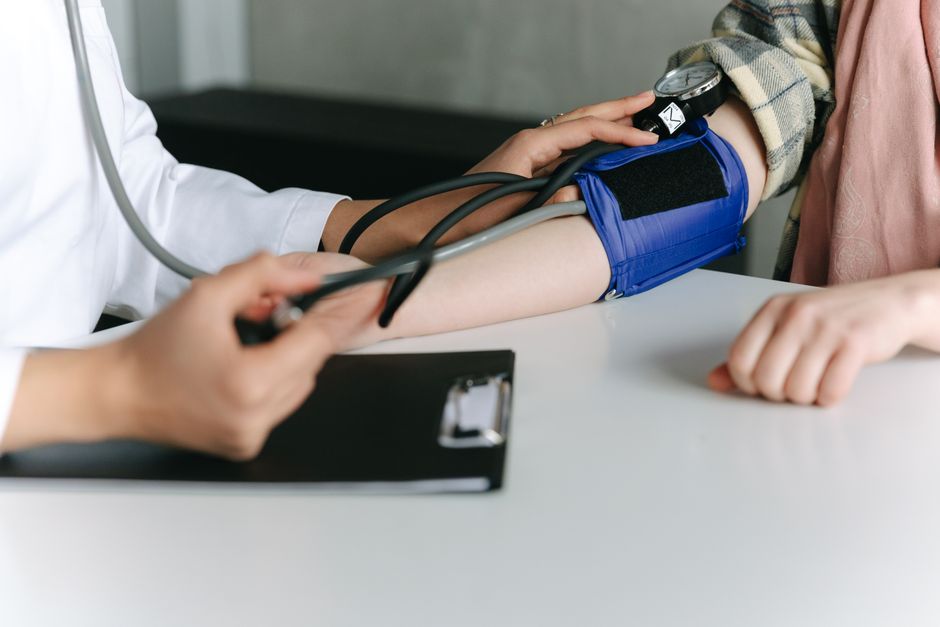
Blood pressure is the force of blood pushing against the walls of your arteries as your heart pumps. It becomes “high” — a condition called hypertension — when that force stays elevated over time, usually 130/80 mm Hg or higher on repeated readings. Salt, stress, and several other factors can all push those numbers up, but they do it in different ways and to different degrees.
Understanding what actually raises blood pressure matters because high blood pressure usually has no symptoms. You cannot feel it. That is why it is often called the “silent” condition — and why knowing the causes is the first real step toward managing it.
What Makes Blood Pressure High Salt Stress And More?
Blood pressure rises when the small arteries that carry blood throughout your body narrow, or when your body holds onto more fluid than it should. Both changes increase the pressure inside those vessels. Multiple factors can trigger these changes at the same time.
The most well-established contributors include:
- Sodium (salt) intake — excess sodium causes the body to retain water, which raises blood volume and pressure.
- Chronic stress — stress hormones can constrict blood vessels and raise heart rate, though the long-term effect is debated.
- Genetics and family history — hypertension tends to run in families.
- Age — arteries stiffen over time, which raises pressure.
- Weight — excess body weight increases the workload on the heart.
- Alcohol and tobacco — both raise blood pressure through separate mechanisms.
- Kidney disease, sleep apnea, and certain medications — these are common secondary causes.
No single factor tells the whole story. For most people, high blood pressure develops from a combination of genetics, age, and lifestyle over many years.
How Does Salt Raise Blood Pressure?
Sodium pulls water into your bloodstream. When you eat more salt than your body needs, your kidneys hold onto extra fluid to dilute the sodium. That extra fluid increases the total volume of blood in your vessels, and more volume means more pressure against the artery walls.
Over time, high sodium intake can also stiffen the arteries and make them less able to relax. Research published in the New England Journal of Medicine and elsewhere has consistently linked high sodium intake to elevated blood pressure across large populations.
Not everyone responds to salt the same way. Some people are “salt-sensitive” and see a noticeable jump in blood pressure after a salty meal. Others are less affected. Salt sensitivity is more common in people who are older, Black, or already have hypertension. The reasons are not fully understood, and there is no simple test to identify who is salt-sensitive.
The tricky part is that most sodium does not come from the salt shaker. It comes from processed foods, restaurant meals, canned soups, deli meats, and bread. That makes it easy to eat far more sodium than you realize.
Does Stress Really Cause High Blood Pressure?
Stress raises blood pressure in the moment. That part is not debated. When you are stressed, your body releases hormones like adrenaline and cortisol. These hormones speed up your heart and narrow your blood vessels, which makes your blood pressure climb temporarily.
What is less clear is whether stress alone causes long-term hypertension. The evidence is mixed. Some studies suggest that chronic stress contributes to sustained high blood pressure, especially when it leads to poor sleep, heavy drinking, overeating, or smoking. Other research has not found a strong direct link.
A reasonable way to think about it: stress may not be the primary cause, but it is often part of the picture. It can push you toward habits that raise blood pressure, and it can make existing hypertension harder to manage.
One non-obvious point — the stress of knowing your blood pressure is high can itself raise your reading in a doctor’s office. This is called white coat hypertension, and it is why some clinicians recommend home monitoring to get a clearer picture.


What Other Factors Raise Blood Pressure?
Salt and stress get most of the attention, but several other factors matter just as much or more.
Age and artery stiffness
As you get older, your arteries lose elasticity. They cannot widen and narrow as easily, so pressure rises. This is why hypertension becomes more common after age 45 and even more common after 65. It is a normal part of aging, but the rate varies widely from person to person.
Weight and body fat
Excess weight forces your heart to work harder and can trigger hormonal changes that raise blood pressure. Even modest weight loss — in the range of 5 to 10 pounds — can lower blood pressure in people who are overweight, according to established clinical guidance.
Alcohol
Drinking more than moderate amounts raises blood pressure. The relationship is dose-dependent: the more you drink, the higher the effect. Reducing alcohol intake can lower blood pressure within weeks.
Smoking and nicotine
Nicotine raises blood pressure temporarily with each use. Smoking also damages artery walls over time, which contributes to long-term hypertension and cardiovascular disease. The damage is cumulative.
Kidney disease and sleep apnea
Your kidneys regulate fluid balance and blood pressure. When kidney function declines, blood pressure often rises. Obstructive sleep apnea — where breathing repeatedly stops during sleep — is another well-documented cause of resistant hypertension. Treating sleep apnea can improve blood pressure control in some people.
Medications and other substances
Certain medications can raise blood pressure, including some decongestants, nonsteroidal anti-inflammatory drugs (NSAIDs), hormonal contraceptives, and some antidepressants. Caffeine causes a short-term spike. Licorice and some herbal supplements can also raise pressure.
Can You Lower Blood Pressure Without Medication?
For some people, yes. Lifestyle changes can lower blood pressure enough to delay or reduce the need for medication. For others, medication is necessary and lifestyle changes work alongside it.
Established approaches that have been shown to lower blood pressure include:
- Reducing sodium — cutting back on processed foods and added salt can lower blood pressure in many people.
- Eating more potassium — potassium helps the body flush excess sodium. Foods like bananas, beans, spinach, and potatoes are good sources. People with kidney disease should talk to a doctor before increasing potassium.
- Regular physical activity — aerobic exercise like walking, swimming, or cycling can lower blood pressure.
- Losing excess weight — even small amounts help.
- Limiting alcohol — reducing intake lowers blood pressure.
- Managing stress — relaxation techniques, adequate sleep, and addressing chronic stressors can help, though the evidence for stress reduction alone lowering blood pressure is not as strong as for diet and exercise.
These changes work best together, not in isolation. And they take time. Blood pressure usually does not drop overnight.
When Should You Be Concerned About Your Blood Pressure?
Blood pressure is measured in two numbers. The top number (systolic) is the pressure when your heart beats. The bottom number (diastolic) is the pressure between beats.
According to the American Heart Association and the American College of Cardiology, the categories are:
| Category | Systolic (mm Hg) | Diastolic (mm Hg) |
|---|---|---|
| Normal | Less than 120 | Less than 80 |
| Elevated | 120–129 | Less than 80 |
| Stage 1 hypertension | 130–139 | 80–89 |
| Stage 2 hypertension | 140 or higher | 90 or higher |
| Hypertensive crisis | Higher than 180 | Higher than 120 |
A single high reading does not mean you have hypertension. Diagnosis usually requires multiple elevated readings on separate occasions. Home monitoring or a 24-hour ambulatory monitor can give a more accurate picture than a single office visit.
If your reading is above 180/120 and you have symptoms like chest pain, shortness of breath, severe headache, or vision changes, seek emergency care immediately. If you have no symptoms, wait five minutes and test again. If it is still that high, contact a healthcare provider right away.
High blood pressure usually has no warning signs. That is why regular monitoring matters — you cannot rely on how you feel.
Frequently Asked Questions
Can stress alone cause high blood pressure?
Stress raises blood pressure temporarily, but the evidence that it causes lasting hypertension on its own is mixed. It more often contributes indirectly by driving poor sleep, drinking, and other habits that raise pressure.
How much salt is too much for blood pressure?
Major health organizations generally recommend limiting sodium to less than 2,300 milligrams per day, with an ideal target closer to 1,500 milligrams for people with hypertension. Most Americans consume far more than either amount.
Can you lower blood pressure without medication?
Some people can lower blood pressure through diet, exercise, weight loss, and reduced alcohol intake. Whether lifestyle changes are enough depends on how high your blood pressure is and your overall health.
Does high blood pressure always have symptoms?
No. High blood pressure usually causes no symptoms at all, even when it is dangerously high. That is why regular monitoring is the only reliable way to know your numbers.
