
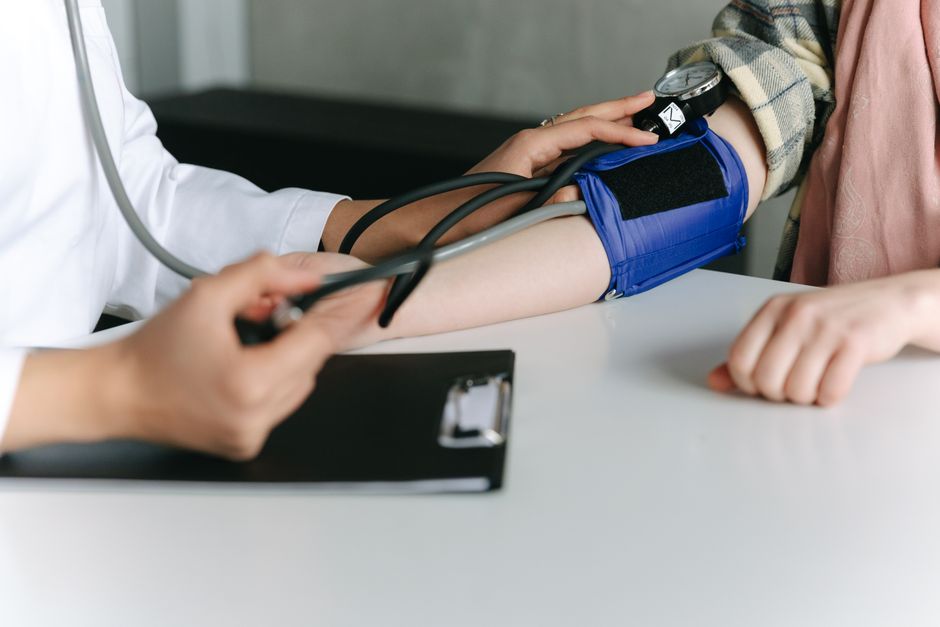
When blood pressure spikes, the fastest way to bring it down depends on how high it is and whether you have symptoms. A single slow breathing session, lying down in a quiet room, or a prescribed fast-acting medication can lower blood pressure within minutes to hours — but only medication works reliably when readings climb into a dangerous range like 180/120 mm Hg or higher.
For most people with a temporary rise, the drop comes from calming the nervous system, not from food or drink. Nothing you eat or sip lowers blood pressure in minutes. That is a myth worth clearing up right away.
What Lowers Blood Pressure Fast In Minutes Or Hours?
The fastest reliable non-drug method is slow, controlled breathing. Studies have found that breathing at about six breaths per minute for a few minutes can lower systolic pressure by a modest amount in the short term. The effect is real but small — usually a few points, not a dramatic drop.
Lying down quietly in a dark, cool room helps too. So does emptying your bladder if it is full, and drinking water if you are dehydrated. These steps address common triggers of temporary spikes rather than fixing long-term high blood pressure.
If your reading is 180/120 mm Hg or higher, do not try breathing exercises first. That range is a hypertensive crisis. Wait five minutes and check again. If it stays that high, seek emergency medical care. If you also have chest pain, shortness of breath, vision changes, weakness, or trouble speaking, call 911 immediately.
For readings that are elevated but not in crisis range, the honest answer is that no home remedy produces a fast, large drop. The methods below can help modestly. They are not a substitute for medication when medication is needed.
Does Slow Breathing Really Lower Blood Pressure Quickly?
Yes, but the effect is smaller than most people expect. Slow breathing activates the parasympathetic nervous system — the branch that calms the body. This can widen blood vessels and slow the heart slightly, which lowers pressure a little.
Research on device-guided breathing has shown short-term reductions in blood pressure, though results across studies vary. The effect tends to be modest and temporary. It does not replace long-term treatment.
To try it: sit comfortably, breathe in through your nose for about four seconds, and out slowly for about six seconds. Aim for roughly six breaths per minute. Do this for five to ten minutes. Some people feel calmer within a couple of minutes, but a measurable blood pressure change usually takes longer.
One clarification worth making: the popular claim that breathing exercises can replace blood pressure medication is not supported by evidence. They can be a helpful addition. They are not a substitute.
Can Drinking Water Or Eating Something Lower Blood Pressure Fast?
No food or drink lowers blood pressure within minutes. This is one of the most common myths in circulation. Beet juice, pomegranate juice, and celery juice have all been marketed as fast blood pressure fixers. None of them work in minutes or hours.
Some foods do have modest effects over weeks. Beetroot juice, for example, contains nitrates that the body converts to nitric oxide, which relaxes blood vessels. Studies show small reductions in blood pressure with regular intake over days to weeks — not minutes.
Water matters in one specific case. If you are dehydrated, drinking water can help restore blood volume and normalize pressure. But if you are not dehydrated, extra water does not lower blood pressure.
What about alcohol? A drink might feel relaxing, but alcohol actually raises blood pressure over time. It is not a fast fix.
When Is High Blood Pressure A Medical Emergency?
A reading of 180/120 mm Hg or higher is a hypertensive crisis and needs immediate attention. This is the one situation where speed genuinely matters and home remedies are not appropriate.
Wait five minutes, then check again. If the second reading is still 180/120 or higher, call your doctor right away or go to an emergency room. If you have any of these symptoms, call 911:
- Chest pain or pressure
- Shortness of breath
- Severe headache
- Blurred or changed vision
- Weakness or numbness on one side
- Difficulty speaking
- Confusion
These symptoms can signal organ damage from severely high pressure. This is not a situation for breathing exercises or waiting to see if it improves.
Emergency treatment usually involves intravenous medication to lower blood pressure gradually. Doctors deliberately avoid dropping it too fast, because a sudden large drop can reduce blood flow to the brain and heart. This is why emergency care matters — the speed and method are carefully controlled.
What Do Prescription Medications Do That Home Methods Cannot?
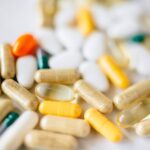
Prescription drugs can lower blood pressure within minutes to hours in a way that no home method can match. This is their key advantage. They act directly on the systems that control blood pressure.
Fast-acting options used in clinical settings include:
- Intravenous medications such as labetalol, nicardipine, or hydralazine — used in emergencies under medical supervision
- Oral clonidine — sometimes used for urgent but not emergency situations, and it takes effect within a few hours
- Captopril — an ACE inhibitor that can start working within 15 to 30 minutes when taken orally
These are not self-treatment options. They require a prescription and medical guidance. Taking someone else’s blood pressure medication or adjusting your own dose without instruction can cause a dangerous drop.
If you have a home blood pressure monitor and your reading is high but below crisis range, the right move is usually to take your prescribed medication as directed and call your doctor. Do not double up on doses on your own.
Why Doesn’t a Single High Reading Always Mean Trouble?
Blood pressure naturally rises and falls throughout the day. Stress, caffeine, a full bladder, cold temperatures, and even the act of having your pressure taken can push a reading up temporarily.
This is called white coat hypertension when it happens at a doctor’s office. It is common. A single high reading is not a diagnosis. What matters is the pattern over time.
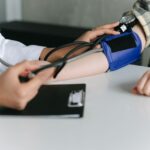
If you check at home, sit quietly for five minutes first. Keep your feet flat, your back supported, and your arm at heart level. Take two or three readings a minute apart and average them.
One reading of 145/90 after a stressful morning is not the same as consistently running high. The second is worth a conversation with your doctor. The first usually is not.
What Actually Lowers Blood Pressure Over Time?
The methods that lower blood pressure over weeks and months are well established. They work slowly but reliably, and they matter far more for long-term health than any quick fix.
- Reducing sodium — cutting back on salt can lower blood pressure over weeks
- Regular physical activity — aerobic exercise like brisk walking has a consistent effect
- Losing excess weight — even modest weight loss can help
- Limiting alcohol — heavy drinking raises blood pressure
- Eating a diet rich in fruits, vegetables, and whole grains — the DASH eating pattern is the best-studied example
- Managing stress — chronic stress contributes to higher readings
- Taking prescribed medication consistently — this is the most reliable step for many people
None of these work in minutes. They work over time. That is the honest trade-off — fast methods are small and temporary, while slow methods are larger and lasting.
If you are on medication, do not stop it because your pressure looks normal. Normal readings often mean the medication is working, not that you no longer need it.
Frequently Asked Questions
Can I lower my blood pressure in 10 minutes?
Slow breathing and lying quietly can produce a small drop within about 10 minutes, usually just a few points. No home method produces a large or lasting drop that fast.
What is the fastest way to lower blood pressure at home?
Sitting quietly and breathing slowly at around six breaths per minute is the fastest non-drug method. If your reading is 180/120 mm Hg or higher, seek emergency care instead of trying home remedies.
Does drinking water lower blood pressure quickly?
Only if you are dehydrated, in which case fluids can help restore normal pressure. If you are well hydrated, drinking extra water does not lower blood pressure.
Should I go to the ER if my blood pressure is 180/120?
Yes, if a second reading five minutes later is still 180/120 mm Hg or higher, seek emergency care. Call 911 right away if you also have chest pain, shortness of breath, vision changes, or weakness.
