
Hydralazine starts working within 30 to 60 minutes for most people when taken by mouth. For a hypertensive crisis, an injection works even faster, often lowering blood pressure within 5 to 15 minutes. The full effect usually shows up within two to four hours after your first dose. It is not a slow-acting drug — it is used specifically when doctors need blood pressure to come down quickly.
How Does Hydralazine Lower Blood Pressure?
Hydralazine is a vasodilator. That means it relaxes the muscles in your blood vessel walls. When those muscles relax, the vessels open wider. Wider vessels mean less resistance for blood to flow against. Lower resistance equals lower blood pressure.
It does not work on your heart directly. It does not slow your heart rate or change how hard your heart pumps. It works entirely on the arteries. The American Heart Association classifies it as a direct-acting vasodilator. That is different from drugs like beta-blockers or ACE inhibitors, which affect blood pressure through other pathways.
Because it works on blood vessel tone directly, the effect is fast. Your arteries do not need days to adapt. The moment the drug reaches your bloodstream, the relaxation begins. That is why doctors use it in urgent situations.
How Fast Does Hydralazine Work For Blood Pressure in Different Situations?
The speed depends on how you take it. Oral tablets take about 30 to 60 minutes to show measurable effect. Peak effect happens around two to four hours after swallowing the pill. This is the standard timing for people taking it as a daily medication.
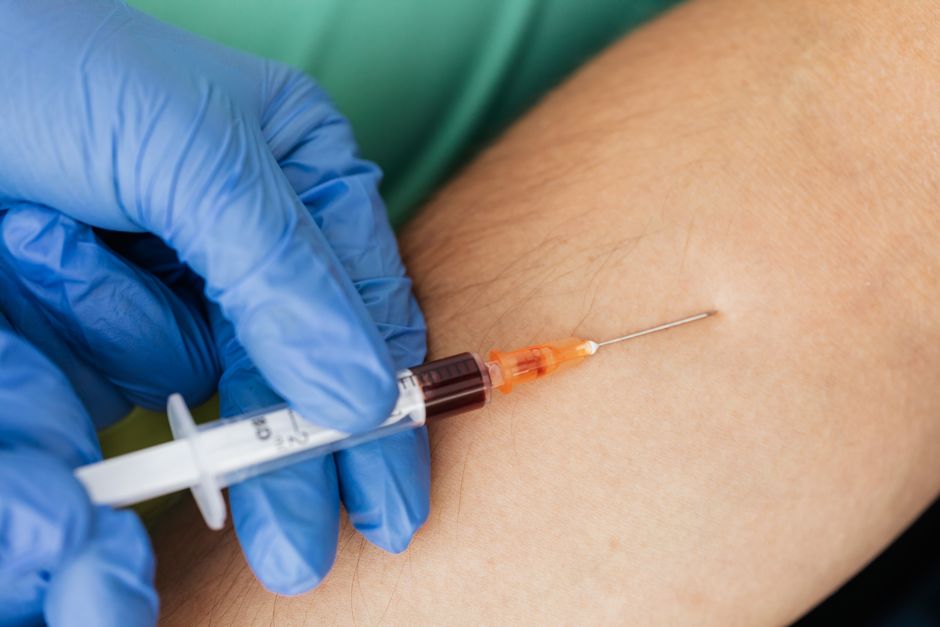
Intravenous hydralazine is faster. In hospital settings, especially for hypertensive emergencies, IV hydralazine can lower blood pressure within 5 to 15 minutes. The National Institutes of Health notes that IV hydralazine is one of the first-line options for managing severe hypertension in pregnancy, a condition called preeclampsia. In those cases, minutes matter.
Intramuscular injection falls somewhere in between. It works faster than oral but slower than IV. Onset is usually within 10 to 30 minutes. This route is less common now but still used in some emergency departments.
The duration of effect also varies. A single oral dose lasts about six to eight hours. That is why most people take it two to four times per day. IV effects wear off faster, typically within two to four hours.
What Does Research Show About Hydralazine Timing?
Research published in the journal Hypertension found that oral hydralazine reaches its maximum blood-pressure-lowering effect at about 3.5 hours after dosing. The study measured both systolic and diastolic pressure drops. The average reduction was around 15 to 20 mmHg systolic and 10 to 15 mmHg diastolic.
Another study in the American Journal of Obstetrics and Gynecology looked at IV hydralazine for preeclampsia. It found that blood pressure started dropping within 10 minutes in 85 percent of patients. Full control was achieved within 30 minutes in most cases.
These are real numbers from real studies. They are not estimates or marketing claims. The evidence is consistent: hydralazine is one of the fastest oral blood pressure medications available.
For comparison, most ACE inhibitors take one to two hours to start working. Beta-blockers can take several days to reach full effect. Calcium channel blockers vary widely. Hydralazine is faster than all of them in terms of onset.



What Affects How Quickly Hydralazine Works?
Your metabolism matters. Some people are “slow acetylators” — a genetic trait that affects how your liver processes hydralazine. Slow acetylators may feel the effects more intensely and for longer. Fast acetylators may need higher doses to get the same response.
Food can slow absorption. Taking hydralazine with a heavy meal may delay onset by 30 to 60 minutes. Taking it on an empty stomach generally leads to faster results. That said, some people need food to avoid stomach upset.
Other medications can interact. Beta-blockers and diuretics are often prescribed alongside hydralazine. These combinations can affect how quickly your blood pressure responds. Your doctor adjusts the timing based on your full medication list.
Kidney function also plays a role. Hydralazine is partially cleared by the kidneys. If your kidneys are not working well, the drug may stay in your system longer. That can extend both the effect and the side effects.
What Are the Side Effects and Risks of Fast-Acting Hydralazine?
Because it works fast, the side effects can also come on fast. The most common is a reflex increase in heart rate. When blood pressure drops quickly, your body sometimes responds by speeding up the heart. This is called reflex tachycardia. It can feel like a racing heart or palpitations.
Headaches are also common. Rapid vasodilation can cause a throbbing headache, especially with the first few doses. Some people also get flushing or a warm feeling in the face and neck.
Swelling in the ankles and feet can occur. This is not a sign of kidney failure. It is caused by fluid retention, which happens because the blood vessels are relaxed and fluid leaks into surrounding tissue. Doctors often prescribe a diuretic alongside hydralazine to manage this.
A rare but serious side effect is drug-induced lupus. This is not the same as systemic lupus. It causes joint pain, fever, and a rash. It usually goes away when you stop the drug. The risk is higher in people who take high doses for more than six months. The FDA includes this warning in the prescribing information.
Orthostatic hypotension — dizziness when standing up — can happen because blood pressure drops too quickly. This is more likely in older adults and people who are dehydrated.
| Side Effect | How Common | When It Happens |
|---|---|---|
| Headache | Common (up to 30%) | Within first few hours |
| Rapid heart rate | Common (up to 25%) | Within 30-60 minutes |
| Fluid retention | Moderate (10-15%) | After days to weeks |
| Drug-induced lupus | Rare (less than 1%) | After months of use |
| Dizziness on standing | Moderate (10-15%) | Within first few doses |
When Is Hydralazine Used as a Fast-Acting Treatment?
Doctors use hydralazine in specific situations where speed matters. The most common is hypertensive urgency or emergency. That is when blood pressure is dangerously high — often above 180/120 mmHg — and needs to come down within hours, not days.
It is also a first-line drug for hypertensive disorders of pregnancy. Preeclampsia and eclampsia require fast blood pressure control to protect both mother and baby. The American College of Obstetricians and Gynecologists lists IV hydralazine as a preferred option.
Some people take it as a regular daily medication for chronic hypertension. In those cases, the fast onset is a bonus, not the main goal. The drug is usually combined with other medications to keep blood pressure stable throughout the day.
It is not typically used as a standalone treatment for mild hypertension. There are better options with fewer side effects for that purpose. Hydralazine is reserved for cases where other drugs have not worked or where fast action is needed.
What Should You Know Before Taking Hydralazine?
This is not a medication you start on your own. It requires a prescription and regular monitoring. Your doctor will check your blood pressure, heart rate, and possibly your kidney function before and during treatment.
Do not stop taking it suddenly. Stopping abruptly can cause a rebound spike in blood pressure. That spike can be dangerous. If you need to stop, your doctor will taper your dose down gradually.
Alcohol can worsen the side effects. It can increase dizziness and make the blood pressure drop too much. The same goes for hot showers, heavy exercise, and standing up too fast.
Tell your doctor about all other medications and supplements. NSAIDs like ibuprofen can reduce the effectiveness of hydralazine. Some antidepressants and decongestants can raise blood pressure and counteract the drug.
If you miss a dose, take it as soon as you remember. But if it is almost time for your next dose, skip the missed one. Do not double up. Taking two doses close together can cause a dangerous drop in blood pressure.
Common Misconceptions About Hydralazine Speed
Some people think hydralazine works instantly, like a nitroglycerin tablet under the tongue. It does not. Even IV hydralazine takes several minutes. Oral hydralazine takes at least half an hour. If you need immediate relief, that is not what this drug is for.
Another misconception is that faster is always better. Rapid drops in blood pressure can cause fainting, falls, or stroke in some people. Doctors balance speed with safety. They do not always aim for the fastest possible drop.
Some believe that hydralazine is a “weak” drug because it has been around for decades. That is false. It is potent. The reason it is not used as a first-line drug for most people is not because it is weak — it is because newer drugs have fewer side effects and require less frequent dosing.
Finally, people sometimes assume that if hydralazine works fast, it must be dangerous. That is not accurate either. It is well-studied and has been in use since the 1950s. The risks are known and manageable with proper medical supervision.
Frequently Asked Questions
How long does it take for hydralazine to lower blood pressure?
Oral hydralazine starts working in 30 to 60 minutes, with full effect in two to four hours. IV hydralazine works in 5 to 15 minutes.
Can hydralazine be used for emergency high blood pressure?
Yes, it is commonly used for hypertensive emergencies, especially in hospital settings and during pregnancy.
Does hydralazine work faster than other blood pressure medications?
Yes, it works faster than most oral blood pressure drugs like ACE inhibitors and beta-blockers in terms of onset of action.
What should I do if hydralazine does not lower my blood pressure fast enough?
Contact your doctor. Do not take extra doses. Your doctor may adjust the dose or add another medication.
