
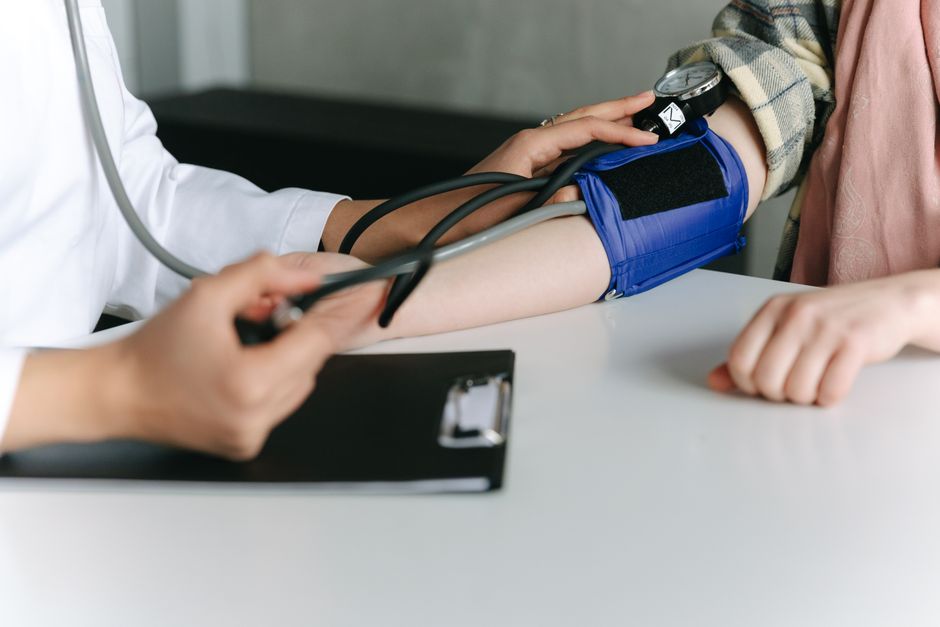
A blood pressure reading of 122/81 mmHg is considered elevated. It is not normal, but it is also not yet high blood pressure. The top number (122) falls into the elevated range, while the bottom number (81) is at the very top of the normal range. This reading means your heart is working harder than ideal, and it is a clear signal to pay attention to your health habits before it progresses to hypertension.
What Do the Numbers 122 and 81 Actually Mean?
Blood pressure is measured with two numbers. The top number is systolic pressure. That is the force when your heart beats. The bottom number is diastolic pressure. That is the pressure between beats when your heart rests.
A reading of 122/81 means your systolic pressure is 122 mmHg and your diastolic is 81 mmHg. The American Heart Association classifies normal blood pressure as below 120/80. Elevated blood pressure starts at a systolic of 120-129 and a diastolic below 80. Your reading of 122 systolic puts you in the elevated category. Your diastolic of 81 is one point above the normal cutoff, which some clinicians flag as prehypertension.
This is not a diagnosis of hypertension. But it is not a clean bill of health either. It sits in a gray zone where the risk of developing full hypertension is higher than someone with a reading of 110/70.
Is 122 81 Blood Pressure Normal Or Elevated According to Guidelines?
According to the American College of Cardiology and the American Heart Association, the answer is clear: 122/81 is elevated blood pressure. The guidelines released in 2017 redefined high blood pressure as 130/80 or higher. Before that, 140/90 was the cutoff. This change moved millions of people into the elevated category overnight.
Under current guidelines, a normal reading is less than 120/80. Elevated is 120-129 systolic with diastolic under 80. Your reading has a systolic of 122, which fits elevated. The diastolic of 81 is technically above the normal diastolic cutoff of 80. Some doctors consider this a borderline stage 1 hypertension reading, especially if it repeats on multiple checks.
The important thing is that a single reading does not define your status. Blood pressure fluctuates throughout the day. Stress, caffeine, exercise, and even talking can raise it temporarily. Guidelines recommend averaging two or three readings taken at different times before making a judgment.
How Accurate Is a Single Reading of 122/81?
A single reading of 122/81 is not reliable enough to act on alone. Blood pressure varies minute to minute. One study published in the New England Journal of Medicine found that office readings are often 5-10 points higher than readings taken at home. This is called white coat effect — the anxiety of being in a medical setting raises your numbers.
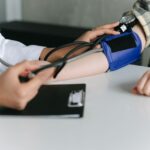
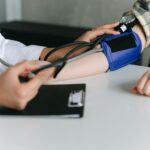
To get an accurate picture, the American Heart Association recommends taking your blood pressure at home. Use a validated monitor with an upper arm cuff. Sit quietly for five minutes before measuring. Take two readings one minute apart. Average them. Do this morning and evening for a week.
If your average across those readings stays around 122/81, then it is truly elevated. If it drops closer to 118/78, you may have normal blood pressure that spikes in the doctor’s office. If it climbs higher, you may need medical attention.
What Causes Blood Pressure to Rise to 122/81?
Several factors can push a normal reading into the elevated range. Diet is the biggest one. High sodium intake is directly linked to higher blood pressure. The average American consumes about 3,400 mg of sodium per day. The American Heart Association recommends no more than 2,300 mg, with an ideal limit of 1,500 mg for people with elevated readings. Processed foods, restaurant meals, and deli meats are the primary sources.
Weight is another major factor. Excess body fat increases the workload on your heart and stiffens blood vessels. The Framingham Heart Study, a long-running research project, found that excess weight accounts for up to 78% of hypertension cases in men and 65% in women. Even 10 extra pounds can raise systolic pressure by 2-3 points.
Stress, poor sleep, and lack of physical activity also contribute. Cortisol, the stress hormone, constricts blood vessels and raises pressure. Sleep deprivation disrupts the normal nighttime dip in blood pressure, keeping it higher around the clock. Sedentary behavior weakens the cardiovascular system over time.
What Should You Do If Your Blood Pressure Is 122/81?
The first step is to confirm the reading. Do not panic over a single number. Take it again at home under proper conditions. Track it for a week before drawing conclusions. If the average stays elevated, the next step is lifestyle change — not medication. Guidelines do not recommend drug treatment for blood pressure below 130/80 unless you have other high-risk conditions like diabetes or kidney disease.
The most effective lifestyle changes for lowering blood pressure include reducing sodium, increasing potassium intake, and getting regular aerobic exercise. The DASH diet, which stands for Dietary Approaches to Stop Hypertension, is the most researched eating pattern for this. It emphasizes fruits, vegetables, whole grains, lean proteins, and low-fat dairy. Studies show the DASH diet can lower systolic pressure by 8-14 points within weeks.
Physical activity matters too. The American Heart Association recommends at least 150 minutes of moderate-intensity exercise per week, such as brisk walking. This alone can lower systolic pressure by 5-8 points. Limiting alcohol to no more than one drink per day for women and two for men also helps. Smoking cessation is essential if you smoke.
| Factor | Typical Systolic Reduction | Timeframe |
|---|---|---|
| DASH diet | 8-14 mmHg | 2-4 weeks |
| 150 min/week exercise | 5-8 mmHg | 4-12 weeks |
| Sodium reduction to 1,500 mg/day | 5-6 mmHg | 2-4 weeks |
| Weight loss (per 2.2 lbs lost) | 1 mmHg | Ongoing |
| Limiting alcohol | 2-4 mmHg | 2-4 weeks |
What Are the Risks of Ignoring 122/81 Blood Pressure?
Ignoring an elevated reading of 122/81 carries real risks over time. Research shows that people with elevated blood pressure have a 50-70% higher risk of developing stage 1 hypertension within four years compared to those with normal readings. The progression is not inevitable, but it is common without intervention.
Sustained elevated blood pressure damages blood vessels. It causes the arterial walls to thicken and stiffen. This increases the workload on the heart and raises the risk of heart attack, stroke, and kidney damage. The damage happens slowly over years, which is why it is called the silent killer. You do not feel it until something breaks.
One non-obvious risk is cognitive decline. The brain relies on steady blood flow. Research published in the journal Hypertension found that even slightly elevated blood pressure in midlife is linked to faster cognitive decline and higher dementia risk later. The damage accumulates silently over decades. Addressing it now is preventive medicine for your brain as well as your heart.
When Should You See a Doctor for 122/81?
You should see a doctor if your home readings consistently average 122/81 or higher over a week. A single elevated reading in the office is not enough, but a pattern is. Your doctor can check for underlying causes like kidney issues or thyroid problems. They can also assess your overall cardiovascular risk using factors like age, cholesterol, smoking history, and family history.
If you have diabetes, chronic kidney disease, or a history of heart disease, the threshold for concern is lower. For these patients, some guidelines recommend medication even at 130/80. Your doctor will make that call based on your individual risk profile. For otherwise healthy people with elevated blood pressure, lifestyle changes are the standard first-line approach.
Do not wait until symptoms appear. High blood pressure has no symptoms until it is dangerously high. By the time you feel headaches, shortness of breath, or nosebleeds, the damage may already be advanced. Routine screening is the only way to catch it early.
Common Misconceptions About 122/81 Blood Pressure
A common myth is that 122/81 is fine because the diastolic is below 90. That was true under old guidelines from the 1990s, but it is not true today. The evidence from large studies like the SPRINT trial showed that lower blood pressure targets save lives. The 2017 guidelines reflect that evidence. Your diastolic of 81 is technically above the normal cutoff of 80, which matters.
Another misconception is that you need medication for 122/81. You usually do not. Lifestyle changes are powerful and often enough to bring it back to normal. Medication carries side effects and costs. It is reserved for people with confirmed hypertension or high-risk conditions. Do not pressure your doctor for a prescription you do not need.
Some people also believe that if they feel fine, their blood pressure is fine. This is false. High blood pressure is asymptomatic until it causes a crisis. Feeling good does not mean your arteries are healthy. The only way to know is to measure it.
Frequently Asked Questions
Is 122/81 blood pressure considered high?
No, it is considered elevated, not high. High blood pressure starts at 130/80 or higher under current guidelines.
Can 122/81 blood pressure go back to normal?
Yes, lifestyle changes like reducing sodium, losing weight, and exercising regularly can bring it back below 120/80.
Should I take medication for 122/81 blood pressure?
Generally no. Medication is not recommended for blood pressure below 130/80 unless you have other high-risk conditions like diabetes.
How often should I check my blood pressure if it is 122/81?
Check it at home twice daily for one week to confirm the pattern. Then check it weekly if it improves or monthly if it stays stable.
