
If your blood pressure spikes, you want it down fast. The most reliable methods that actually work are slow deep breathing, removing yourself from a stressful situation, and checking with your doctor about rescue medication if you have a prescribed plan. Here is what the evidence shows about dropping blood pressure quickly and safely.
How To Drop Blood Pressure Fast What Actually Works?
Slow, deep breathing is one of the fastest ways to lower blood pressure in the moment. Research shows that taking about 6 breaths per minute — inhaling for 5 seconds, exhaling for 5 seconds — for three to five minutes can reduce systolic pressure by 5 to 10 mmHg. This works by activating the parasympathetic nervous system, which relaxes blood vessels. It is safe, free, and does not require any equipment.
Other immediate steps include moving to a quiet, cool room and loosening tight clothing. Avoid checking your blood pressure repeatedly during the episode — anxiety can keep it elevated. If you have been prescribed a fast-acting medication like certain beta blockers or short-acting ACE inhibitors for spikes, take it as directed by your doctor. Never take someone else’s blood pressure medication. The effect of deep breathing usually lasts 30 minutes to an hour. For a sustained drop, you need longer-term changes.
Can Drinking Water Lower Blood Pressure Quickly?
Drinking a glass of water can temporarily raise blood pressure in people who are dehydrated. For most people with normal hydration, water does not cause a rapid drop. Staying well-hydrated over the course of hours and days supports normal blood pressure regulation, but it is not an acute rescue method. Cold water may cause a slight vasoconstriction, so lukewarm water is better if you are trying to relax.
What About Caffeine and Alcohol During a Spike?
Caffeine can increase blood pressure temporarily, especially if you do not consume it regularly. If your pressure is already high, avoid coffee, tea, and energy drinks. Alcohol, despite its reputation for relaxation, can raise blood pressure within 30 minutes of drinking. It also interferes with blood pressure medications. Stick to water or herbal tea. Hibiscus tea has some evidence from small studies of a mild acute blood pressure lowering effect, but the evidence is not strong enough to rely on it as a fast treatment.
How Low Should You Go in the First Hour?
In a non-emergency situation, a drop of 10 to 20 mmHg in systolic pressure over the first hour is realistic with relaxation and deep breathing. You should not aim for a dramatic crash — that can cause dizziness or fainting. A steady decline is safer than a sudden one. If your initial reading is above 180/120 mmHg and you have symptoms like chest pain, shortness of breath, or vision changes, this is a hypertensive emergency. Do not wait. Call 911.
What Lifestyle Changes Work Within Days?
Cutting sodium is the single fastest dietary change. Reducing your intake from a typical American diet to under 2,300 mg per day can lower systolic pressure by 5 to 6 mmHg within a week. The effect is larger in people with salt sensitivity. Increasing potassium — from foods like bananas, sweet potatoes, and spinach — also helps bring pressure down over a few days. The DASH diet, which is rich in fruits, vegetables, and low-fat dairy, has been shown to lower blood pressure within two weeks.
Another fast-acting change is regular aerobic exercise. A single 30-minute walk at a moderate pace can lower blood pressure for the next several hours. Doing this daily leads to sustained reductions of 5 to 10 mmHg after a few weeks, but even one session has an immediate post-exercise dip. Just be sure to check with your doctor before starting exercise if your blood pressure is very high.
What Does NOT Work for Rapid Blood Pressure Lowering?
Several popular home remedies do not hold up to scrutiny. Apple cider vinegar has no good evidence for quickly lowering blood pressure. Garlic supplements may have a modest long-term effect but nothing immediate. Stress-relief supplements like magnesium glycinate can help over weeks but will not rescue you in minutes. The same goes for hibiscus tea, beets, and dark chocolate — they have some evidence for slow, small improvements, but are not fast-acting rescue tools. Do not rely on them during a hypertensive spike.
Also avoid the “hot water and lemon” trend. There is no evidence it lowers blood pressure. Similarly, holding your breath or performing a Valsalva maneuver can actually cause a dangerous pressure surge. Stick to the techniques with solid evidence: deep breathing, relaxation, and following your prescribed treatment plan.
When Should You Seek Emergency Help for High Blood Pressure?
If your blood pressure reading is 180/120 mmHg or higher and you have a headache, chest pain, shortness of breath, vision changes, or numbness, this is a hypertensive emergency. Do not try to manage it at home. Call 911. For readings above 180/120 without symptoms — called hypertensive urgency — you should still contact your doctor immediately. They may advise taking a rescue dose of medication or coming to their office. Never try to rapidly lower very high blood pressure on your own, as reducing it too quickly can deprive the brain and heart of necessary blood flow.
How to Use Home Monitoring Correctly During a Spike
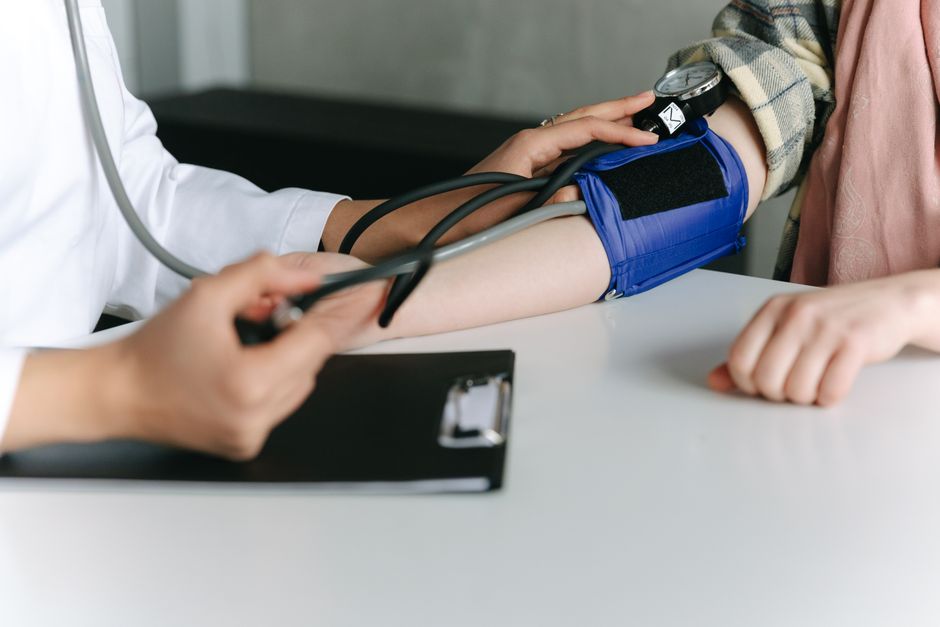
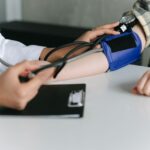
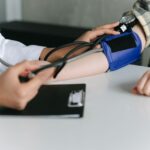
To get an accurate reading, sit quietly for 5 minutes before measuring. Use a validated upper-arm monitor, not a wrist or finger device. Keep your arm supported at heart level. Do not talk during the measurement. Take two readings one minute apart and average them. If the first reading is high, rest for 5 more minutes before checking again. Many people get “white coat” spikes even at home, so a single high reading does not mean you are in danger. Multiple readings over time give a more reliable picture.
Frequently Asked Questions
Can deep breathing really lower blood pressure fast?
Yes. Slow deep breathing at 5 to 6 breaths per minute for a few minutes can lower systolic pressure by 5 to 10 mmHg by calming your nervous system and relaxing blood vessels.
How much can cutting salt lower blood pressure in a week?
Reducing sodium to under 2,300 mg per day can lower systolic pressure by 5 to 6 mmHg within one week, especially if you are salt sensitive.
What should I do if my blood pressure is 180/120?
If you have symptoms such as chest pain, headache, or vision changes, call 911 immediately. If no symptoms, contact your doctor right away for guidance.
Is it safe to take someone else’s blood pressure pill during a spike?
No. Never take medication prescribed for another person. Their dose and drug may be wrong for you and can cause dangerously low pressure or other side effects.
