
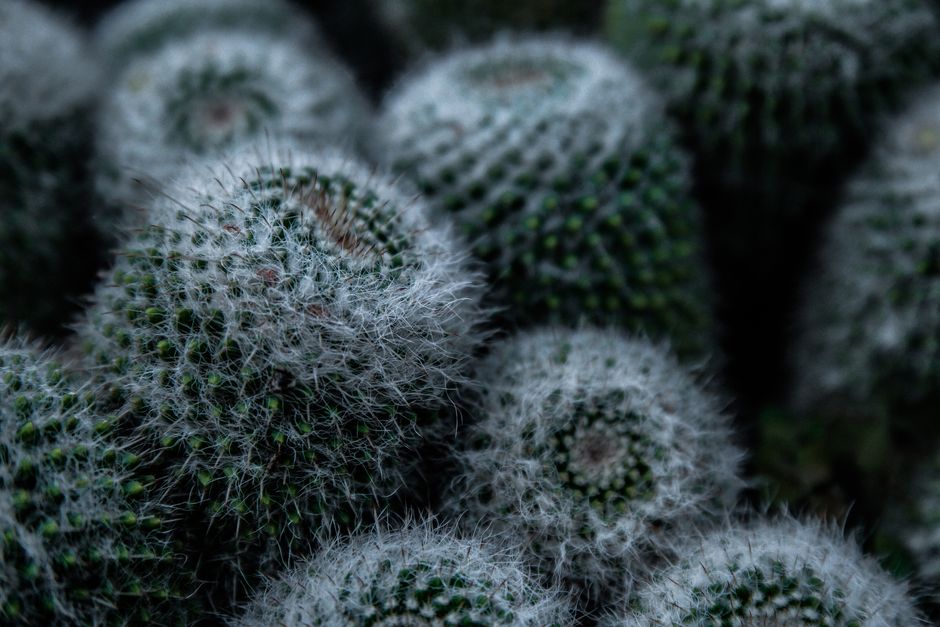
If you have seen a cactus that looks like it is covered in soft white hair or cotton, you have likely encountered a fuzzy white cactus. These plants are not a single species but a group of cacti that grow dense, hair-like structures called trichomes. The most common types are from the Cephalocereus and Espostoa genera, often called old man cactus or Peruvian old man cactus. To care for them, you need bright light, very well-draining soil, and careful watering that mimics their native desert conditions. They are not difficult to keep alive, but they do require specific conditions that differ from typical houseplants.
What Exactly Are Fuzzy White Cacti?
Fuzzy white cacti are desert plants that have evolved a thick covering of white hairs. These hairs are not fur or mold. They are modified spines called trichomes. The plant grows them to protect itself from intense sun, cold nights, and thirsty animals in its natural habitat.
The most well-known fuzzy white cactus is the old man cactus, scientifically named Cephalocereus senilis. It comes from central Mexico. Another common type is the Peruvian old man cactus, Espostoa lanata, which comes from Peru and Ecuador. Both look similar, but the Peruvian version tends to have more yellow spines mixed into the white fuzz.
These cacti can grow quite tall in the wild, sometimes reaching 40 feet. As houseplants, they stay much smaller, usually between 1 and 3 feet. The white fuzz is thickest near the top of the plant where new growth happens. Older parts near the base may lose some fuzz and show the green skin underneath.
What Are Fuzzy White Cacti And How Do You Care For Them?
The keyphrase “What Are Fuzzy White Cacti And How Do You Care For Them” comes down to understanding one simple fact: these are desert plants that hate sitting in water. Everything about their care flows from that truth.
Light requirements. These cacti need bright, direct sunlight for at least 4 to 6 hours a day. A south-facing window is ideal. Without enough light, the plant will stretch out, looking thin and pale. The white fuzz may also thin out. If your home does not get enough natural light, a grow light works well.
Watering. This is where most people make mistakes. Water only when the soil is completely dry. In summer, this might mean watering every 10 to 14 days. In winter, the plant goes dormant and needs water only once a month or even less. The fuzz can trap moisture against the plant skin, which can lead to rot. Water at the base, not over the top of the fuzz.
Soil. Use a cactus or succulent potting mix. You can make your own by mixing regular potting soil with coarse sand and perlite in equal parts. The soil must drain fast. A pot with drainage holes is non-negotiable.
Temperature and humidity. These cacti prefer temperatures between 60 and 85 degrees Fahrenheit. They can handle cooler temperatures down to about 40 degrees, but not for long. Normal indoor humidity is fine. Do not mist the plant. The fuzz holds moisture, and that can cause rot or fungal issues.
Pot size. Use a pot that is only slightly larger than the root ball. These plants like to be snug. A pot that is too large holds too much soil, which stays wet too long and can kill the roots.
What Common Problems Do Fuzzy White Cacti Have?
Even with good care, fuzzy white cacti can develop problems. Knowing what to look for helps you fix issues early.
Rot from overwatering. This is the number one killer. Signs include soft, mushy spots on the plant, a bad smell, or the fuzz turning brown and wet. If you catch it early, you can cut away the rotten part with a clean knife and let the wound dry out. If the rot reaches the base, the plant likely will not survive.
Pests. Mealybugs and spider mites can hide in the white fuzz. You might not see them until the plant starts looking sick. Check the fuzz regularly. If you see small white cottony clumps or tiny webs, treat with rubbing alcohol on a cotton swab or a gentle insecticidal soap. Current research suggests that neem oil is also effective, but it can stain the white fuzz, so use it carefully.
Fuzz discoloration. White fuzz can turn yellow or brown. This often happens from dust buildup, too much direct sun, or water getting trapped in the fuzz. If the fuzz is dirty, you can gently brush it with a soft, dry paintbrush. Do not wash the fuzz with water.
Etiolation. This is the term for stretched, thin growth caused by too little light. The cactus will look skinny and pale, and the fuzz may be sparse. The fix is to move the plant to a brighter spot. The stretched part will not go back to normal, but new growth will be healthy.
| Problem | Common Cause | What To Do |
|---|---|---|
| Soft, mushy base | Overwatering or rot | Stop watering. Remove rotten parts. Repot in dry soil. |
| Yellow or brown fuzz | Dust, sunburn, or trapped water | Brush gently. Move to less intense sun. Water at base. |
| Thin, stretched growth | Not enough light | Move to brighter spot or use grow light. |
| Small white bugs in fuzz | Mealybugs | Treat with rubbing alcohol or insecticidal soap. |
| No new growth | Dormancy or root issues | Check roots. Wait for growing season. Do not overwater. |





What Are the Biggest Myths About Fuzzy White Cacti?
There is a lot of bad advice online about these plants. Some myths are harmless. Others can kill your cactus.
Myth: They need misting because they are from the desert. This is wrong. Deserts are dry. Misting the fuzz creates a damp environment that leads to rot. These cacti get their water from rain that falls and drains away quickly. They do not absorb water through their fuzz.
Myth: White fuzz means the plant is unhealthy. The opposite is true. Healthy fuzzy white cacti should have thick, white fuzz. It is a sign the plant is getting enough light and is growing well. Thin or missing fuzz is the real problem.
Myth: You should water on a schedule. Cacti do not care what day of the week it is. They care about soil moisture. Always check the soil with your finger or a moisture meter before watering. If the soil is still damp, wait.
Myth: All white fuzz is the same. Some fuzzy white cacti are actually covered in a white powder called farina, not trichomes. The powder can rub off easily. If you see a white coating that smears when touched, that is farina, not fuzz. Do not touch it. It protects the plant from sunburn.
How Do You Propagate Fuzzy White Cacti?
Propagating fuzzy white cacti is possible but not as easy as with other succulents. The most reliable method is from seeds, but that takes patience. A faster method is from offsets, if your plant produces them.
From offsets. Some fuzzy white cacti grow small baby plants at the base. Wait until the offset is at least a few inches across. Use a clean, sharp knife to cut it away from the mother plant. Let the cut end dry out for a few days to form a callus. Then plant it in dry cactus soil. Do not water for the first week. After that, water lightly. Keep it in bright, indirect light.
From seeds. This takes longer but can be rewarding. Sow seeds on the surface of damp cactus soil. Cover the pot with plastic wrap to keep humidity high. Place it in a warm spot with bright, indirect light. Seeds can take several weeks to germinate. Once they sprout, remove the plastic and let them grow. It may take a year or more before the plant looks like a small cactus.
What not to do. Do not try to propagate from a cutting of the main stem. Unlike some succulents, a stem cutting of a fuzzy white cactus will usually rot before it roots. Stick to offsets or seeds.
How Do You Choose a Healthy Fuzzy White Cactus?
If you are buying one, pick a healthy plant from the start. This saves you a lot of trouble later.
Look for thick, white fuzz that is not matted or brown. The plant should feel firm when you gently squeeze it. Soft spots are a bad sign. Check the base of the plant near the soil line. It should be dry and firm, not mushy. Look inside the fuzz for any signs of bugs or webs.
The pot should have drainage holes. If the plant is in a pot without holes, plan to repot it as soon as you get home. The soil should look dry and gritty, not wet and dark.
Avoid plants that look stretched out or pale. That means they have been kept in low light. Also avoid plants with yellow or brown patches on the skin. That could be sunburn or rot.
As of 2026, these cacti are widely available at garden centers, big box stores, and online. Prices vary depending on size. A small 4-inch pot might cost 10 to 20 dollars. Larger plants can cost 50 dollars or more.
Frequently Asked Questions
How often should I water a fuzzy white cactus?
Water only when the soil is completely dry. In summer that may be every 10 to 14 days. In winter it may be once a month or less.
Why is my fuzzy white cactus turning yellow?
Yellowing is usually from too much direct sun, dust buildup, or water trapped in the fuzz. Move it to slightly less intense light and brush the fuzz gently.
Can fuzzy white cacti live outdoors?
Yes, if you live in a warm, dry climate. They can handle temperatures down to about 40 degrees Fahrenheit but should be brought inside if frost is expected.
Do fuzzy white cacti need fertilizer?
They benefit from a weak cactus fertilizer once in spring and once in summer. Do not fertilize in winter when the plant is dormant.
