
Using an asthma machine, also called a nebulizer, turns liquid medicine into a fine mist you breathe in. The setup is straightforward: pour the correct dose of medicine into the cup, attach the mouthpiece or mask, connect the tubing to the compressor, and turn it on. Care is just as simple: rinse the cup and mouthpiece with warm water after each use, air dry on a clean towel, and deep clean with vinegar or a mild soap once a week. A well-maintained machine delivers the right dose every time. A neglected one can grow bacteria and make you sicker.
How do you set up an asthma machine correctly?
The setup process is the same for most home nebulizer models. Start by washing your hands with soap and water. This keeps germs out of the medicine cup. Place the compressor on a hard, flat surface. Soft surfaces like beds or couches can block the air intake vents.
Open the medicine cup. Some models have a twist-off top. Others lift off. Pour the prescribed amount of liquid asthma medicine into the cup. Most vials come pre-measured. If you use a dropper, measure carefully. Overfilling does not help and wastes medicine.
Attach the mouthpiece or mask to the top of the cup. Connect one end of the tubing to the port on the bottom of the cup. Connect the other end to the compressor. Plug the compressor into an electrical outlet. Turn it on. You should see a steady mist coming from the mouthpiece or mask within a few seconds.
Sit upright in a chair. Hold the mouthpiece between your teeth and seal your lips around it. If using a mask, place it snugly over your nose and mouth. Breathe normally through your mouth. Slow, deep breaths help the medicine reach deep into your lungs. A typical treatment takes 10 to 15 minutes. The machine will sputter when the cup is nearly empty. That is your signal to stop.
How do you clean a nebulizer after each use?
Rinsing after every treatment is the single most important step. Bacteria love the warm, damp inside of a used medicine cup. A quick rinse removes most residue before it becomes a problem.
Take the medicine cup apart. Separate the top, the cup itself, and the mouthpiece or mask. Rinse each piece under warm running tap water for at least 30 seconds. Do not use soap after every use unless your doctor specifically says to. Plain water is enough for daily rinsing. Shake off excess water. Place the pieces on a clean, lint-free towel to air dry completely. Never reassemble a wet nebulizer. Moisture trapped inside is a breeding ground for mold.
Wipe the outside of the compressor with a dry cloth. Do not get the compressor wet. The tubing does not need rinsing after each use. Just disconnect it and let it hang dry. Replace the tubing every three to six months or sooner if it looks dirty or cracked.
How do you deep clean a nebulizer weekly?
A deep clean once a week kills germs that rinsing alone does not remove. Research shows that weekly disinfection significantly reduces bacterial contamination in home nebulizers. Without it, the machine can deliver germs directly into your lungs.
Disassemble the medicine cup, mouthpiece, and mask as you do for daily rinsing. Soak all parts except the tubing in a solution of one part white vinegar and three parts warm water. Let them soak for 30 minutes. Vinegar is effective, cheap, and does not leave toxic residue.
Some manufacturers recommend a mild dish soap instead. If you use soap, rinse every piece thoroughly under running water for at least one minute. Soap residue can irritate your airways during the next treatment. After soaking, rinse each piece again with warm water. Shake off excess water and air dry on a clean towel. Do not dry with a dish towel. Dish towels can transfer bacteria.
Never boil nebulizer parts. Never put them in the dishwasher. High heat can warp plastic parts and change how the machine delivers medicine. Warped parts mean the wrong dose reaches your lungs.





What are the most common mistakes people make with asthma machines?
The biggest mistake is not cleaning the machine at all. A 2022 study found that nearly half of home nebulizer users did not clean their device daily. Many did not know they were supposed to. Dirty nebulizers can cause lung infections, especially in people with chronic asthma or weakened immune systems.
Another common error is using the wrong medicine dose. Some people pour the entire vial when only half is prescribed. Others mix two different medicines without checking with a doctor. Some asthma medicines should not be mixed in the same cup. Always follow the prescription exactly as written.
Using expired medicine is also a problem. Liquid asthma medicine has a shelf life. Check the expiration date on each vial. Expired medicine may not work as well. It can also break down into particles that clog the nebulizer or irritate your lungs.
People also sit too far from the machine. The tubing is usually about six feet long. If you stretch it tight, the machine can tip over. Keep the compressor within arm’s reach. Do not walk around during treatment. Stay seated in one spot.
Some people stop treatment too early. They turn off the machine when the mist gets thin. But a thin mist still contains medicine. Keep going until the cup is nearly dry and the mist sputters. Stopping early wastes a significant portion of the dose.
How often should you replace nebulizer parts?
Nebulizer parts wear out over time. Worn parts deliver less medicine than they should. A 2019 study found that using a nebulizer cup more than six months old reduced the amount of medicine reaching the lungs by up to 40 percent. That is a massive drop in effectiveness.
Replace the medicine cup every three to six months. Some manufacturers recommend every three months. Check your user manual. If the cup looks cloudy, cracked, or discolored, replace it sooner. Replace the mouthpiece or mask at the same time.
Replace the tubing every three to six months. Tubing can collect moisture and grow mold inside. You cannot see mold inside the tube. If you smell a musty odor during treatment, replace the tubing immediately. Replace the air filter as well. Most compressors have a small foam or paper filter that needs changing every six months or when it looks dirty. A clogged filter makes the compressor work harder and reduces mist output.
Replace the entire machine every five years. Compressors lose power over time. A weak compressor produces a weak mist. Current research suggests that older machines may not deliver enough medicine to control asthma effectively. If your machine is five years old or older, talk to your doctor about a replacement.
What is the difference between a nebulizer and an inhaler?
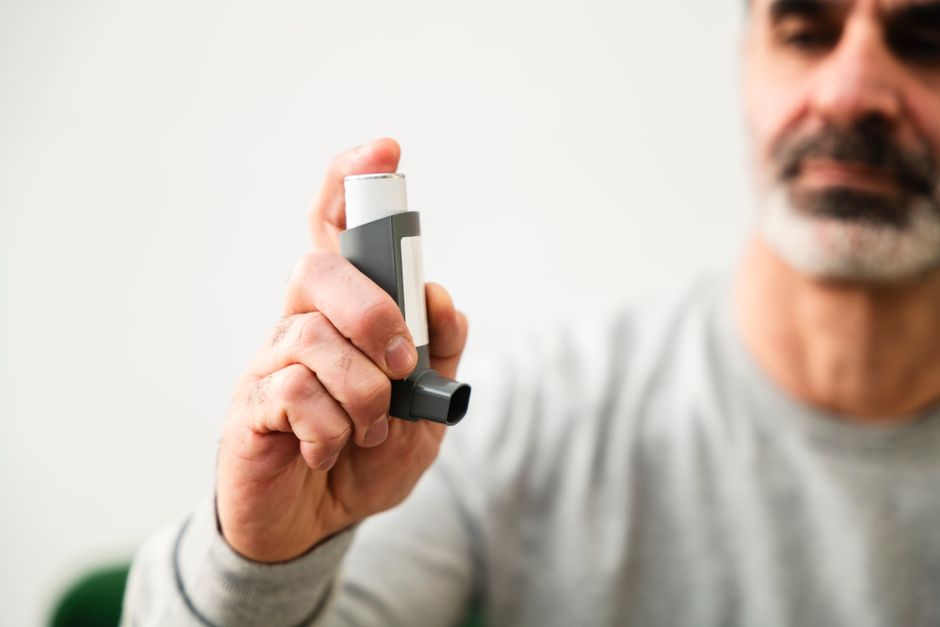
Both devices deliver asthma medicine to your lungs. They just do it differently. A nebulizer turns liquid medicine into a fine mist that you breathe in over several minutes. An inhaler shoots a puff of aerosolized medicine that you inhale in one quick breath.
Nebulizers are generally easier to use for young children, older adults, and people who struggle with the hand-breath coordination that inhalers require. You just breathe normally. No timing or special technique is needed. Nebulizers also deliver a larger dose of medicine than a single puff from an inhaler.
Inhalers are faster and more portable. A treatment takes less than a minute. A nebulizer treatment takes 10 to 15 minutes. Inhalers are also less expensive over time. The device itself costs less, and you do not need to buy replacement parts or cleaning supplies.
For severe asthma attacks, a nebulizer is often more effective because it delivers a steady stream of medicine over time. Some studies suggest that a nebulizer can get more medicine into the smaller airways than an inhaler during an attack. But for daily maintenance, a metered-dose inhaler with a spacer works just as well for most people. Your doctor will recommend the right device based on your specific situation.
| Feature | Nebulizer | Inhaler |
|---|---|---|
| Treatment time | 10 to 15 minutes | 30 to 60 seconds |
| Ease of use | Breathe normally | Requires coordination |
| Portability | Bulky, needs power | Small, fits in pocket |
| Medicine dose | Larger per treatment | Smaller per puff |
| Cleaning needed | Daily rinsing, weekly deep clean | Monthly rinsing of spacer |
| Cost over time | Higher (parts, electricity) | Lower |
| Best for attacks | Yes, steady delivery | Works if technique is good |
How To Use An Asthma Machine Setup And Care for children
Using a nebulizer on a child requires a few adjustments. Children often resist the mask or the noise of the compressor. Start by letting the child see the machine turned on without the medicine. Let them touch the mask. Explain that it helps them breathe better. Distraction works well. Read a book or play a video during treatment.
Use a mask for children under five years old. Older children can use a mouthpiece if they can seal their lips around it. A mask delivers medicine through both the nose and mouth. A mouthpiece is more efficient because less medicine gets lost in the nasal passages. If your child can use a mouthpiece, switch as soon as they are ready.
Do not force a crying child to wear the mask. Crying reduces how much medicine reaches the lungs. If the child is upset, stop the treatment, calm them down, and try again. Some parents find that letting the child hold the mask themselves helps. Others use a fun sticker on the compressor as a reward.
Clean the child’s face after treatment. Medicine residue can cause skin irritation or a rash around the mouth and nose. Wash the area with warm water and pat dry. Replace the mask every three months. A worn mask may not seal properly, which means the child breathes in less medicine.
Frequently Asked Questions
How long does a nebulizer treatment take?
A typical treatment takes 10 to 15 minutes. The machine will sputter when the medicine cup is nearly empty.
Can I use tap water to rinse my nebulizer?
Yes, tap water is fine for daily rinsing. Use distilled or sterile water for the final rinse if your tap water is hard or has a high mineral content.
Do I need to replace the nebulizer tubing?
Yes, replace the tubing every three to six months. Replace it sooner if you see moisture inside or smell a musty odor.
Can I share my nebulizer with someone else?
No, never share a nebulizer. Sharing spreads germs and infections even if you clean the parts between uses.
