
Type X collagen is a specific protein found almost exclusively in the growth plates of children’s bones. Its main role is to help build new bone tissue and then signal when that tissue is ready to harden into mature bone. In adults, type X collagen is normally absent, but its reappearance is a strong marker for certain bone diseases and fractures that are not healing properly.
What Is Type X Collagen and How Is It Different From Other Collagens?
Collagen is the most abundant protein in your body. You have probably heard of type I collagen for skin and bones, or type II collagen for joints. Type X collagen is different.
It is a network-forming collagen. Think of it as a temporary scaffold. Other collagens are like permanent building materials. Type X collagen is more like the construction crew that sets up scaffolding, works on the building, and then takes it down.
Research shows that type X collagen is produced by a specific cell called the hypertrophic chondrocyte. These cells are active during endochondral ossification, which is the process where cartilage turns into bone. This happens most actively in growing children.
In healthy adults, the gene for type X collagen (COL10A1) is mostly turned off. When it turns back on, it signals something unusual is happening in the bone tissue.
What Does Research on Type X Collagen and Bone Health Show?
Current research as of 2026 focuses on three main areas where type X collagen matters for bone health.
First, it is a key marker for osteoarthritis. Studies have found fragments of type X collagen in the urine and blood of people with osteoarthritis. The presence of these fragments suggests that the cartilage is trying to repair itself, but the process is going wrong. Some researchers believe type X collagen could become a diagnostic tool for early osteoarthritis.
Second, it is linked to fracture healing. When a bone breaks, the body essentially rebuilds it using the same process it used during childhood. Type X collagen appears at the fracture site within days. If it does not appear, the bone may not heal properly. Some studies suggest measuring type X collagen levels could help doctors predict which fractures will heal slowly.
Third, it is associated with a rare bone disease called Schmid metaphyseal chondrodysplasia. This is a genetic condition caused by a mutation in the COL10A1 gene. Children with this condition have short stature and bowed legs because their growth plates do not work correctly.
Can You Boost Type X Collagen Through Diet or Supplements?
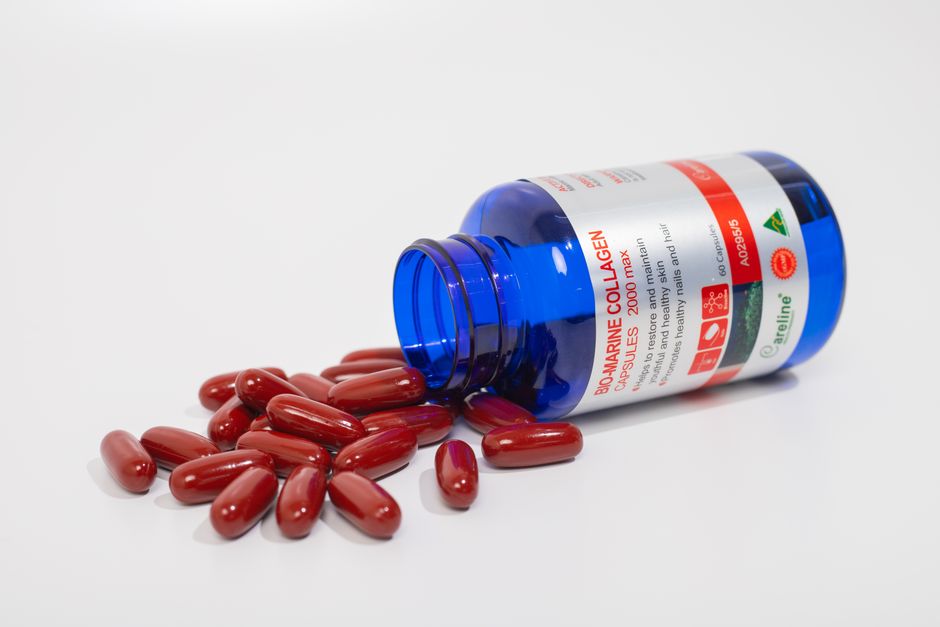
This is where you need to be careful with what you read online. Many articles claim you can “boost” collagen production with certain foods or supplements. That advice is mostly about type I collagen, not type X.
As of 2026, there is no clinical evidence that any food, supplement, or lifestyle change can specifically increase type X collagen in your body. The supplements sold as “collagen peptides” or “hydrolyzed collagen” are almost always type I and type III collagen. They come from animal skin and bones.
Your body controls type X collagen production through complex genetic and hormonal signals. You cannot influence it by eating bone broth or taking vitamin C, even though those things are healthy for other reasons.
Some people report feeling better after taking collagen supplements. That is a real experience. But it is not because those supplements contain type X collagen or stimulate its production. The effects, if real, come from other collagen types or the amino acids they provide.





What Does the Reappearance of Type X Collagen Mean in Adults?
When type X collagen shows up in an adult’s bone tissue, it usually points to one of two things: osteoarthritis or a healing fracture.
In osteoarthritis, the cartilage at the ends of your bones breaks down. The body tries to repair this damage by turning on the same growth processes used during childhood. Type X collagen appears as part of that attempted repair. But the repair does not work properly, and the cartilage continues to deteriorate.
Researchers have developed tests that measure type X collagen fragments in the blood. These tests are not yet standard in doctor’s offices, but they are used in some research settings. High levels of these fragments are associated with more severe osteoarthritis and faster disease progression.
In fracture healing, the reappearance of type X collagen is a good sign. It means the body is actively rebuilding bone tissue at the break site. The collagen appears around day 7 to 10 after a fracture and peaks at about 3 to 4 weeks. Doctors cannot yet use this information in routine care, but it may become a tool for monitoring healing in the future.
How Is Type X Collagen Measured and Why Does It Matter?
There are two main ways scientists measure type X collagen.
The first is through tissue biopsy. A small sample of bone or cartilage is taken and examined under a microscope. Special stains can show where type X collagen is located. This method is invasive and rarely used outside of research or surgery.
The second is through blood or urine tests that detect collagen fragments. These tests look for specific peptides that are released when type X collagen breaks down. The most studied marker is called Coll10-NC1.
| Measurement Method | What It Detects | Current Use |
|---|---|---|
| Tissue biopsy | Location and amount of type X collagen in tissue | Research only |
| Blood test (Coll10-NC1) | Fragments released during cartilage breakdown | Osteoarthritis research, not yet standard clinical use |
| Urine test | Degradation products of type X collagen | Research studies on bone turnover |
Why does this matter? Because if these tests become widely available, they could help doctors diagnose osteoarthritis earlier. They could also help track whether a treatment is working. Right now, doctors mostly diagnose osteoarthritis based on symptoms and X-rays. By the time X-rays show damage, the disease has been progressing for years. A blood test for type X collagen fragments could catch it earlier.
What Are Common Misconceptions About Type X Collagen?
The internet is full of bad information about collagen. Here is what the evidence actually shows and does not show.
- Misconception: All collagen is the same. There are at least 28 types of collagen in the human body. Type X is structurally and functionally different from the collagen in beauty products and joint supplements.
- Misconception: Eating collagen boosts your own collagen. Your body breaks down dietary collagen into amino acids. It does not directly use those molecules to build new collagen. Your body makes its own collagen from the amino acids you eat, regardless of whether they came from collagen or chicken breast.
- Misconception: Type X collagen supplements exist. They do not. No company manufactures type X collagen supplements. If a product claims to contain type X collagen, it is either mislabeled or fraudulent.
- Misconception: Type X collagen causes osteoarthritis. It does not cause the disease. It appears as part of the body’s failed attempt to repair damaged cartilage. It is a marker, not a cause.
What Should You Actually Do for Bone Health?
Since you cannot directly influence type X collagen, focus on what you can control for overall bone health.
Get enough calcium and vitamin D. The National Institutes of Health recommends 1,000 to 1,200 mg of calcium per day for adults, and 600 to 800 IU of vitamin D. Most people do not get enough vitamin D from food alone, so supplementation may be reasonable. Talk to your doctor about your specific needs.
Do weight-bearing exercise. Walking, jogging, climbing stairs, and lifting weights all signal your bones to stay strong. Bones respond to physical stress by becoming denser. This is one of the most effective things you can do for bone health at any age.
Avoid smoking and limit alcohol. Both interfere with the cells that build and maintain bone tissue. Smoking specifically reduces blood flow to bones, which slows healing and increases fracture risk.
Get screened for osteoporosis if you are at risk. The Bone Health and Osteoporosis Foundation recommends bone density testing for women age 65 and older, and for younger women with risk factors. Men should discuss screening with their doctor starting at age 70.
If you have osteoarthritis, work with a rheumatologist or orthopedic doctor. They can recommend treatments that manage symptoms and slow progression. No supplement has been proven to reverse osteoarthritis, including any collagen product.
Frequently Asked Questions
What is type X collagen’s main function in bone development?
It creates a temporary scaffold that allows new bone to form and then signals when that bone should harden. This happens primarily in the growth plates of children.
Can you take type X collagen as a supplement?
No. There are no type X collagen supplements available. Most collagen supplements contain type I and type III collagen from animal sources.
Does type X collagen appear in adults with healthy bones?
No. In healthy adults, the gene for type X collagen is turned off. Its reappearance usually indicates osteoarthritis or a healing fracture.
Is there a blood test for type X collagen?
Yes, but it is not yet standard in clinical care. Researchers measure fragments called Coll10-NC1 in blood to study osteoarthritis and bone healing.
