
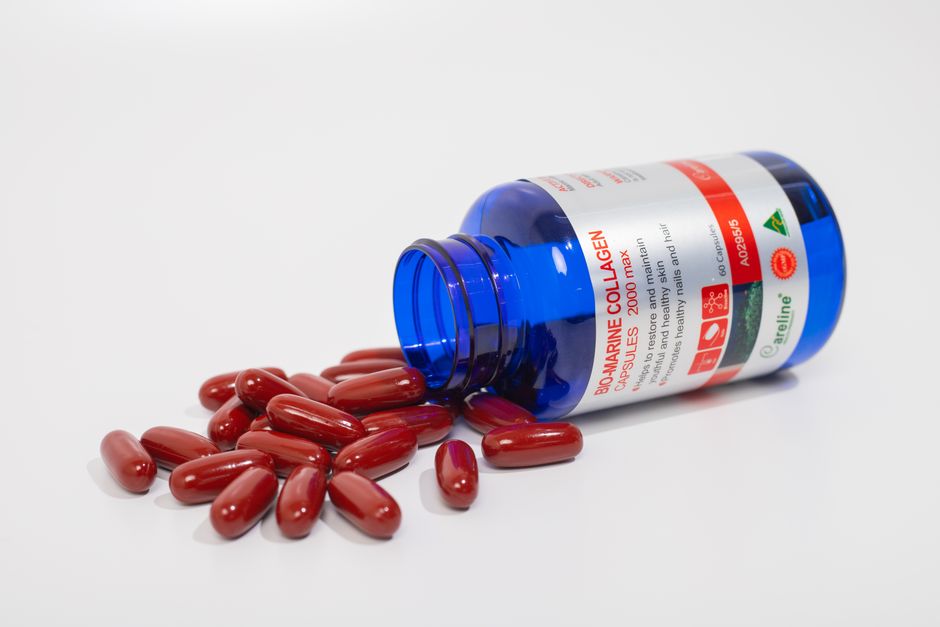
Collagen supplements start with animal bones, skin, and connective tissues—usually from cows, pigs, or fish. These raw materials go through a series of industrial processes including cleaning, acid or enzyme treatment, heating, filtering, and drying. The result is a powdered protein that your body can absorb and use. That is the short version. The longer version reveals a surprisingly complex manufacturing chain that affects quality, cost, and effectiveness far more than most articles admit.
Where Does Collagen Actually Come From?
Collagen is the most abundant protein in mammals. It is found in bones, skin, tendons, and ligaments. Supplement manufacturers source these tissues from animals already raised for meat. There is no separate collagen farming operation.
Bovine collagen comes from cow hides and bones. Porcine collagen comes from pig skin. Marine collagen comes from fish scales and skin. The CDC reports that the United States produces over 100 million pounds of hide and bone byproduct annually from the meat industry alone. Collagen supplements are a way to use what would otherwise be waste.
Type I collagen is the most common in supplements. It comes from cow or fish sources. Type II collagen comes from chicken sternum and is used mostly for joint health. Type III collagen is often blended with Type I. Most products on shelves contain a mix.
What Happens During the First Processing Steps?
Raw animal parts arrive at the processing facility frozen or refrigerated. They are washed thoroughly to remove blood, fat, and other non-collagen material. This step matters more than most people realize. Poor washing leaves behind impurities that affect the final powder’s taste and safety.
The cleaned material is then ground into small pieces. This increases surface area for the next steps. The ground material goes into large stainless steel tanks where it is treated with either a mild acid solution or food-grade enzymes. This step breaks the chemical bonds that hold collagen fibers together.
Research published in the Journal of the Science of Food and Agriculture found that enzyme-based processing produces a more consistent product than acid-only methods. Acid processing is cheaper. Enzyme processing produces a higher quality powder with better amino acid retention.
How Is Collagen Extracted and Hydrolyzed?
After the initial breakdown, the material is heated. This is called thermal hydrolysis. The temperature and duration vary by manufacturer. Typical conditions are 180 to 220 degrees Fahrenheit for 4 to 12 hours. This heat treatment further breaks down the collagen into smaller protein fragments called peptides.
Hydrolyzed collagen is the only form that dissolves easily in hot or cold liquids. Non-hydrolyzed collagen forms a gel when mixed with water. That is why unflavored gelatin behaves differently from collagen powder in your coffee or smoothie.
The degree of hydrolysis matters for absorption. Smaller peptides are absorbed more efficiently by the small intestine. A 2019 study in the journal Nutrients found that collagen peptides with an average molecular weight below 3,000 daltons showed significantly better absorption than larger fragments. Most reputable manufacturers target this range.
| Processing Method | Temperature Range | Peptide Size | Typical Cost |
|---|---|---|---|
| Acid hydrolysis | 140-180°F | 5,000-10,000 daltons | Lower |
| Enzyme hydrolysis | 160-200°F | 1,000-3,000 daltons | Higher |
| Thermal hydrolysis | 180-220°F | 3,000-6,000 daltons | Moderate |

How Does the Liquid Become Powder?
After hydrolysis, the liquid collagen solution contains water, protein, and small amounts of fat and minerals. This mixture goes through several filtration steps. First, a coarse filter removes large particles. Then a finer filter removes remaining fat and impurities. Some manufacturers use activated carbon filtration to remove color and odor.
The filtered liquid then enters a spray dryer. This is a large machine that sprays the liquid as a fine mist into a chamber of hot air. The water evaporates almost instantly. What remains is a fine powder. Spray drying is the standard method for producing collagen powder because it preserves protein structure better than other drying methods.
Some manufacturers use freeze drying instead. Freeze drying produces a higher quality powder but costs significantly more. The resulting product has a slightly different texture and dissolves differently. Most consumer products use spray drying because it keeps prices affordable.
The powder is then sifted through mesh screens to ensure uniform particle size. This step prevents clumping and ensures consistent mixing. The final product is tested for protein content, moisture level, and microbial safety before packaging.
What Is Added After Processing?
Pure collagen powder has no flavor. It also has no vitamins, minerals, or other functional ingredients. Many manufacturers add these after the base powder is made.
Vitamin C is a common addition. The body needs vitamin C to synthesize collagen internally. Adding it to the supplement makes practical sense. Some manufacturers add hyaluronic acid or biotin. The evidence for these additions is mixed. A 2021 review in the Journal of Cosmetic Dermatology found no strong evidence that added hyaluronic acid improves skin outcomes beyond what collagen alone provides.
Flavorings and sweeteners are added to make the powder palatable. Some products use stevia or monk fruit. Others use artificial sweeteners. Unflavored versions contain nothing but the collagen protein itself. Reading the ingredient list is the only way to know what you are getting.
Some people report that flavored collagen powders cause digestive discomfort. This is widely claimed though strong evidence is limited. The additives themselves may be the cause rather than the collagen. If you experience bloating or gas with a flavored product, try an unflavored version before giving up on collagen entirely.
How Does the Manufacturing Process Affect Quality?
Not all collagen powders are the same. The source animal, processing method, and quality controls all affect the final product. The USDA does not regulate collagen supplements specifically. The FDA regulates them as dietary supplements under looser rules than drugs.
Third-party testing is the best indicator of quality. Look for products that have been tested by organizations like USP, NSF International, or ConsumerLab. These groups verify that the product contains what the label claims and does not contain harmful contaminants.
Heavy metal contamination is a real concern with marine collagen. Fish absorb heavy metals from polluted water. A 2020 study in the journal Biological Trace Element Research found detectable levels of lead and cadmium in some marine collagen samples. Bovine collagen generally has lower heavy metal levels because cows are further up the food chain.
Grass-fed and pasture-raised claims matter for ethical reasons but the evidence does not show that they produce better collagen. The amino acid profile of collagen is determined by genetics, not diet. A grass-fed cow and a grain-fed cow produce the same collagen proteins.
Frequently Asked Questions
How long does it take to make collagen supplements from raw material to powder?
The entire process takes 24 to 48 hours from raw material to finished powder. Most of that time is spent in the hydrolysis and drying stages.
Is marine collagen better than bovine collagen?
Marine collagen has smaller peptide sizes which may improve absorption slightly. Bovine collagen is more affordable and has a longer track record of research.
Can collagen supplements be made from plant sources?
No. Collagen is only found in animal tissues. Plant-based collagen supplements contain ingredients that may support your body’s own collagen production but they do not contain collagen itself.
Does the manufacturing process destroy the collagen’s effectiveness?
Proper hydrolysis preserves the amino acid profile and makes the collagen more absorbable. Overheating or excessive chemical processing can damage the protein structure but reputable manufacturers avoid this.
