
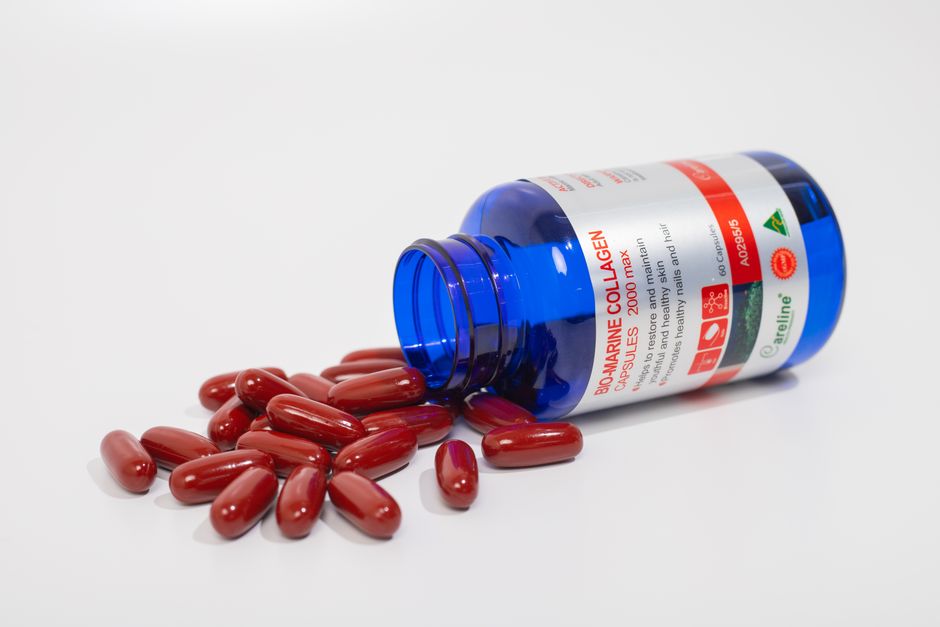
Yes, collagen peptides are easier to digest than whole collagen protein. Collagen peptides are broken down into smaller chains called peptides through a process called hydrolysis. This means your body does less work to absorb them. Whole collagen protein—found in gelatin or bone broth—is larger and requires more digestive effort. Both forms are digestible, but the peptides are more quickly and easily absorbed.
What Is the Difference Between Collagen Peptides and Whole Collagen?
Collagen is a structural protein found in skin, bones, tendons, and connective tissues. Its natural form is a long, tightly wound triple helix. For it to be digestible, that helix must be unraveled and broken into smaller pieces.
Whole collagen refers to the unprocessed or minimally processed protein. When you eat meat or fish, the collagen is cooked, which partially denatures it. But it remains in long chains that your digestive system must break down completely.
Collagen peptides are made by taking animal collagen and treating it with enzymes or acid to break it into shorter chains. This is partial digestion done before you eat it. The final product is a powder that dissolves in liquid. Gelatin is also partially hydrolyzed, but it forms longer chains than peptides, so it thickens when cooled.
In short: whole collagen is the raw material. Peptides are pre-digested collagen.
How Does the Body Digest Collagen Normally?
Digestion of any protein begins in the stomach. Stomach acid and an enzyme called pepsin start breaking protein chains into smaller pieces. Then the small intestine continues with enzymes from the pancreas, breaking proteins into individual amino acids and small peptides. These are then absorbed into the bloodstream.
Collagen has a unique amino acid profile. It is high in glycine, proline, and hydroxyproline. Hydroxyproline is rare in other proteins. Some research suggests that these amino acids may be absorbed differently, but the digestive process is the same.
For whole collagen, the initial breakdown takes longer because the protein structure is tough and fibrous. Cooking helps, but even cooked collagen (like in bone broth) still contains large protein fragments. The body must finish the job.
Collagen peptides bypass much of this initial work. They arrive in the small intestine already in small chains, so the body can absorb them more quickly. However, both forms ultimately supply the same amino acids.
Are Collagen Peptides Absorbed Better Than Whole Protein?
Some studies suggest that small peptides—especially dipeptides and tripeptides (two or three amino acids linked together)—can be absorbed directly into intestinal cells without being fully broken down. This is different from how most proteins are absorbed, which is as single amino acids.
Research published in the journal Amino Acids has shown that collagen hydrolysate (peptides) leads to higher levels of certain amino acids in the blood compared to intact collagen. But this does not automatically mean better health outcomes. Absorbing amino acids faster does not guarantee more collagen production or better skin or joint health.
The evidence is mixed. Some animal studies show improved absorption, but human studies are limited and often funded by supplement companies. A 2019 review in Nutrients noted that collagen peptides are well absorbed but that the clinical benefits remain uncertain. Faster absorption is real, but its practical significance is not fully proven.




What Does the Research Say About Collagen Peptide Absorption?
Several small human studies have measured blood levels of amino acids after taking collagen peptides versus whole protein. They consistently find higher peak levels of glycine, proline, and hydroxyproline with peptides. This suggests more rapid absorption.
One study gave participants 20 grams of collagen peptides or gelatin. Blood levels of hydroxyproline were significantly higher after peptides. Another study using labeled amino acids found that collagen peptides were absorbed within 30 minutes, while whole protein took longer.
But there is a catch. The body does not store amino acids long-term. If they are absorbed faster, they may also be cleared from the blood faster. For building collagen, what matters is the overall amount of amino acids available over time, not just the peak. More research is needed to know if the speed of absorption actually leads to more collagen synthesis in skin or joints.
No large, long-term human trials have confirmed that collagen peptides are clinically more effective than whole collagen for any specific outcome. The marketing often overstates the science.
Should You Choose Collagen Peptides or Whole Collagen?
This depends on your goals and practical preferences.
Collagen peptides are more convenient. They dissolve in cold or hot liquid, have no taste, and can be added to coffee, smoothies, or soups. They are also easier to digest if you have a sensitive stomach or low stomach acid. Many people find they cause less bloating than whole protein powders.
Whole collagen in the form of gelatin is cheaper per gram. It thickens liquids, so it works well for making gummies, puddings, or bone broth. It requires heat to dissolve. It may cause more digestive discomfort in some people because it takes longer to break down.
Bone broth is another whole collagen source. It contains gelatin and some collagen fragments, but the protein content is low compared to powdered collagen. You would need to drink several cups to get the same amount of protein as a scoop of powder.
From a digestive standpoint, collagen peptides are easier. From a nutritional standpoint, both forms provide the same amino acids. Neither is superior in terms of the raw building blocks. The choice comes down to personal tolerance, cost, and how you plan to use it.
Can Your Body Use Collagen You Eat to Build Collagen?
No matter what form you take, your body does not use collagen protein directly. It breaks it down into amino acids and then uses those amino acids to build its own proteins, including collagen.
Eating collagen does increase the availability of glycine, proline, and hydroxyproline. These are the specific amino acids needed to make collagen. Some research suggests having them available together may support collagen production more than a general protein source. But the body can also convert other amino acids into these, so the advantage may be small.
The key point is that your body makes its own collagen. Supplementing with collagen provides raw materials, not a shortcut. The digestive process is the same for all proteins—pieces are absorbed, then reassembled as needed.
Frequently Asked Questions
Is collagen easy to digest?
Collagen peptides are easy to digest because they are pre-hydrolyzed. Whole collagen or gelatin takes longer to break down but is still digestible for most people.
Are collagen peptides better than whole collagen protein?
Collagen peptides are absorbed more quickly and may cause less digestive upset. However, both forms provide the same amino acids, and long-term clinical benefits are not clearly different.
How long does it take to digest collagen peptides?
Collagen peptides can start appearing in the bloodstream within 30 minutes of ingestion. Whole collagen takes 1 to 2 hours or more to be fully broken down.
Does bone broth contain enough collagen for benefits?
Bone broth contains gelatin and some collagen fragments, but the protein amount per cup is low—typically 5 to 10 grams. You would need several cups to match a scoop of collagen powder.
