
Type III collagen is a structural protein that gives skin, blood vessels, and internal organs their stretch and shape. It works alongside Type I collagen to keep tissues firm yet flexible. As you age, your body produces less of it, which contributes to wrinkles, thinner skin, and weaker blood vessels.
What Is Type III Collagen and What Does It Do?
Think of collagen as the scaffolding inside your body. Type III collagen is specifically the “reticular” fibers — thin, branching strands that form a supportive mesh. You find it in high amounts in your skin, lungs, liver, spleen, and the walls of your arteries and intestines.
Its main job is to provide structural support while allowing tissues to stretch and bounce back. In your skin, Type III collagen is abundant in younger skin and helps maintain its plumpness. In blood vessels, it keeps artery walls strong but flexible enough to handle pressure changes.
One key fact many people miss: Type III collagen is the first collagen type your body makes when healing a wound. It forms the initial “patch” that later gets replaced by stronger Type I collagen. This means Type III is critical for injury repair, not just everyday maintenance.
How Is Type III Collagen Different From Type I and Type II?
There are at least 28 known types of collagen in the human body, but three types make up 80 to 90 percent of all collagen. Each has a distinct structure and location.
| Collagen Type | Primary Location | Main Function |
|---|---|---|
| Type I | Skin, bones, tendons, ligaments | Provides tensile strength — resists pulling forces |
| Type II | Cartilage | Cushions joints and absorbs shock |
| Type III | Skin, blood vessels, internal organs | Provides structural support with flexibility |
Type I is the most abundant and the strongest. Type II is exclusive to cartilage. Type III is the most flexible of the three. In healthy skin, about 80 percent is Type I and 15 to 20 percent is Type III. That ratio shifts as you age — Type III production declines faster than Type I.
Some collagen supplements claim to “target” Type III specifically. The evidence for that is not strong. Your body breaks down all collagen supplements into amino acids and then decides what to build. You cannot direct where those building blocks go.
What Causes Type III Collagen to Decline?
Several factors speed up the natural decline of Type III collagen. The biggest one is age. Research published in the Journal of Investigative Dermatology found that collagen production drops about one percent per year after age 20. Type III declines at a similar rate.
Sun exposure is the second major cause. Ultraviolet radiation breaks down collagen fibers directly, and Type III is especially vulnerable because it sits closer to the skin surface. The same study showed that sun-damaged skin had significantly less Type III collagen compared to protected skin of the same age.
Smoking also damages Type III collagen. The chemicals in cigarette smoke trigger enzymes called matrix metalloproteinases that degrade collagen. Smokers tend to develop wrinkles earlier and have thinner skin partly because of this collagen breakdown.
Other contributing factors include:
- High sugar intake — sugar molecules bind to collagen fibers and make them stiff and brittle
- Chronic stress — cortisol can suppress collagen synthesis
- Poor sleep — growth hormone, which supports collagen production, is released mostly during deep sleep
- Certain medications — long-term corticosteroid use is known to reduce collagen synthesis





Can You Increase Type III Collagen Naturally?
Your body can make Type III collagen, but it needs the right raw materials. The most important are the amino acids glycine, proline, and hydroxyproline. You also need vitamin C, copper, and zinc — these are cofactors that help enzymes assemble collagen strands.
Good food sources include bone broth, chicken skin, fish skin, and pork skin. These are rich in collagen itself. For vitamin C, citrus fruits, bell peppers, and strawberries are reliable sources. Copper is found in organ meats, nuts, and seeds. Zinc is abundant in oysters, beef, and pumpkin seeds.
Some studies suggest that vitamin C applied topically can stimulate collagen production in the skin. A 2017 review in Nutrients confirmed that vitamin C is essential for collagen synthesis and that topical application can increase collagen production in the dermis. This is one of the few topical ingredients with solid evidence behind it.
Retinoids, derived from vitamin A, also boost collagen production. Prescription tretinoin has the strongest evidence. Over-the-counter retinol is milder but still effective with consistent use. The American Academy of Dermatology notes that retinoids can improve fine wrinkles by stimulating collagen synthesis.
Do Collagen Supplements Help Type III Collagen?
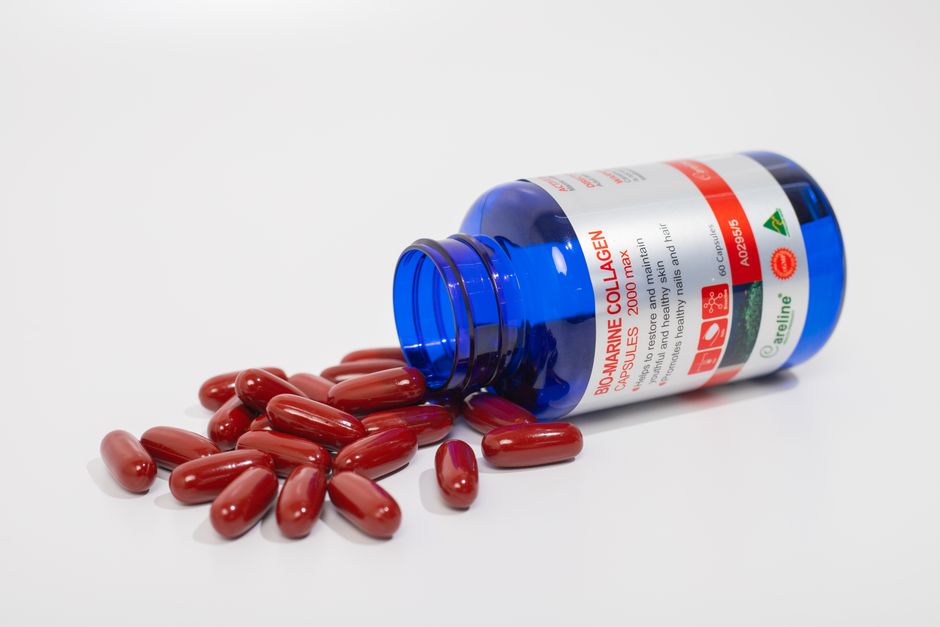
Collagen supplements are popular, but the evidence for Type III specifically is limited. Most collagen supplements come from bovine or marine sources and contain mostly Type I collagen. Some products advertise “Type I and III” collagen, meaning they contain both types from the source animal.
What the research does show: hydrolyzed collagen supplements can increase skin hydration, elasticity, and density. A 2019 meta-analysis in the Journal of Drugs in Dermatology reviewed 11 studies and found that collagen supplements improved skin firmness and moisture. But these studies measured general collagen effects, not Type III specifically.
The problem is that no supplement can guarantee Type III collagen production. When you ingest collagen peptides, your digestive system breaks them into amino acids and small peptides. Your body then uses these building blocks wherever it needs collagen — it does not prioritize Type III.
Some people report noticeable improvements in skin plumpness and joint comfort after taking collagen supplements. This is widely claimed, though strong evidence for targeted Type III benefits is limited. If you try supplements, look for products with hydrolyzed collagen and check for third-party testing. Results typically take 8 to 12 weeks of daily use.
What Are the Side Effects and Risks of Collagen Supplementation?
Collagen supplements are generally safe for most people. The most common side effects are mild digestive issues like bloating, heartburn, or a feeling of fullness. These usually go away after a few days as your body adjusts.
Some people are allergic to the source material. Fish-sourced collagen can cause reactions in people with fish allergies. Bovine collagen can be a problem for those with beef allergies. Always check the source on the label.
There is a theoretical concern about heavy metal contamination. Some marine collagen products have been found to contain trace amounts of lead or mercury. Choosing supplements that are third-party tested by organizations like USP or NSF can reduce this risk.
As of 2026, there is no clinical evidence that collagen supplements cause serious long-term harm. But the research is mostly short-term — studies rarely go beyond 12 months. If you have a medical condition like kidney disease, talk to your doctor before taking collagen supplements, as the high protein content could be a concern.
Frequently Asked Questions
What foods are highest in Type III collagen?
Bone broth, chicken skin, fish skin, and pork skin are the richest natural sources of Type III collagen.
Does vitamin C really help collagen production?
Yes, vitamin C is essential for collagen synthesis and topical vitamin C has been shown to increase collagen production in the skin.
Can you rebuild lost collagen in your skin?
You can stimulate new collagen production through topical retinoids, vitamin C, and protecting your skin from sun damage, but you cannot fully restore youthful levels.
Are collagen supplements worth taking for skin health?
Some studies show improvements in skin hydration and elasticity, but the evidence for targeting Type III collagen specifically is limited.
