
Sacroiliac joint pain is real, and it is common. The direct answer is that most people do not need surgery, and many find significant relief. However, a “cure” in the sense of making the joint permanently pain-free is often not the realistic goal. The realistic goal for most people is managing the pain, improving joint function, and returning to daily activities without constant discomfort. For many, the pain becomes manageable or goes away entirely with the right treatment plan.
What Exactly Is the Sacroiliac Joint?
You have two sacroiliac (SI) joints. One is on each side of your lower back. They connect your sacrum — the triangular bone at the base of your spine — to your ilium, which is part of your pelvis.
These joints are strong and strong. They are designed for stability, not a wide range of motion. Their job is to transfer the weight of your upper body to your legs and absorb shock when you walk or run. They move only a few millimeters in any direction. This small amount of movement is essential for absorbing impact, but it also means the joint can become irritated.
When the joint moves too much or too little, or when the surrounding ligaments and muscles are strained, you feel pain. This is what doctors call sacroiliac joint dysfunction.
How Do You Know the Pain Is From the SI Joint?
SI joint pain can be tricky to identify. It is often mistaken for other causes of lower back pain. The most common symptom is pain in the lower back and buttocks. The pain can also radiate down the back of one leg, sometimes reaching the knee or even the foot. This can feel similar to sciatica.
A few key signs can point toward the SI joint. The pain is often worse on one side. It tends to flare up when you stand up from a chair, climb stairs, or shift your weight while standing. Prolonged sitting can also make it worse.
Doctors use a combination of physical exams and medical history to diagnose SI joint pain. There is no single perfect test. One of the most reliable diagnostic tools is a diagnostic injection. A doctor injects a small amount of numbing medication directly into the joint. If your pain drops significantly for a few hours after the injection, it is strong evidence the SI joint is the source.
Imaging like X-rays, CT scans, or MRIs are usually used to rule out other problems, such as fractures or arthritis. They do not always show clear signs of SI joint dysfunction.
What Causes SI Joint Pain?
Several things can lead to SI joint pain. A sudden injury is one cause. A fall on the buttocks, a car accident, or a heavy lift can strain the ligaments around the joint.
Pregnancy is a common cause. During pregnancy, the body releases hormones that relax ligaments throughout the pelvis. This allows the SI joints to move more than they normally would, which can cause pain. The added weight of the baby also puts more stress on the joint.
Repetitive stress is another factor. Running on hard surfaces, especially with poor form or worn-out shoes, can irritate the joint over time. So can jobs that require a lot of standing, lifting, or twisting.
Some medical conditions are linked to SI joint pain. Ankylosing spondylitis, a type of inflammatory arthritis, often affects the SI joints first. Osteoarthritis can also wear down the cartilage in the joint. A leg length difference of even a small amount can change how you walk and put uneven stress on the joint.
In some people, the cause is never fully identified. That is frustrating, but it does not change the treatment approach.





What Are the Main Treatment Options?
Treatment for SI joint pain usually starts with conservative, non-invasive methods. Most people improve with these approaches alone.
Physical therapy is often the first line of treatment. A physical therapist can teach you specific exercises to strengthen the muscles around your pelvis and hips. Stronger gluteal and core muscles take pressure off the SI joint. They can also show you how to correct movement patterns that may be irritating the joint.
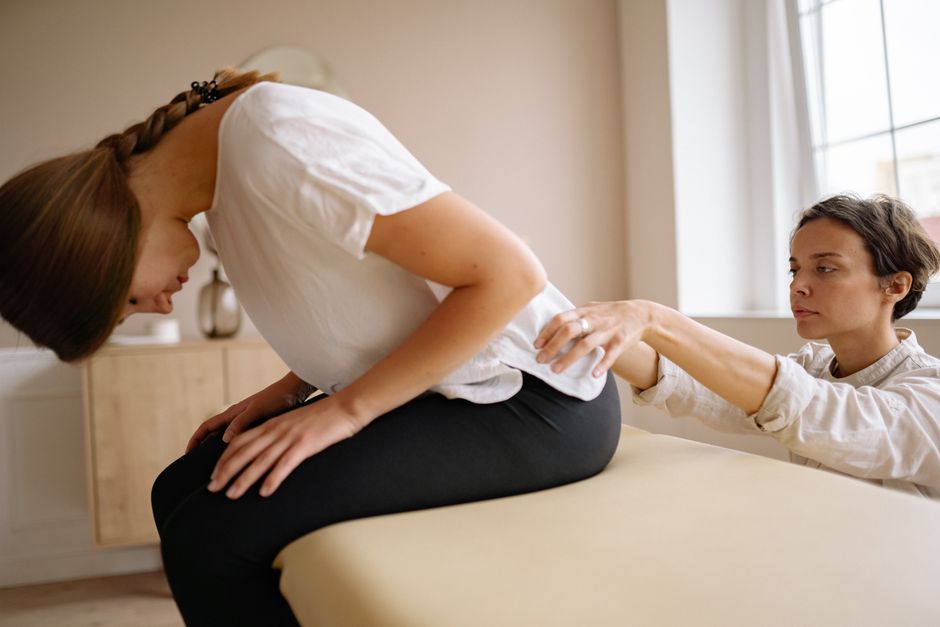
Manual therapy is a technique where a clinician uses their hands to mobilize the joint. This can help restore normal movement. It is often combined with physical therapy.
Pain medication can help during a flare-up. Over-the-counter nonsteroidal anti-inflammatory drugs (NSAIDs) like ibuprofen or naproxen can reduce inflammation and pain. These are meant for short-term use. Long-term use can cause stomach and kidney problems, so talk to your doctor about how long you should take them.
Ice and heat are simple but useful tools. Ice can help reduce acute inflammation. Heat can relax tight muscles and improve blood flow. Neither treats the root cause, but both can provide temporary relief.
If these conservative treatments do not work, your doctor might suggest a corticosteroid injection directly into the joint. This is the same type of injection used for diagnosis, but with a longer-acting medication. The steroid reduces inflammation in the joint. Relief can last for weeks or months. It is not a cure, but it can give you a pain-free window to make progress with physical therapy.
Can Sacroiliac Joint Pain Be Cured Without Surgery?
For most people, yes — the pain can resolve or become manageable without surgery. The key is consistency with conservative treatment.
The body has a remarkable ability to heal, but the SI joint is a load-bearing joint. It is under constant stress. Even after the initial injury heals, the surrounding muscles may remain weak or imbalanced. If you do not address that, the pain can return.
This is why physical therapy is so important. It is not just about feeling better today. It is about building strength and stability so the joint can handle daily stress without becoming painful again.
Some people find that their pain goes away completely and stays away. Others find that they have occasional flare-ups, especially after intense activity or long periods of sitting. For those people, the condition is managed, not cured. They learn what triggers their pain and how to respond to it quickly.
There is no single timeline for recovery. Some people feel better in a few weeks. Others need several months of consistent therapy. The evidence does not support any specific guarantee of a cure, and any source that promises one should be viewed with caution.
When Is Surgery Considered?
Surgery for SI joint pain is rare. It is only considered after a person has tried conservative treatment for at least six months without adequate relief. Even then, it is not for everyone.
The most common surgical procedure is called SI joint fusion. In this procedure, a surgeon places implants across the joint to hold the sacrum and ilium together. Once the bones fuse, the joint no longer moves, and the source of pain is eliminated.
Fusion is a major surgery. It involves a recovery period of several months. The evidence for its effectiveness is mixed. Some studies show significant improvement in pain and function for certain patients, but results vary widely. It is not a guaranteed cure, and some people continue to have pain after surgery.
Surgery should be a last resort, discussed carefully with an orthopedic surgeon who specializes in this area. The decision is highly individual and should be based on your specific anatomy, the cause of your pain, and your overall health.
What Can You Do Daily to Protect Your SI Joint?
Daily habits matter. Small changes can reduce stress on the joint and prevent flare-ups.
- Watch your sitting posture. Avoid sitting on a wallet in your back pocket. This tilts your pelvis and puts uneven pressure on the SI joint. Use a chair with good lumbar support and keep your feet flat on the floor.
- Change positions often. Do not sit or stand in one position for more than 30-45 minutes at a time. Even a brief walk around the room helps.
- Be careful with lifting. Always bend at your knees, not your waist. Hold heavy objects close to your body. Avoid twisting while lifting.
- Sleep on a supportive mattress. If you sleep on your side, place a pillow between your knees. This keeps your pelvis aligned.
- Wear supportive shoes. High heels and worn-out flats do not provide enough support. A shoe with good arch support reduces stress on your pelvis.
These habits will not cure an active flare-up, but they can prevent new ones. They are part of a long-term management strategy.
What About Supplements and Alternative Therapies?
You will see many products marketed for joint pain. The honest truth is that the evidence for most supplements is weak.
Glucosamine and chondroitin are often sold for joint pain. Some research suggests they may help with knee osteoarthritis, but the evidence for SI joint pain specifically is essentially absent. No large human trials have confirmed they help this condition.
Omega-3 fatty acids, found in fish oil, have anti-inflammatory properties. Some studies suggest they may reduce joint pain in general, but the effect is modest and it takes weeks or months to notice any difference. They are not a quick fix.
Turmeric and curcumin supplements are popular for inflammation. Some research indicates they may reduce pain in people with arthritis, but the quality of studies varies, and dosing is not standardized. No study has confirmed they are effective for SI joint dysfunction.
If you choose to try a supplement, talk to your doctor first. Some interact with medications. And be realistic about what they can do. A supplement will not fix a structural problem in your joint. It will not replace physical therapy or strength training.
Chiropractic care and acupuncture are options some people try. Some people report relief from these treatments. The evidence for their effectiveness in SI joint pain specifically is limited and mixed. They may be worth trying as part of a broader plan, but they should not replace physical therapy and exercise.
What Is the Long-Term Outlook?
The long-term outlook for SI joint pain is generally positive. Most people do not need surgery. Most people find a combination of treatment and lifestyle changes that makes their pain manageable.
It is important to be honest about what “manageable” means. For some, it means being entirely pain-free. For others, it means occasional pain that is mild and does not interfere with daily life. For a smaller group, it means ongoing pain that requires regular attention.
The people who do best are the ones who take an active role in their recovery. They do their physical therapy exercises. They pay attention to their posture. They learn their triggers and avoid them. They do not wait for a passive treatment to fix them.
If you are in pain now, start with a doctor’s visit. Get an accurate diagnosis. Then commit to a conservative treatment plan. Be patient with the process. Your joint has been under stress for a long time, and it will take time to build the strength and stability you need.
Frequently Asked Questions
How long does it take for SI joint pain to go away?
With consistent treatment, many people notice improvement within 6 to 12 weeks. Full recovery can take several months, and some people continue to have occasional flare-ups.
Can SI joint pain heal on its own without treatment?
Mild cases can improve on their own, but leaving it untreated often leads to chronic pain. Weak muscles and poor movement patterns tend to keep the joint irritated, so active treatment usually speeds recovery.
Is walking good or bad for SI joint pain?
Walking is generally good if done in moderation and with supportive shoes. Too much walking, especially on hard or uneven surfaces, can aggravate the joint, so listen to your body and rest when needed.
What makes SI joint pain worse at night?
Sleeping on your stomach or on a sagging mattress can twist your pelvis and strain the joint. Sleeping on your side with a pillow between your knees often reduces nighttime pain.
