
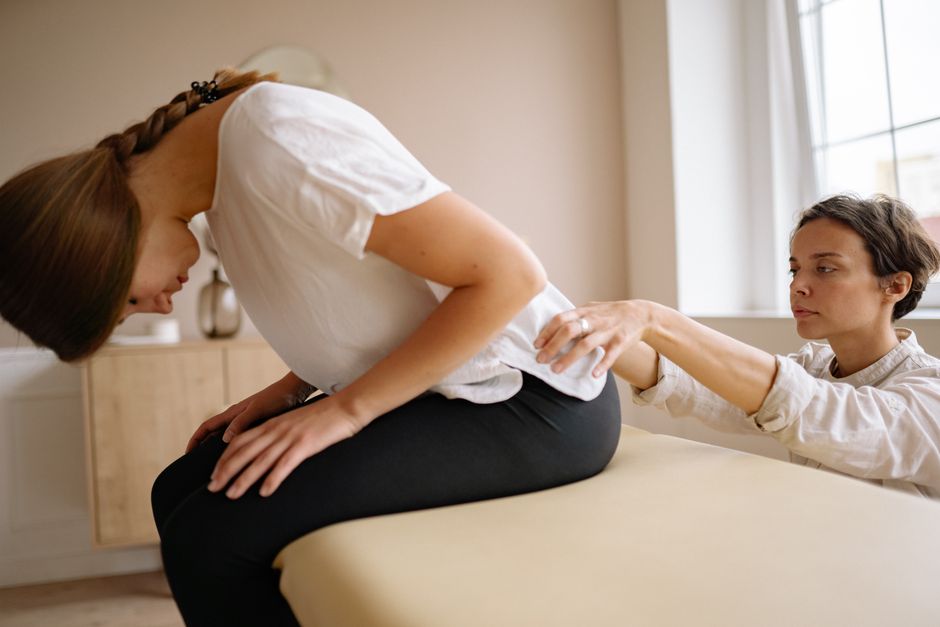
Back pain and constipation can occur together, and in some cases, one condition can contribute to or worsen the other. Studies show that people with chronic lower back pain report higher rates of gastrointestinal problems including constipation than the general population. This connection works both ways — nerve pathways, shared muscle groups, and pain-induced changes in posture and activity can create a cycle where back pain leads to constipation, or constipation worsens existing back pain.
How Does Back Pain Actually Cause Constipation?
The physical connection between your lower back and digestive system is more direct than most people realize. The nerves that control bowel movement originate in the lower spinal cord, specifically the sacral region. When back pain limits your mobility, you move less throughout the day. This reduction in physical activity slows down your digestive system. Your colon needs movement to push waste through effectively.
Pain medications commonly prescribed for back problems make this worse. Opioid painkillers are well-documented constipation triggers. Even non-opioid pain relievers and muscle relaxants can slow gut motility. Research published in the Journal of Pain Research found that up to 40% of chronic pain patients taking daily medication experience constipation as a side effect.
Changes in posture matter too. When your back hurts, you naturally adjust how you sit and stand to minimize discomfort. These compensatory postures can put pressure on your abdomen and reduce the natural movement that aids digestion. Sitting hunched over for extended periods compresses your intestinal tract.
Can Constipation Make Your Back Pain Worse?
The reverse relationship is equally real. When stool builds up in your colon, it creates internal pressure that can press against nerves and muscles in your lower back. A severely impacted colon can push backward against the lumbar spine, triggering or intensifying existing back discomfort.
Straining during bowel movements puts significant stress on your lower back muscles and ligaments. If you already have back pain, this repeated strain can set back your recovery. The Valsalva maneuver — bearing down to pass hard stool — increases pressure in your spinal discs.
Some people develop what researchers call viscerosomatic pain, where an internal organ problem causes pain in a seemingly unrelated area. Studies in the Clinical Journal of Pain have documented cases where treating constipation resolved mysterious lower back pain that had persisted for months.
What Medical Conditions Link Back Pain and Constipation?
Several specific conditions create a direct biological link between these symptoms. Cauda equina syndrome is the most serious — this occurs when the nerve bundle at the base of your spine becomes compressed. It causes both severe back pain and loss of bowel control or severe constipation. This is a medical emergency requiring immediate treatment.
Spinal stenosis, a narrowing of the spinal canal, can affect nerves that control bowel function. As of 2026, imaging studies show that moderate to severe stenosis in the lumbar region correlates with higher reports of chronic constipation in patients over 50.
Endometriosis can cause both lower back pain and constipation when tissue grows near the bowel or along pelvic nerves. Irritable bowel syndrome frequently appears alongside chronic lower back pain — research suggests shared hypersensitivity in nerve pathways between the gut and spine.
| Condition | How It Links Both Symptoms | Warning Signs |
|---|---|---|
| Cauda Equina Syndrome | Direct nerve compression affecting bowel control and legs | Sudden severe back pain, numbness in groin area, inability to urinate |
| Spinal Stenosis | Narrowed spinal canal pinches nerves to digestive system | Pain worsens when standing, improves when sitting or bending forward |
| Medication Side Effects | Pain medications slow digestive motility | Constipation started after beginning pain medication |
| Reduced Activity | Pain limits movement needed for normal bowel function | Increasingly sedentary lifestyle due to discomfort |





What Can You Do to Break the Cycle?
Treating both conditions simultaneously gives better results than addressing just one. Increasing your water intake helps soften stool while keeping spinal discs hydrated. Aim for at least eight glasses daily, more if you take medications that cause constipation.
Gentle movement helps both problems. Walking for 15-20 minutes after meals stimulates digestive activity without stressing your back. Swimming and water-based exercises provide movement without impact. Avoid complete bed rest even during pain flares — it makes both constipation and back pain worse.
Dietary fiber needs to increase gradually. Add soluble fiber from oats, beans, and fruits first. These are gentler than insoluble fiber from wheat bran, which can cause gas and bloating that worsens back discomfort. Work up to 25-30 grams daily over several weeks.
Practical steps to address both conditions:
- Schedule regular bathroom time each day, preferably after breakfast when digestive reflexes are naturally active
- Use a footstool to elevate your knees while sitting on the toilet — this straightens the rectum and reduces back strain during bowel movements
- Apply heat to your lower back for 15 minutes before attempting a bowel movement to relax muscles
- Ask your doctor about switching pain medications if constipation becomes severe
- Consider magnesium supplements, which can help both muscle tension and bowel regularity, but check with your doctor first
- Practice diaphragmatic breathing to reduce tension in your core and back muscles
When Should You See a Doctor About These Symptoms?
Certain combinations of symptoms require immediate medical evaluation. If you develop back pain along with sudden constipation and also experience numbness in your legs, groin, or buttocks, you need emergency care. These are signs of cauda equina syndrome, which can cause permanent nerve damage if not treated within hours.
See your doctor within a few days if constipation lasts more than a week despite home treatment, especially if accompanied by worsening back pain. Blood in your stool, unexplained weight loss, or severe abdominal pain alongside back pain warrant prompt evaluation. These could indicate conditions that need specific treatment.
If you notice your back pain consistently improves after having a bowel movement, this suggests the constipation is contributing significantly to your discomfort. Your doctor can help identify the primary problem and create a targeted treatment plan.
What Does Research on Chronic Pain and Digestive Problems Show?
Large population studies have found that people with chronic lower back pain are 1.5 to 2 times more likely to report regular constipation compared to those without back pain. A 2019 study in the European Journal of Pain followed 3,000 adults over five years and found this association held even after accounting for medication use and activity levels.
The gut-brain-spine axis is an emerging research area. Scientists have identified that chronic pain changes how your brain processes signals from internal organs. This can increase sensitivity to normal digestive sensations and slow gut motility. Evidence suggests this is not just about movement or medication — there are actual neurological changes that link these systems.
Some studies suggest probiotics might help both conditions, though the evidence remains moderate. Research on Bifidobacterium and Lactobacillus strains shows they may reduce pain sensitivity and improve bowel regularity. The effect sizes are modest — typically a 15-20% improvement — but some patients do report meaningful relief.
Physical therapy research shows that core strengthening exercises can improve both constipation and back pain. A 2021 study found that eight weeks of supervised core exercises reduced constipation episodes by 35% in people with chronic lower back pain. The exercises appeared to improve both muscle function and nerve signaling to the digestive system.
Frequently Asked Questions About Back Pain and Constipation
Can sciatica cause constipation?
Sciatica itself does not directly cause constipation, but the reduced mobility from sciatic pain can slow your digestive system. Pain medications taken for sciatica are a more common constipation trigger than the nerve compression itself.
How long does it take for constipation to cause back pain?
Severe constipation can cause back discomfort within 2-3 days as stool builds up and creates internal pressure. The pain typically improves within hours after a bowel movement if constipation was the primary cause.
Will treating my constipation fix my back pain?
If constipation is contributing to your back pain, treating it should provide some relief, though it rarely resolves back pain completely. Most people with both conditions need to address multiple factors including activity, posture, and any underlying spinal problems.
Can a herniated disc cause bowel problems?
A herniated disc can affect bowel function only if it compresses specific nerves in the lower spine that control the colon and rectum. This is uncommon with typical herniated discs but possible with severe central herniations in the lower lumbar or sacral regions.
