
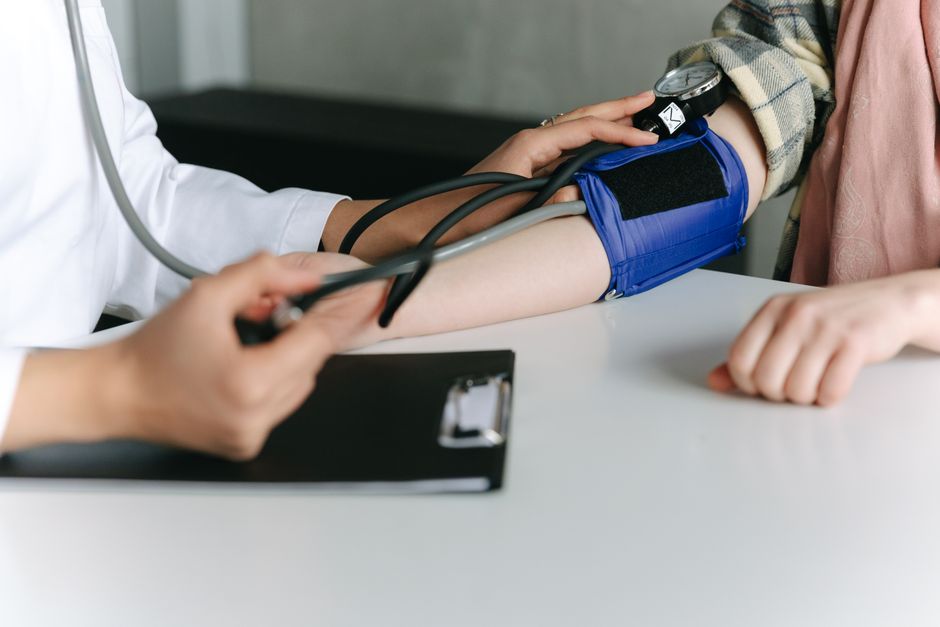
Blood pressure naturally changes as you age, but the target numbers do not change simply because you get older. For most adults, a healthy blood pressure reading is below 120/80 mmHg, regardless of whether you are 35 or 75. The second number matters just as much as the first. This guide explains what the numbers mean, how age factors in, and when your doctor might use a different target for you.
What Do The Blood Pressure Numbers Mean?
Blood pressure is measured with two numbers. The top number is systolic pressure. It measures the force in your arteries when your heart beats and pushes blood out. The bottom number is diastolic pressure. It measures the force in your arteries when your heart rests between beats.
Both numbers matter for your health. A reading of 135/85 means your systolic pressure is elevated and your diastolic pressure is also above the normal range. You cannot ignore one number just because the other looks fine.
Blood pressure is not a fixed number. It rises and falls throughout the day based on activity, stress, posture, and even the time of day. A single high reading does not mean you have high blood pressure. Doctors confirm a diagnosis by taking multiple readings on separate occasions.
What Is The Right Blood Pressure By Age And Condition?
For the general adult population, the standard healthy target is below 120/80 mmHg. This applies to adults of all ages. The idea that older adults should tolerate higher blood pressure is outdated and not supported by current evidence.
Clinical guidelines classify blood pressure into categories:
- Normal: Below 120/80 mmHg
- Elevated: Systolic 120–129 and diastolic below 80
- Stage 1 hypertension: Systolic 130–139 or diastolic 80–89
- Stage 2 hypertension: Systolic 140 or higher or diastolic 90 or higher
- Hypertensive crisis: Systolic above 180 and/or diastolic above 120 — seek emergency care
These categories come from major clinical guidelines and are the same for men and women. Age alone does not move you into a different category. A 70-year-old with a reading of 135/85 has Stage 1 hypertension just like a 40-year-old with the same numbers.
Does Age Change The Target Blood Pressure?
Age changes how your blood vessels respond and how stiff they become, but it does not change the definition of healthy blood pressure. Arteries naturally lose some elasticity as you age. This can push systolic pressure higher. That does not make it safe.
The evidence is clear that treating high blood pressure in older adults reduces the risk of heart attack, stroke, and death. Some research suggests that adults over 65 may benefit from a slightly higher treatment target of below 130/80 rather than below 120/80. This is a treatment goal, not a definition of normal.
Your doctor may choose a higher target if you have certain health conditions. For example, if you experience dizziness when standing or have a condition that makes your blood pressure drop suddenly, aggressive treatment may not be safe. These decisions are made individually, not based on age alone.


Blood Pressure Targets For Specific Health Conditions
Some conditions change the recommended blood pressure target. These are general clinical directions, but your doctor will personalize them based on your full health picture.
Diabetes: People with diabetes have historically been advised to keep blood pressure below 130/80. Some newer evidence questions whether the lower target adds benefit beyond the standard 140/90 threshold. Most clinicians still aim for below 130/80 in younger patients with diabetes because it reduces kidney damage risk.
Chronic kidney disease: The target is typically below 130/80. Lower blood pressure helps slow the decline in kidney function. This is one of the few conditions where the lower target has strong supporting evidence.
Heart disease: After a heart attack or stroke, doctors usually aim for below 130/80. Reducing pressure on damaged arteries lowers the risk of another event.
Pregnancy: Blood pressure targets during pregnancy differ. Readings of 140/90 or higher require evaluation. Some pregnancy-related conditions like preeclampsia need treatment at lower thresholds. No clinical guidelines recommend a single target for all pregnant women because individual risk varies significantly.
Why Blood Pressure Rises With Age
Understanding why blood pressure rises helps explain why age alone does not justify accepting higher numbers. The main driver is arterial stiffness. Over decades, the walls of your arteries accumulate collagen and lose elastin. This makes them less flexible.
When arteries are stiff, the heart works harder to push blood through them. Systolic pressure rises because the arteries cannot expand to absorb the force of each heartbeat. Diastolic pressure may stay stable or even drop because stiff arteries do not maintain pressure well between beats.
This is why many older adults develop isolated systolic hypertension — high top number with normal bottom number. It is still hypertension. It still requires treatment.
Other age-related factors contribute too. The kidneys become less efficient at regulating salt and fluid. The nervous system becomes less responsive at adjusting blood pressure quickly. These changes make blood pressure less stable and more likely to run high.
How Is Blood Pressure Measured Correctly?
Accurate measurement matters because treatment decisions depend on the numbers. Many people have higher readings in a doctor’s office due to anxiety. This is called white coat hypertension. Others have normal office readings but high readings at home, which is called masked hypertension.
For a reliable reading at home, follow these steps:
- Sit quietly for five minutes before measuring
- Sit with your back supported and feet flat on the floor
- Place the cuff on bare skin at heart level
- Do not talk during the measurement
- Take two readings one minute apart and record both
Home monitoring gives your doctor a more complete picture than occasional office readings. If you monitor at home, use a validated upper-arm cuff. Wrist monitors are less reliable.
When Should You Be Concerned About A High Reading?
A single high reading is not an emergency unless it is extremely high. If your reading is above 180/120, wait a few minutes and recheck. If it remains that high, seek emergency medical care, especially if you have chest pain, shortness of breath, vision changes, or difficulty speaking.
Readings in the 130–139/80–89 range do not require emergency care, but they do require attention. This range was once considered acceptable. Current guidelines classify it as Stage 1 hypertension because evidence shows it increases cardiovascular risk.
If your readings are consistently above 130/80, talk to your doctor about next steps. Treatment may begin with lifestyle changes like reducing sodium, increasing physical activity, and managing stress. Medication may be added if lifestyle changes are not enough or if your risk is already high.
Lifestyle Factors That Actually Lower Blood Pressure
Lifestyle changes are the foundation of blood pressure management. They work for most people, but they take time. Expect several weeks to see meaningful change.
Reducing sodium has the strongest evidence of any dietary change. Most Americans consume far more sodium than needed. Cutting processed foods and restaurant meals is the most effective way to reduce intake. The general recommendation is to stay under 2,300 mg per day, with 1,500 mg being a reasonable target for people with hypertension.
Increasing potassium helps counterbalance sodium. Good sources include bananas, potatoes, spinach, and beans. People with kidney disease should not increase potassium without medical advice because their kidneys may not clear it effectively.
Physical activity lowers blood pressure both immediately after exercise and over the long term. Aerobic exercise like walking, swimming, or cycling has the strongest evidence. Aim for at least 150 minutes of moderate activity per week.
Alcohol reduction matters if you drink. Heavy drinking raises blood pressure. Limiting intake to no more than one drink per day for women and two for men helps keep readings lower.
Weight loss produces reliable reductions. Losing even 5–10% of body weight can lower systolic pressure by several points. The effect is dose-dependent — more weight loss produces bigger reductions.
Can You Lower Blood Pressure Without Medication?
For people with elevated blood pressure or mild Stage 1 hypertension, lifestyle changes may be enough to bring readings back to normal. This depends on your overall cardiovascular risk. Someone with diabetes or kidney disease may need medication even at lower readings.
For Stage 2 hypertension, lifestyle changes alone are rarely sufficient. Most people in this category need medication to bring blood pressure down to safe levels. This is not a failure. Hypertension is a medical condition, and medication is an effective treatment.
Some people can reduce or stop medication after sustained lifestyle changes. This must be done under medical supervision. Stopping blood pressure medication suddenly can cause dangerous spikes in pressure.
What About Natural Supplements And Alternative Treatments?
Many supplements are marketed for blood pressure. The evidence for most is weak. Some research suggests that hibiscus tea, beetroot juice, and garlic extract may produce modest reductions. The effect sizes in studies are small, and results vary.
No supplement has been proven to replace medication for people with confirmed hypertension. Marketing claims that a supplement can “naturally cure” high blood pressure are not supported by clinical evidence. If a product promises dramatic results, treat that claim with skepticism.
Some supplements can interfere with blood pressure medications. Potassium supplements combined with certain diuretics can cause dangerous potassium levels. Always tell your doctor about every supplement you take.
Frequently Asked Questions
What is a normal blood pressure for a 70-year-old?
A normal blood pressure for a 70-year-old is below 120/80 mmHg, the same as for younger adults. Some doctors use a treatment target of below 130/80 for older patients, but that is a treatment goal, not a definition of normal.
Is 150/90 blood pressure dangerous?
Yes, 150/90 is Stage 2 hypertension and increases your risk of heart attack and stroke. You should see a doctor to discuss treatment options rather than waiting for the number to come down on its own.
Can drinking more water lower blood pressure?
Drinking water helps if you are dehydrated, but it does not treat chronic high blood pressure. Proper hydration supports normal circulation, but it cannot correct the underlying vascular changes that cause hypertension.
What time of day should I check my blood pressure?
Check at the same times each day, typically in the morning before eating and in the evening before bed. Consistency matters more than the specific time because it lets you and your doctor see patterns.
