
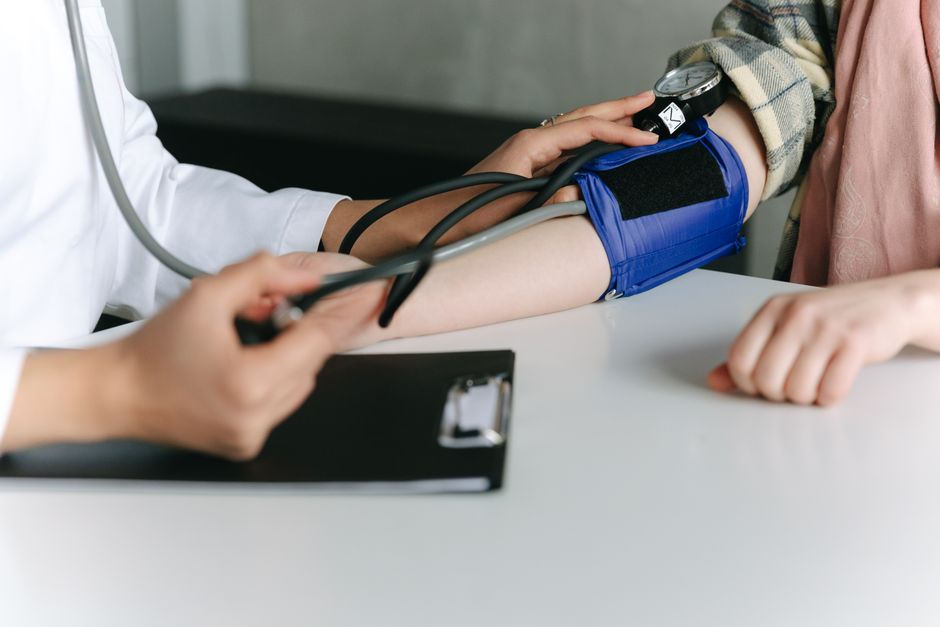
Low blood pressure can leave you feeling dizzy, lightheaded, and fatigued. If you need to raise your numbers quickly, the most reliable home strategies are increasing your fluid and salt intake, changing your body position, and wearing compression garments. These methods address the two main drivers of blood pressure: blood volume and blood vessel tone.
How To Bring Up Your Blood Pressure At Home?
The fastest way to raise blood pressure at home is to drink a glass of water and eat something salty. This combination expands your blood volume, which increases the pressure inside your arteries. For a more immediate effect, lie down with your legs elevated above heart level to improve blood flow to the brain.
These are short-term fixes. They treat symptoms, not the underlying cause. If you have frequent episodes of low blood pressure, you need to identify why it is happening.
What Causes Low Blood Pressure?
Blood pressure below 90/60 mmHg is considered low. Some people live at this level without symptoms. Others experience dizziness, fainting, blurred vision, or nausea.
Common causes include dehydration, certain medications, and underlying conditions like diabetes or heart problems. Blood pressure also drops naturally after meals because blood flows to the digestive tract. Standing up too quickly can cause a temporary drop, a condition called orthostatic hypotension.
Some medications lower blood pressure as a side effect. These include diuretics, alpha-blockers, and some antidepressants. If you suspect a medication is causing your symptoms, talk to your doctor before making changes. Stopping a blood pressure medication suddenly can cause dangerous spikes.
How Does Hydration and Salt Affect Blood Pressure?
Your body needs enough fluid to keep your blood volume at a normal level. When you are dehydrated, your blood becomes more concentrated and your blood vessels constrict to compensate. This can lower overall pressure and reduce blood flow to your brain.
Drinking water increases blood volume within minutes. A rapid intake of about 16 ounces of water can raise blood pressure in healthy adults, though the effect is modest and temporary. The response is stronger in people who are dehydrated.
Sodium works differently. Salt pulls water into your bloodstream, which increases blood volume. This is why a salty snack can help raise blood pressure. The effect is more pronounced in people who are salt-sensitive, which includes many older adults and people with kidney issues.
There is no official guideline for how much extra salt someone with low blood pressure should consume. That recommendation must come from a doctor, especially if you have heart or kidney conditions. More salt is not always better.

What Body Positions Help Raise Blood Pressure?
Gravity affects blood pressure more than most people realize. When you stand, blood pools in your legs. This reduces the amount of blood returning to the heart, which lowers blood pressure.
If you feel lightheaded, sit down immediately. Lower your head between your knees. This position encourages blood flow toward the brain. Lying flat also helps, but elevating your legs above heart level works faster because it uses gravity to push blood back toward your chest.
When you need to stand up, do it slowly. Sit on the edge of the bed for a minute before standing. Then stand and wait a few seconds before walking. This gives your body time to adjust your heart rate and blood vessel tone.
Another useful trick is the countermaneuver. This involves tensing your leg muscles, crossing your legs while standing, or clenching your fists. These actions compress the veins in your limbs, which pushes blood upward and raises blood pressure. This technique works best for people with orthostatic hypotension.
Can Compression Garments Help?
Compression stockings apply pressure to your legs. This pressure prevents blood from pooling in your lower limbs and keeps more blood in your chest and brain. They are commonly used to treat orthostatic hypotension and are often recommended by doctors for this purpose.
Compression stockings come in different strengths. Over-the-counter versions provide mild pressure. Prescription versions offer stronger compression. A healthcare provider can help you choose the right level.
Waist-high compression garments are generally more effective than knee-high ones. This is because they also compress the abdomen, which holds a significant amount of blood. Knee-high stockings help, but they do not address the abdominal blood pooling.
Compression garments are a management tool, not a cure. They need to be worn consistently to be effective. Some people find them uncomfortable, especially in warm weather.
What About Caffeine and Other Quick Fixes?
Caffeine can temporarily raise blood pressure by constricting blood vessels. A cup of coffee can produce a measurable increase within 30 minutes. The effect lasts for a few hours.
However, caffeine is not a reliable long-term solution. Regular caffeine consumption builds tolerance, which reduces the blood pressure response over time. Relying on caffeine for blood pressure management can also disrupt sleep, which may worsen overall cardiovascular health.
Sugar can also raise blood pressure briefly, but the effect is indirect and short-lived. It causes a rapid rise in blood sugar, which triggers fluid shifts. This is not a healthy or sustainable approach.
When Should You See a Doctor?
Occasional lightheadedness that resolves quickly is usually not a medical emergency. But frequent symptoms, fainting, or blood pressure readings consistently below 90/60 mmHg warrant a medical evaluation.
Seek immediate medical care if low blood pressure is accompanied by chest pain, shortness of breath, confusion, or cold, clammy skin. These symptoms can indicate a serious condition like internal bleeding, a heart attack, or sepsis.
Your doctor can determine whether your low blood pressure is a condition itself or a symptom of something else. They may review your medications, run blood tests, or order an electrocardiogram. Sometimes the cause is treatable, and your blood pressure returns to normal once the underlying issue is addressed.
No clinical guidelines currently exist for self-managing chronic low blood pressure without medical supervision. The strategies described here are for temporary relief, not ongoing treatment.
Frequently Asked Questions
How quickly can drinking water raise blood pressure?
Drinking about 16 ounces of water can raise blood pressure within 5 to 15 minutes in some people. The effect is modest and usually lasts for about an hour.
Is it safe to add more salt to my diet for low blood pressure?
Only if your doctor recommends it. Extra salt can raise blood pressure, but it can also harm your kidneys and heart if you have certain conditions.
Can compression stockings replace medication for low blood pressure?
No, compression stockings are a supportive measure, not a replacement for prescribed treatment. They can reduce symptoms but do not address the underlying cause of low blood pressure.
Does lying down with legs elevated actually help?
Yes, elevating your legs above heart level uses gravity to move blood back toward your chest and brain. It is one of the most effective immediate responses to feeling faint.
