

The relationship between vitamin B12 and blood pressure is indirect but real. B12 helps control homocysteine, an amino acid linked to blood vessel damage and high blood pressure when levels get too high. B12 is also needed to make red blood cells, and a deficiency can cause anemia, which affects how your heart works. But taking B12 supplements is not a proven treatment for high blood pressure in people with normal B12 levels.
What is vitamin B12 and what does it do?
Vitamin B12 is a water-soluble vitamin your body needs for several essential jobs. It helps make DNA, keeps nerve cells healthy, and helps produce red blood cells. Your body cannot make B12 on its own. You get it from animal foods like meat, fish, eggs, and dairy, or from fortified foods and supplements.
B12 is also important for breaking down homocysteine. Homocysteine is an amino acid that naturally builds up in your blood. Without enough B12, homocysteine levels can rise. High homocysteine is a known risk factor for heart disease, stroke, and high blood pressure. This is where the link between B12 and blood pressure becomes clear.
How does B12 affect blood pressure through homocysteine?
Homocysteine is processed in your body using B12, folic acid, and vitamin B6. When B12 is low, homocysteine can accumulate. Over time, high homocysteine can damage the inner lining of blood vessels. This damage makes arteries stiff and less able to expand, which raises blood pressure.
Research has found that people with high homocysteine levels are more likely to have hypertension. Some studies suggest that lowering homocysteine with B vitamins might reduce blood pressure, but the evidence is not strong enough to recommend B12 supplements for this purpose alone. The effect, if it exists, is modest and depends on whether a person already has high homocysteine.
Can low B12 cause high blood pressure?
There is no direct cause-and-effect relationship between low B12 and high blood pressure in most people. The link runs through homocysteine. A B12 deficiency can raise homocysteine, and elevated homocysteine is associated with higher blood pressure. But many people with high blood pressure have normal B12 levels, and many people with low B12 have normal blood pressure.
Severe B12 deficiency can also cause a type of anemia called megaloblastic anemia. Anemia forces your heart to work harder to deliver oxygen, which can increase heart rate and in some cases affect blood pressure. However, this is not a common cause of high blood pressure. Anemia typically causes symptoms like fatigue and shortness of breath rather than hypertension.
It is also worth noting that some conditions that cause B12 deficiency, such as atrophic gastritis or Crohn’s disease, can affect nutrient absorption and lead to other vitamin deficiencies. These complicating factors make it difficult to isolate B12 alone.


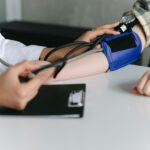


What Is The Relationship Between B12 And Blood Pressure in people with normal levels?
For people who have adequate B12 levels, taking extra B12 will not change their blood pressure. Your body simply excretes excess water-soluble B12 in urine. There is no evidence that megadoses of B12 lower blood pressure in healthy individuals with normal homocysteine.
B12 is not a blood pressure medication. If your blood pressure is high, the first-line treatments are lifestyle changes—reducing sodium, increasing physical activity, managing weight—and, if needed, prescription medications. B12 supplementation is only relevant if you are deficient, and even then the primary goal is to correct the deficiency, not to treat blood pressure.
Can B12 supplements lower blood pressure if you are deficient?
If you have a confirmed B12 deficiency, correcting it can lower homocysteine and may reduce blood pressure slightly if homocysteine was elevated. Some research has shown that giving B12 and folic acid to people with high homocysteine can lower systolic blood pressure by a few points. But the effect is small and inconsistent across studies.
No large, high-quality trial has ever shown that B12 supplementation alone is an effective treatment for hypertension. The American Heart Association does not list B12 as part of standard management for high blood pressure. The best approach is to treat the underlying cause of deficiency—such as diet or absorption problems—and then monitor blood pressure as a separate risk factor.
How do you know if your B12 is low?
B12 deficiency can cause vague symptoms before it becomes severe. Common signs include fatigue, weakness, pale skin, numbness or tingling in hands and feet, trouble walking, memory problems, and a smooth red tongue. These symptoms overlap with many other conditions, so the only reliable way to know is through a blood test.
Normal B12 levels are typically between 200 and 900 pg/mL, but some people begin to have symptoms at levels below 350 pg/mL. If you are concerned about your B12 status, talk to your doctor. A simple blood test can confirm your level. Do not guess or supplement based on symptoms alone.
Certain groups are at higher risk for deficiency: older adults, people who follow a strict vegan or vegetarian diet, people with pernicious anemia, those who have had gastric bypass surgery, and people taking long-term acid-blocking medications like omeprazole.
Should you take B12 for your blood pressure?
Unless you have a deficiency, there is no medical reason to take B12 to manage blood pressure. The evidence does not support using B12 as a treatment for hypertension. High blood pressure is a complex condition with multiple causes, and it usually requires a comprehensive management plan.
That said, B12 is a safe vitamin with a low risk of toxicity. If you eat a vegan diet or have a condition that affects absorption, a B12 supplement is a good idea for overall health. Just do not expect it to normalize your blood pressure. Focus on proven strategies: eat a balanced diet low in salt, exercise regularly, limit alcohol, and take any prescribed medications as directed.
What about folic acid and B6?
B12 works together with folic acid (vitamin B9) and vitamin B6 to lower homocysteine. Some studies have looked at these B vitamins as a group. The results are mixed. A large trial called the HOPE-2 study found that a combination of B12, B6, and folic acid lowered homocysteine but did not reduce the risk of major cardiovascular events. Other studies have shown a small reduction in stroke risk in regions where folic acid fortification is not mandatory.
This means that even when homocysteine goes down, it does not always translate into better blood pressure or fewer heart problems. The relationship is not straightforward. Researchers are still trying to understand why lowering homocysteine does not consistently help the heart.
The bottom line on B12 and blood pressure
The relationship between B12 and blood pressure is mainly through homocysteine. Low B12 raises homocysteine, and high homocysteine is linked to high blood pressure and blood vessel damage. Correcting a B12 deficiency can lower homocysteine and may have a small effect on blood pressure, but it is not a primary treatment for hypertension.
If you have high blood pressure, the most effective steps are those with strong evidence: eat less sodium, exercise, maintain a healthy weight, and follow your doctor’s advice on medications. B12 is important for your overall health, but it is not a blood pressure cure.
Frequently Asked Questions
Can B12 deficiency cause high blood pressure?
Not directly, but it can raise homocysteine levels, which are linked to higher blood pressure and blood vessel damage.
Does taking B12 supplements lower blood pressure?
Only in people who are deficient, and even then the effect is small and not consistent enough to be a recommended treatment.
What are the symptoms of B12 deficiency?
Common symptoms include fatigue, weakness, numbness or tingling in the hands and feet, memory problems, and a smooth red tongue.
How much B12 should I take for blood pressure?
No specific dose is recommended for blood pressure. If you are deficient, the standard treatment is usually 1,000 mcg daily or weekly injections as directed by your doctor.
