
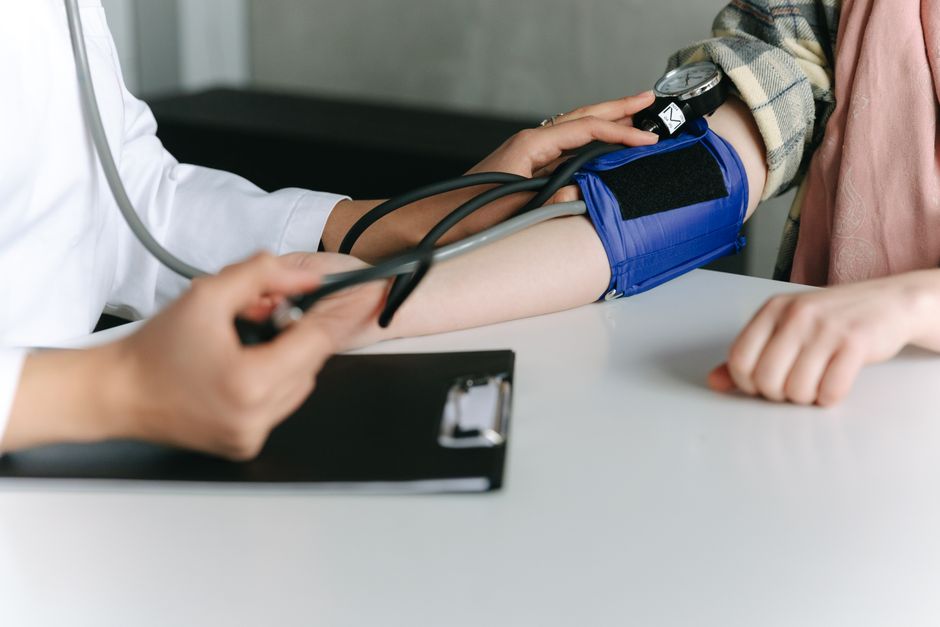
High blood pressure rarely announces itself. Most people feel nothing at all while their arteries quietly take damage. That silence is why it is called the “silent killer” — and why the steps that lower it matter even when you feel perfectly fine.
So how do you get your blood pressure down? The most effective approach combines daily habits that are proven to lower readings over weeks and months: cutting sodium, eating more potassium-rich foods, moving your body regularly, limiting alcohol, and losing excess weight if you carry it. For many people, these changes lower blood pressure meaningfully. For others, they work alongside medication rather than replacing it. The two are not competitors.
What follows is what the evidence actually supports — and where it is thinner than the internet suggests.
What Counts as High Blood Pressure?
A normal reading is below 120/80 mmHg. The top number is systolic pressure — the force against your artery walls when your heart beats. The bottom number is diastolic pressure — the pressure between beats, while your heart refills.
Guidelines in the United States classify readings as follows. These thresholds come from major cardiology organizations and are widely used in clinical practice.
| Category | Systolic (mmHg) | Diastolic (mmHg) |
|---|---|---|
| Normal | Below 120 | Below 80 |
| Elevated | 120–129 | Below 80 |
| Stage 1 hypertension | 130–139 | 80–89 |
| Stage 2 hypertension | 140 or higher | 90 or higher |
A single high reading does not mean you have hypertension. Blood pressure fluctuates through the day. Diagnosis usually requires multiple elevated readings over time, often confirmed with measurements taken at home or over 24 hours.
One clarification worth knowing: the threshold for starting medication is not the same as the threshold for a diagnosis. Someone with Stage 1 hypertension and low overall cardiovascular risk may be advised to try lifestyle changes first. Someone with diabetes, kidney disease, or existing heart disease may be advised to start medication at the same reading. The number matters, but so does your total risk picture.
How Do You Get Your Blood Pressure Down With Diet?
Diet is one of the most powerful levers you have. The pattern with the strongest evidence behind it is often called the DASH eating plan — Dietary Approaches to Stop Hypertension. It emphasizes vegetables, fruits, whole grains, lean protein, and low-fat dairy, while limiting saturated fat, cholesterol, and sodium.
Research funded by the National Institutes of Health found that the DASH pattern lowered blood pressure in adults with and without hypertension. Combining DASH with reduced sodium produced larger reductions than either approach alone.
Where sodium fits
Sodium reduction lowers blood pressure for most people, though the size of the effect varies. People who are salt-sensitive — a group that includes many older adults and many Black adults — tend to see larger drops. Others see smaller ones.
Most sodium in the American diet does not come from the salt shaker. It comes from packaged foods, restaurant meals, deli meat, canned soup, bread, and cheese. Reading labels and cooking more meals at home often reduces sodium more than any single swap.
Federal dietary guidance recommends limiting sodium to 2,300 mg per day for most adults. The American Heart Association suggests an ideal limit closer to 1,500 mg per day, particularly for people with hypertension. Both are reasonable targets. Getting from a typical intake to either one is a meaningful change.
Where potassium fits
Potassium helps the body excrete sodium and eases tension in blood vessel walls. Foods rich in potassium include beans, lentils, potatoes, bananas, spinach, and yogurt.
One caution here. Potassium supplements are not the same as potassium from food, and for people with kidney disease or those taking certain medications — ACE inhibitors, ARBs, or potassium-sparing diuretics — high potassium intake can be dangerous. If any of those apply to you, talk to your clinician before increasing potassium.
Does Exercise Lower Blood Pressure?
Yes. Regular physical activity lowers blood pressure in most people who do it consistently. Both aerobic exercise and resistance training have evidence behind them.
Federal physical activity guidelines recommend at least 150 minutes of moderate-intensity aerobic activity per week for adults, plus muscle-strengthening activity on two or more days per week. That works out to roughly 30 minutes on most days. Walking briskly, cycling, swimming, and jogging all count.
The blood pressure benefit shows up within weeks of starting, and it fades if you stop. Consistency matters more than intensity. A person who walks 30 minutes five days a week will generally see more benefit than someone who does one hard workout and nothing else.
Resistance training does not raise resting blood pressure when done properly. It lowers it. The old advice to avoid lifting weights if you have hypertension is outdated for most people, though very heavy lifting with breath-holding can spike pressure temporarily during the effort. If your blood pressure is severely elevated or you have other heart conditions, check with your clinician before starting a new program.




What About Alcohol, Weight, and Sleep?
These three factors are easy to overlook and often make a bigger difference than people expect.
- Alcohol. Drinking more than moderate amounts raises blood pressure. Federal guidance defines moderate drinking as up to one drink per day for women and up to two per day for men. Reducing intake — not just switching types of alcohol — tends to lower readings.
- Weight. Blood pressure tends to rise with body weight and fall with weight loss. Losing even a modest amount of weight can lower readings, and the effect grows with more loss.
- Sleep. Short sleep and untreated sleep apnea are both linked to higher blood pressure. Sleep apnea is common and often undiagnosed. If you snore heavily, wake gasping, or feel exhausted despite a full night, that is worth raising with a clinician.
Smoking deserves its own line. It does not cause chronic high blood pressure in the way sodium or weight do, but every cigarette temporarily spikes blood pressure and damages blood vessels over time. Quitting is one of the highest-value things a smoker can do for cardiovascular health, even though it is not typically framed as a blood pressure intervention.
Can Lifestyle Changes Replace Medication?
Sometimes, but not always, and the honest answer depends on how high your blood pressure is and what else is going on in your body.
For people with mildly elevated readings and low overall cardiovascular risk, lifestyle changes alone are often the first approach, with medication added later if readings do not improve. For people with Stage 2 hypertension, existing heart disease, diabetes, or kidney disease, medication is usually started alongside lifestyle changes rather than after them.
This is not a failure of willpower. Hypertension has strong genetic and age-related components. Many people who eat well, exercise, and maintain a healthy weight still develop high blood pressure. The arteries stiffen with age regardless of lifestyle.
What lifestyle changes can do, even when medication is needed, is lower the dose required and improve overall cardiovascular risk. They work with medication, not against it.
One important warning: never stop or reduce a blood pressure medication on your own because your readings improved. Readings often improve because the medication is working. Stopping abruptly can cause a dangerous rebound. Any change should be made with your clinician.
How Long Until You See Results?
Some changes show up quickly. A single bout of exercise can lower blood pressure for hours afterward. Reducing sodium can produce measurable changes within days to a few weeks. Weight loss and sustained exercise typically show their full effect over one to three months.
That timeline is approximate. Individual responses vary widely. Some people respond strongly to sodium reduction and barely at all to exercise, or the reverse. The only way to know what works for you is to measure.
Home blood pressure monitors are widely available and reasonably accurate when used correctly. Measure at the same time each day, sit quietly for five minutes first, keep your feet flat, and rest your arm at heart level. Take two or three readings a minute apart and average them. Bring the log to your appointments.
What does not work, despite what you may read online: drinking large amounts of celery juice, taking unregulated “blood pressure support” supplements, or relying on any single food to fix the problem. Some supplements can interact with blood pressure medications. No clinical evidence currently confirms that these approaches lower blood pressure on their own.
Frequently Asked Questions
Can you lower blood pressure without medication?
Yes, for some people with mildly elevated readings, lifestyle changes alone can bring blood pressure into a normal range. Whether that applies to you depends on how high your readings are and your overall cardiovascular risk, so it is a decision to make with a clinician.
What is the fastest way to lower blood pressure?
Reducing sodium intake and starting regular aerobic exercise tend to produce measurable changes within days to a few weeks. There is no instant fix — sustained changes in diet, activity, alcohol, and weight are what move readings over time.
Does walking every day lower blood pressure?
Yes. Regular brisk walking is one of the best-supported forms of exercise for lowering blood pressure, and federal guidelines recommend at least 150 minutes of moderate activity per week. The benefit fades if you stop, so consistency matters more than intensity.
Can stress alone cause high blood pressure?
Stress causes temporary spikes in blood pressure, but whether chronic stress causes lasting hypertension is less clear and the evidence is mixed. Stress management is still worthwhile for overall heart health, even if it is not a standalone cure for high readings.
