

Yes, nicotine raises blood pressure. It does so within minutes of use, and the effect is measurable in both people who use it regularly and people who don’t. For a person with normal blood pressure, a typical cigarette or a standard dose of nicotine replacement can push systolic pressure up by roughly 5 to 10 mmHg and diastolic pressure up by a similar or slightly smaller amount. Heart rate climbs too, often by 10 to 20 beats per minute. The spike begins within a few minutes, peaks in about 10 to 15 minutes, and fades over the next 20 to 30 minutes. What matters just as much is what happens with repeated use. Regular nicotine exposure keeps the cardiovascular system in a state of recurring stimulation, and over time that pattern is linked to sustained increases in blood pressure and long-term cardiovascular risk.
How Does Nicotine Raise Blood Pressure?
Nicotine works by attaching to nicotinic receptors throughout the body, including on the adrenal glands and on the nerve endings that control blood vessels. When it binds there, it triggers the release of epinephrine and norepinephrine — the same hormones your body uses during stress or physical exertion.
Those hormones do two things at once. They tell the heart to beat faster and harder. And they tell the smooth muscle in the walls of blood vessels to tighten. A faster, stronger heartbeat pushes more blood out per minute. Narrower vessels create more resistance to that flow. Blood pressure is essentially the product of those two forces — cardiac output and vascular resistance — so when both rise, pressure rises with them.
There’s a detail worth separating out. Nicotine itself is not the only thing in cigarette smoke affecting blood pressure. Smoke also delivers carbon monoxide, which reduces how much oxygen the blood can carry, and a mix of other compounds that irritate blood vessels and promote clotting. The nicotine is doing real work on blood pressure, but in smoked tobacco it is not acting alone.
Does Nicotine Raise Blood Pressure How Much And How Long?
The magnitude and duration depend on the dose, the delivery method, and the person. For a single cigarette in someone who doesn’t smoke regularly, systolic pressure typically rises about 5 to 10 mmHg, with a similar or slightly smaller rise in diastolic pressure. Heart rate increases by roughly 10 to 20 beats per minute.
The timeline runs like this. Nicotine reaches the bloodstream within seconds when inhaled. Blood pressure and heart rate begin climbing within a minute or two, peak around 10 to 15 minutes after use, and return toward baseline over the following 20 to 30 minutes. For most people with normal blood pressure, a single exposure is a transient event — noticeable, measurable, and temporary.
That picture changes with repeated use. People who use nicotine throughout the day — smoking a cigarette every hour, using an oral pouch, or vaping frequently — are not returning to a clean baseline between doses. The stimulation is recurring. Blood pressure stays elevated more often than it stays normal, and the body’s regulatory systems get less recovery time. This is where the conversation shifts from a short spike to a longer-term pattern.
How Long Does the Blood Pressure Effect Last After One Cigarette?
After a single cigarette, blood pressure typically returns to its starting point within about 20 to 30 minutes. Heart rate follows a similar curve. In someone without existing cardiovascular disease, that single event is unlikely to cause harm on its own.
The catch is what “starting point” means for a regular user. If you smoke or vape every 30 to 60 minutes, your resting blood pressure between doses is already elevated compared to what it would be without nicotine. The spikes overlap. The baseline drifts upward. A person who measures their blood pressure an hour after their last cigarette may see a number that looks normal-ish, but that number is not their true nicotine-free baseline.
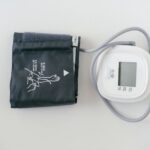
This is one reason blood pressure readings in people who use nicotine can be misleading. Clinical guidelines generally call for measuring blood pressure after at least 30 minutes without smoking, and some clinicians prefer longer. The measurement matters, because a reading taken too soon after nicotine will overstate the resting value, and a reading taken during a period of heavy use may understate how much nicotine is contributing to a person’s overall cardiovascular load.




Are Nicotine Replacement Products and Vaping Different?
They are different in degree, not in kind. Nicotine is nicotine at the receptor level, so any product that delivers it will produce some blood pressure and heart rate effect. What varies is how fast the nicotine arrives and how high the peak concentration gets.
Inhaled nicotine — from cigarettes, cigars, or vaping devices — reaches the brain and bloodstream within seconds. That fast delivery produces the sharpest spike. Nicotine replacement products like patches, gum, and lozenges deliver nicotine more slowly and at lower peak concentrations. A patch, for example, produces a relatively steady level over hours rather than a spike. Gum and lozenges sit in between — faster than a patch, slower than inhaled.
That does not make replacement products blood-pressure-neutral. They can still raise heart rate and blood pressure, particularly in people who are not used to nicotine. But the peak effect tends to be smaller than with inhaled delivery. The clinical reasoning behind nicotine replacement is that it avoids the combustion products in smoke, which carry their own cardiovascular risks. The nicotine exposure is not eliminated, it is managed.
Does Nicotine Cause Long-Term High Blood Pressure?
The relationship is real but not simple. Repeated nicotine exposure over years is associated with higher average blood pressure and with increased risk of hypertension, but the effect is modest compared to factors like excess body weight, high sodium intake, and lack of physical activity. Nicotine is a contributor, not the whole story.
What is clearer is the cardiovascular risk picture. Smoking is one of the strongest modifiable risk factors for heart attack, stroke, and peripheral artery disease. That risk comes from multiple mechanisms — nicotine’s effect on blood pressure and heart rate, carbon monoxide’s effect on oxygen delivery, smoke-induced inflammation, and increased clotting tendency. Nicotine’s contribution to that total is real, but separating it from the rest of what smoke does is difficult, and the research has not fully untangled it.
One thing clinicians do agree on: for people with existing high blood pressure, nicotine use makes management harder. Blood pressure that would otherwise be controlled with medication and lifestyle changes becomes more volatile. The spikes interfere with accurate measurement. And the underlying cardiovascular risk compounds.
What About People With Existing Heart Conditions?
For people with established coronary artery disease, arrhythmias, or a history of heart attack, nicotine’s effects carry more weight. A rise in heart rate and blood pressure increases the heart’s demand for oxygen at the same moment that narrowed vessels may be limiting supply. That mismatch is the mechanism behind nicotine’s ability to trigger chest pain or arrhythmias in susceptible people.
This is why clinical guidance generally advises people with significant heart disease to discuss nicotine use — in any form — with their doctor. That includes nicotine replacement products. The evidence on nicotine replacement in people with recent heart attacks or unstable angina is limited, and practice varies. Some clinicians recommend it as part of a quit plan with monitoring. Others prefer to start with behavioral support and add nicotine replacement cautiously. There is no single standard here, and the decision is best made with a clinician who knows the person’s specific cardiac history.
Does Quitting Lower Blood Pressure?
Blood pressure tends to improve after quitting, but the timeline and the size of the change vary. In the short term, removing nicotine eliminates the recurring spikes. Within days to weeks, many people see their average blood pressure readings come down, though the change is usually modest in people whose hypertension was driven mainly by other factors.
There’s a wrinkle worth knowing. Some people gain weight after quitting, and weight gain can offset some of the blood pressure benefit. This is a real effect and it is worth planning for — not a reason to keep using nicotine. The cardiovascular benefits of quitting are substantial and well documented, and they outweigh the modest blood pressure effects of typical post-quit weight gain.
For people whose blood pressure remains high after quitting, the usual approaches apply: reduce sodium, increase physical activity, manage weight, limit alcohol, and work with a clinician on whether medication is needed. Quitting nicotine removes one contributor. It rarely solves hypertension on its own.
Frequently Asked Questions
How much does nicotine raise blood pressure?
A single cigarette or standard nicotine dose typically raises systolic blood pressure by about 5 to 10 mmHg and diastolic pressure by a similar or slightly smaller amount. Heart rate rises by roughly 10 to 20 beats per minute.
How long does nicotine raise blood pressure after one cigarette?
Blood pressure begins rising within a minute or two, peaks around 10 to 15 minutes, and returns toward baseline within about 20 to 30 minutes. Repeated use throughout the day prevents full recovery between doses.
Does vaping raise blood pressure the same as smoking?
Vaping delivers nicotine by inhalation, so it produces a similar spike in blood pressure and heart rate, though the exact magnitude can vary by device and nicotine concentration. Vaping avoids the combustion products in smoke but does not eliminate nicotine’s cardiovascular effects.
Can nicotine cause high blood pressure long term?
Repeated nicotine exposure over years is associated with higher average blood pressure and increased hypertension risk, but the effect is modest compared to factors like weight, sodium intake, and activity level. Nicotine is a contributor, not the sole cause.
