
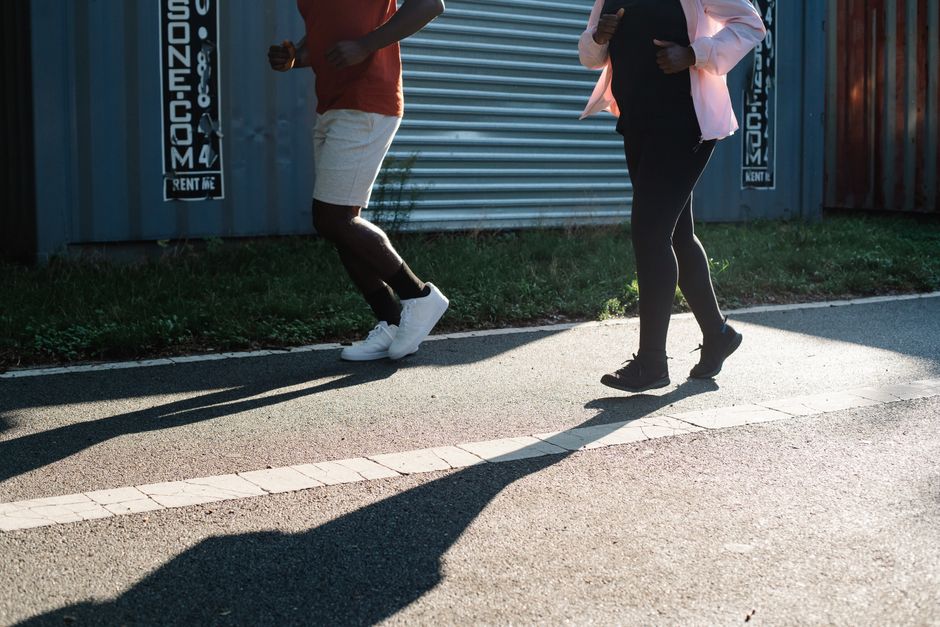
Running can lower blood pressure, and for many people it does. The effect is real but modest on average — often a few points off the top number — and it builds over weeks to months of consistent training, not after a single jog. If you have high blood pressure, running is one of the more effective lifestyle tools available, but it works alongside medication and other habits, not instead of them.
Does Running Lower Blood Pressure What To Expect?
Expect a gradual drop, not an overnight one. When people with elevated blood pressure begin regular aerobic exercise, systolic pressure (the top number) typically falls by roughly 5 to 8 mmHg, with a smaller drop in diastolic pressure (the bottom number). These figures come from pooled analyses of exercise trials and are widely cited in clinical guidance. Individual results vary widely — some people see more, some see almost nothing.
The drop usually becomes measurable after a few weeks of regular running and tends to plateau after about three months of consistent training. Stop running and blood pressure generally drifts back toward where it started within a few weeks.
One detail that surprises people: the effect depends more on showing up regularly than on running fast or far. Moderate-paced running several days a week does most of the work. Chasing personal records is not required, and for blood pressure purposes it may not help at all.
Why Does Running Lower Blood Pressure?
Blood pressure reflects how hard your heart pushes and how much resistance it meets in the arteries. Running changes both sides of that equation.
During and after aerobic exercise, blood vessels widen. This happens partly through increased shear stress on the artery lining, which signals the vessels to release nitric oxide, a molecule that relaxes and dilates them. Over time, arteries become more flexible and less stiff. Stiff arteries are a major driver of rising systolic pressure, especially with age.
The heart also adapts. A trained heart pumps more blood per beat, so it does not have to work as hard or beat as fast to move the same volume. Resting heart rate commonly drops in regular runners, often into the 50s or 60s for well-trained people. A lower resting heart rate usually accompanies lower resting blood pressure, though the two are not perfectly linked.
There is also a nervous system component. Chronic stress and sympathetic nervous system activity keep blood vessels tighter. Regular aerobic exercise appears to reduce resting sympathetic tone, which allows vessels to stay more relaxed between workouts.
How Long Until You See a Change?
Some people notice a small drop within the first week or two of regular running. This early change is often partly due to better sleep, less stress, or improved hydration rather than a true training adaptation. The more durable changes take longer.
Most exercise studies measure blood pressure changes after 8 to 12 weeks of consistent training, and that is a reasonable timeframe to judge whether running is helping you. If you have not seen any change by three months of regular running, it may be worth talking to your doctor about other factors — medication, diet, sleep, or a different exercise approach.
Consistency matters more than intensity here. Three to five sessions a week of 30 minutes or more is a common target in physical activity guidelines. Running shorter or less often still helps, just less.



How Does Running Compare to Other Exercise?
Aerobic exercise as a category lowers blood pressure, and running is one form of it. Whether running is better than walking, cycling, or swimming for blood pressure is not clearly established. The evidence suggests the total amount and regularity of aerobic activity matter more than the specific mode.
That said, running has one practical advantage: it is time-efficient. A 30-minute run tends to burn more energy and produce a greater cardiovascular stimulus than a 30-minute walk. For people with limited time, that can translate into more benefit per minute spent.
Resistance training also lowers blood pressure, though the effect is generally smaller than with aerobic exercise. Combining both — running plus two sessions of strength work per week — is common in physical activity guidance and may offer broader cardiovascular benefits than either alone.
Isometric exercise, such as wall sits and handgrip holds, has gained attention in recent years for blood pressure. Some studies suggest it may be as effective as aerobic exercise, but the body of research is smaller and the protocols are more specific. It is a reasonable option for people who cannot run, but it is not yet a replacement for aerobic activity in most guidelines.
Who Should Be Careful About Running?
Running is generally safe for most healthy adults, but a few groups should check with a doctor first.
- People with uncontrolled high blood pressure, especially above 180/120 mmHg
- Anyone with known heart disease, prior heart attack, or heart rhythm problems
- People with joint, back, or foot problems that running could worsen
- Anyone starting a new exercise program after a long break, especially over age 50
- People taking blood pressure medications that can cause dizziness or fainting with exertion
Blood pressure normally rises during exercise — that is expected and healthy. The concern is extreme spikes, which are more likely in people with very high resting pressure or underlying heart conditions. If you feel chest pain, severe shortness of breath, dizziness, or an irregular heartbeat while running, stop and seek medical attention.
Some blood pressure medications, particularly beta blockers, blunt the heart rate response to exercise. This does not make running unsafe, but it can make it harder to gauge effort by heart rate alone. Perceived exertion — how hard the run feels — becomes a more useful guide.
Does Running Replace Blood Pressure Medication?
No. Running can lower blood pressure, but for most people with diagnosed hypertension it does not lower it enough to stop medication. The typical drop of 5 to 8 mmHg is meaningful — it can move someone from stage 1 hypertension into a healthier range — but it is usually not enough on its own.
That said, exercise is a legitimate part of treatment. Clinical guidelines for high blood pressure consistently include lifestyle changes — aerobic exercise, weight loss, reduced sodium, limited alcohol, and not smoking — as first-line approaches for milder cases and as add-ons for everyone else. Some people with borderline high blood pressure can manage it with lifestyle alone, under a doctor’s supervision.
Never stop or reduce blood pressure medication without talking to your doctor. Blood pressure can rebound quickly and dangerously. If running is working well, your doctor may adjust your dose over time — but that decision belongs in a clinical setting, not a running log.
What Else Affects Whether Running Works for You?
Running is one input among many. Several factors can blunt or amplify its effect on blood pressure.
Sodium intake matters a great deal. A high-salt diet can raise blood pressure by several points, which can offset the gains from running. Reducing sodium is one of the more reliable ways to lower blood pressure, with or without exercise.
Weight plays a role. Losing excess weight tends to lower blood pressure, and running can help with weight loss — but only if diet supports it. Running alone rarely produces large weight loss.
Alcohol raises blood pressure in a dose-dependent way. Cutting back often produces a measurable drop within weeks.
Sleep matters more than most people realize. Chronic poor sleep, and especially sleep apnea, is strongly linked to resistant high blood pressure. If you snore heavily and feel tired despite enough hours in bed, that is worth investigating separately.
Genetics and age set the baseline. Some people respond to exercise with larger blood pressure drops than others, and this variability is not fully understood. Older adults and people with stiffer arteries often see smaller changes.
Practical Expectations
If you start running three to five times a week, at a pace where you can still hold a conversation, here is a reasonable picture of what to expect:
- Weeks 1–2: Little or no measurable change in blood pressure. Possible improvements in mood and sleep.
- Weeks 3–6: Small drops may appear, especially if other habits improve too.
- Weeks 8–12: The main effect typically shows up here. Systolic pressure often falls by around 5 to 8 mmHg in people with elevated readings at the start.
- Beyond 12 weeks: Effects tend to plateau unless training volume increases or other factors change.
Keep measuring. Home blood pressure monitors are inexpensive and more reliable than how you feel. Take readings at the same time of day, seated and rested, and bring the log to your doctor. That record tells you whether running is working for you better than any general statistic can.
Frequently Asked Questions
How much does running lower blood pressure?
On average, regular aerobic exercise like running lowers systolic blood pressure by about 5 to 8 mmHg in people with elevated readings. Diastolic pressure typically drops less.
How long does it take for running to lower blood pressure?
Most of the effect appears after 8 to 12 weeks of consistent training. Small changes may show up earlier, but they are often due to other factors like better sleep.
Can I stop my blood pressure medication if I start running?
No — never stop or reduce blood pressure medication without talking to your doctor first. Running helps, but for most people it is not enough on its own to replace medication.
Is running better than walking for blood pressure?
The evidence does not clearly show that running is better than walking for blood pressure. Total amount and regularity of aerobic activity appear to matter more than the specific type.
