
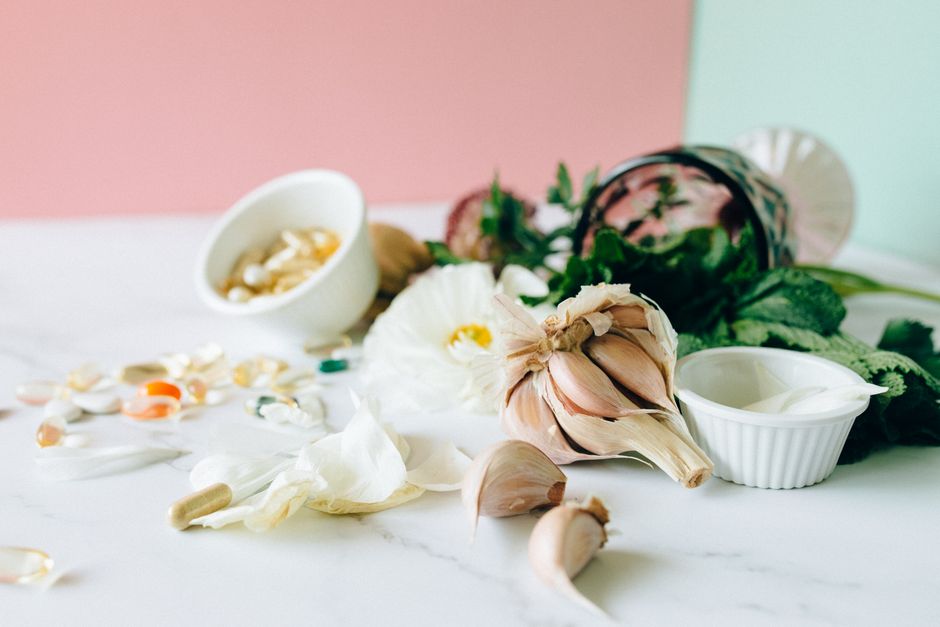
Garlic has been used as food and medicine for thousands of years, and modern research has taken a real interest in its effects on the cardiovascular system. The short answer: garlic is not a true diuretic in the clinical sense, but some compounds in it do appear to influence blood vessel function and blood pressure. Its effect on urine output specifically is not well established.
If you are wondering whether eating more garlic will help you flush out water or lower your blood pressure, the honest answer is that the evidence is stronger for one of those than the other. Blood pressure has been studied extensively. Urine output has not.
Is Garlic A Diuretic Urine Output And Blood Pressure?
No, garlic is not classified as a diuretic. Diuretics are a specific category of drugs — and certain foods and herbs — that increase urine production by acting on the kidneys. Garlic does not work that way.
What garlic does contain is a compound called allicin, which forms when fresh garlic is crushed, chopped, or chewed. Allicin and related sulfur compounds have been studied for their effects on blood vessels. Some research suggests they may promote mild vasodilation, meaning blood vessels widen slightly. That is a different mechanism from diuresis, which is about the kidneys removing more water and sodium from the body.
So the two questions — does garlic increase urine output, and does garlic lower blood pressure — have different answers. The blood pressure research is more developed. The urine output question has far less evidence behind it.
How Does Garlic Affect Blood Pressure?
Research consistently shows that garlic can produce a modest reduction in blood pressure in people with hypertension. The effect is real but small — it is not comparable to prescription blood pressure medication.
The mechanism is thought to involve hydrogen sulfide and other sulfur-based compounds that affect the endothelium, the thin layer of cells lining blood vessels. These compounds may help blood vessels relax. Some studies also suggest garlic may have mild effects on ACE (angiotensin-converting enzyme) activity, similar in principle to how ACE inhibitor drugs work — though the effect from garlic is far weaker.
How much does it lower blood pressure? That depends on the study, the form of garlic used, and the population studied. Some meta-analyses have found average reductions in systolic blood pressure in the range of a few points in people with hypertension. In people with normal blood pressure, the effect tends to be smaller or not significant.
This matters for how you interpret headlines. A reduction of a few points is meaningful at a population level. For an individual trying to manage high blood pressure, it is not a replacement for medication or lifestyle changes with stronger evidence behind them.
Does Garlic Make You Urinate More?
There is no strong clinical evidence that garlic increases urine output in humans. This claim circulates online, but it does not appear to be supported by controlled human studies.
Some animal research has looked at whether garlic extracts affect kidney function or fluid balance. Results have been mixed and the relevance to humans is unclear. Animal studies are not a reliable basis for claiming a diuretic effect in people.
If you feel like you urinate more after eating garlic, consider other explanations. Garlic is often eaten as part of a meal that contains more fluid, sodium, or other ingredients that affect fluid balance. Garlic supplements are usually taken with water. These factors can influence urine output independent of garlic itself.
True diuretics — whether prescription drugs like furosemide or natural substances with documented diuretic effects — work through specific actions on the kidney. Garlic has not been shown to act on those pathways in humans in any well-controlled study.





Can Garlic Replace Blood Pressure Medication?
No. This is one of the most important points in this article.
High blood pressure is a serious condition. When uncontrolled, it raises the risk of stroke, heart attack, kidney damage, and other problems. Prescription medications for blood pressure are tested in large clinical trials with hard outcomes — heart attacks, strokes, deaths. Garlic has not been tested that way.
What garlic has been studied for is its effect on blood pressure numbers, not on whether it prevents heart attacks or strokes. That is a significant distinction. A supplement that lowers blood pressure by a few points has not been shown to produce the same health outcomes as a medication that lowers it by 10 or 15 points.
Some clinicians may suggest garlic as a complementary approach alongside standard treatment. That is different from using it instead of treatment. If you take blood pressure medication, do not stop or reduce it without talking to your doctor. Garlic may also interact with blood-thinning medications, including warfarin and aspirin, because some of its compounds have mild antiplatelet effects.
What Form Of Garlic Has Been Studied?
This matters more than most people realize. The garlic in a supplement bottle is not the same as a clove from the grocery store, and different preparations have different amounts of active compounds.
- Fresh raw garlic — crushing or chopping triggers allicin formation. Letting it sit for a few minutes before cooking may preserve more of these compounds.
- Garlic powder — standardized powders are used in many clinical trials. Allicin content varies by brand.
- Aged garlic extract — a different preparation with a different compound profile. It has been studied in its own right, particularly for cardiovascular markers.
- Garlic oil — contains different sulfur compounds than raw garlic. Less studied for blood pressure.
Most clinical trials that showed blood pressure reductions used standardized garlic powder or aged garlic extract at specific doses. Those doses are not the same as eating a clove or two with dinner. Whether typical dietary amounts produce measurable blood pressure effects is not well established.
Are There Other Foods Or Habits That Actually Affect Urine Output?
If increased urine output is your goal, there are substances with better evidence than garlic.
Caffeine has a mild diuretic effect, though the body adapts to it with regular use. Alcohol suppresses vasopressin, a hormone that tells your kidneys to retain water, which is why drinking alcohol often leads to more urination. Both of these are well documented.
Some foods and herbs have traditional reputations as diuretics — parsley, dandelion, celery, and others. The evidence for most of these in humans is limited. Some small studies suggest mild effects, but the research is not robust enough to make strong claims.
If you are retaining fluid because of a medical condition — heart failure, kidney disease, liver disease — this is a clinical issue that needs medical management, not dietary approaches. Fluid retention in those conditions can be dangerous and requires proper treatment.
For general hydration and kidney health, the basics matter more than any single food: drinking enough water, managing sodium intake, and controlling underlying conditions like diabetes and high blood pressure.
Should You Take Garlic For Blood Pressure?
That is a decision to make with your doctor, not from an article. Here is what the evidence supports and what it does not.
What the evidence supports: garlic, particularly in standardized supplement form, may produce a small reduction in blood pressure in people with hypertension. The effect is modest. It is not a substitute for proven interventions.
What the evidence does not support: garlic as a diuretic, garlic as a replacement for blood pressure medication, garlic as a way to “flush” the body or remove excess water.
If you enjoy garlic and want to include more of it in your diet, there is no harm in that for most people. If you are considering garlic supplements for blood pressure, talk to your doctor first — especially if you take blood thinners, have a bleeding disorder, or are scheduled for surgery. Garlic can increase bleeding risk in some situations.
Lifestyle changes with the strongest evidence for blood pressure include reducing sodium, increasing potassium through food, regular physical activity, maintaining a healthy weight, limiting alcohol, and not smoking. These are not glamorous answers, but they are the ones supported by decades of research.
Frequently Asked Questions
Is garlic a diuretic?
No, garlic is not classified as a diuretic and there is no strong clinical evidence that it increases urine output in humans. Diuretics work through specific actions on the kidneys that garlic has not been shown to produce.
Does garlic lower blood pressure?
Research consistently shows garlic can produce a modest reduction in blood pressure, particularly in people with hypertension. The effect is small and not comparable to prescription medication.
Can I stop my blood pressure medication if I eat more garlic?
No. Never stop or reduce blood pressure medication without talking to your doctor. Garlic has not been shown to prevent heart attacks or strokes the way blood pressure medications have.
How much garlic do I need for blood pressure benefits?
Most clinical trials used standardized garlic supplements at specific doses, not typical dietary amounts. Whether eating garlic in food produces measurable blood pressure effects is not well established.
