
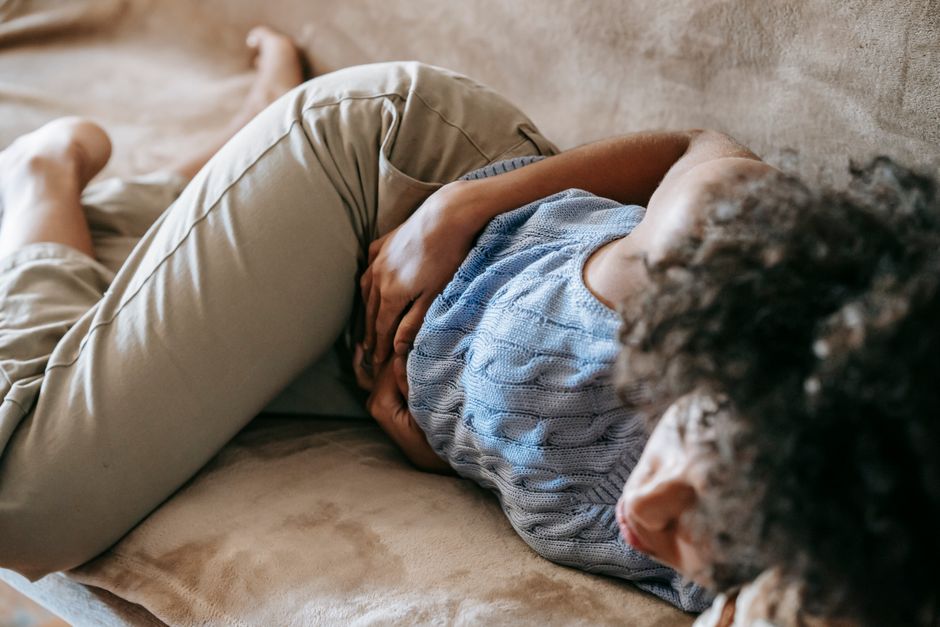
Ovulation pain is a sharp, cramping, or dull ache felt in the lower abdomen around the middle of your menstrual cycle. It happens when a mature egg is released from an ovary, usually about two weeks before your next period. The medical name for this sensation is mittelschmerz, a German word that literally means “middle pain.”
For most people, the discomfort is brief and mild. But for others, it can be sharp enough to cause concern. Understanding why it happens and how to tell it apart from more serious conditions can help you know when to manage it at home and when to see a doctor.
What Is The Pain During Ovulation?
Ovulation pain is the discomfort some people feel when their ovary releases an egg. It typically occurs on one side of the lower abdomen, depending on which ovary releases the egg that month. The pain can range from a mild twinge to a sudden, sharp cramp that lasts a few minutes.
In some cases, the discomfort lingers for a few hours or even a day or two. The location may alternate between the left and right side from month to month, though some people consistently feel it on the same side. The sensation is not dangerous and does not indicate a problem with your reproductive system.
Not everyone ovulates with noticeable pain. Some people never feel it at all, while others experience it every cycle. Both situations are normal.
Why Does Ovulation Cause Pain?
The exact cause of ovulation pain is not fully confirmed, but the leading explanation involves the physical process of egg release. Each month, a follicle — a small fluid-filled sac in the ovary — matures and grows. When the egg is ready, the follicle stretches and eventually ruptures to release the egg.
That rupture releases a small amount of fluid and blood into the abdominal cavity. This fluid can irritate the lining of the abdomen, called the peritoneum, which triggers pain. The stretching of the ovarian surface just before rupture may also contribute to the discomfort.
This mechanism explains why the pain is usually one-sided. The ovary that releases the egg is the side that hurts. It also explains why the pain often shifts sides in different cycles, since the ovaries typically take turns releasing eggs.
What Does Ovulation Pain Feel Like?
The sensation varies from person to person. Some describe it as a sudden, sharp stab. Others feel a dull, aching pressure that builds slowly. It can also feel like a mild cramp similar to a light period cramp, but usually shorter and more localized.
Common descriptions include:
- A sharp twinge on one side of the lower belly
- A dull ache that lasts several hours
- A sudden cramp that comes and goes
- Mild spotting or light discharge in some cases
The pain is typically felt low in the abdomen, near the hip bone. Some people also feel it in the lower back or groin on the affected side. The intensity is usually mild to moderate, but a small number of people report pain severe enough to interfere with daily activities.





How Long Does Ovulation Pain Last?
For most people, ovulation pain is brief. It can last anywhere from a few minutes to a few hours. In some cases, the discomfort persists for one to two days. The duration depends on how long the follicle takes to rupture and how much fluid irritates the abdominal lining.
If the pain lasts longer than two to three days, it is less likely to be simple ovulation pain. Persistent pain, especially if it worsens, deserves medical evaluation. Ovulation pain should not cause fever, heavy bleeding, or pain severe enough to prevent standing upright.
How Can You Tell It Is Ovulation Pain and Not Something Else?
Timing is the most helpful clue. Ovulation pain occurs in the middle of your cycle, typically 10 to 16 days before your next period. If you track your cycle, you may notice the pain appears around the same time each month.
Other signs that point to ovulation include a change in cervical mucus, which becomes clear and stretchy like egg whites around this time. Some people also notice a slight rise in basal body temperature after ovulation. These signs, combined with one-sided pain mid-cycle, strongly suggest ovulation.
However, other conditions can cause similar pain. These include:
- Ovarian cysts that rupture or twist
- Appendicitis, which typically starts near the belly button and moves to the lower right
- Ectopic pregnancy, a medical emergency
- Pelvic inflammatory disease
- Irritable bowel syndrome or constipation
- Urinary tract infections
If the pain is on the right side, it can be hard to distinguish from appendicitis. Appendicitis pain usually worsens over hours, moves, and comes with fever, nausea, or vomiting. Ovulation pain typically stays in one spot and does not cause fever.
How Is Ovulation Pain Managed?
For mild ovulation pain, no treatment is needed. The discomfort usually resolves on its own within a day. If the pain is bothersome, over-the-counter pain relievers such as ibuprofen or acetaminophen can help. A heating pad applied to the lower abdomen may also provide relief.
Rest and gentle movement can ease discomfort. Some people find that soaking in a warm bath relaxes the abdominal muscles. Staying hydrated and eating regularly can also help, especially if the pain is mild enough that you might otherwise skip meals.
If the pain is severe or recurrent enough to affect your quality of life, hormonal birth control is an option. Birth control pills, patches, or rings prevent ovulation, which eliminates ovulation pain entirely. This is a common approach for people who experience severe mittelschmerz every cycle.
No clinical guidelines exist specifically for treating ovulation pain, because it is not a disease. The recommendations above reflect general clinical practice for managing mild, self-limiting pelvic pain.
When Should You See a Doctor?
Most ovulation pain does not require medical attention. But certain symptoms should prompt a call to your doctor. Seek evaluation if the pain is severe, lasts more than two or three days, or occurs with any of the following:
- Fever or chills
- Heavy or unusual vaginal bleeding
- Nausea or vomiting
- Dizziness or fainting
- Pain that worsens with movement
- Pain during urination or bowel movements
Sudden, severe pelvic pain can signal a ruptured cyst, a twisted ovary, or an ectopic pregnancy. These are urgent conditions that require prompt medical care. If you are pregnant or could be pregnant and feel sharp pelvic pain, seek emergency care immediately.
If you track your cycle and consistently feel mid-cycle pain, mention it to your doctor at your next visit. It helps to note which side the pain is on, how long it lasts, and whether anything makes it better or worse. This information helps your doctor determine whether further evaluation is needed.
Can Ovulation Pain Affect Fertility?
Ovulation pain itself does not affect fertility. In fact, it can be a useful sign that ovulation is occurring. Some people use mittelschmerz as a natural fertility awareness method to time intercourse for conception.
Because the pain coincides with the fertile window, it can help identify the best days to try to conceive. Sperm can survive in the reproductive tract for up to five days, so having intercourse around the time of ovulation pain can improve the chances of pregnancy.
However, the absence of ovulation pain does not mean you are not ovulating. Many people ovulate normally without ever feeling mittelschmerz. If you are trying to conceive and are unsure whether you ovulate, other methods such as ovulation predictor kits or basal body temperature tracking are more reliable.
Frequently Asked Questions
Can ovulation pain be severe enough to require emergency care?
Rarely, but sudden severe pelvic pain can indicate a ruptured cyst, ovarian torsion, or ectopic pregnancy. If the pain is intense, comes on suddenly, or is accompanied by fever, dizziness, or fainting, seek emergency medical care.
Does ovulation pain happen every month?
No. Some people feel it every cycle, others only occasionally, and many never feel it at all. All of these patterns are normal.
Can you feel ovulation pain on both sides at the same time?
It is uncommon, but possible. Rarely, both ovaries release an egg in the same cycle, which can cause pain on both sides. More often, bilateral pain is caused by something other than ovulation.
Is ovulation pain a sign that you are fertile?
It suggests ovulation is occurring, which means you are likely fertile at that time. But the absence of pain does not mean you are not ovulating.
