
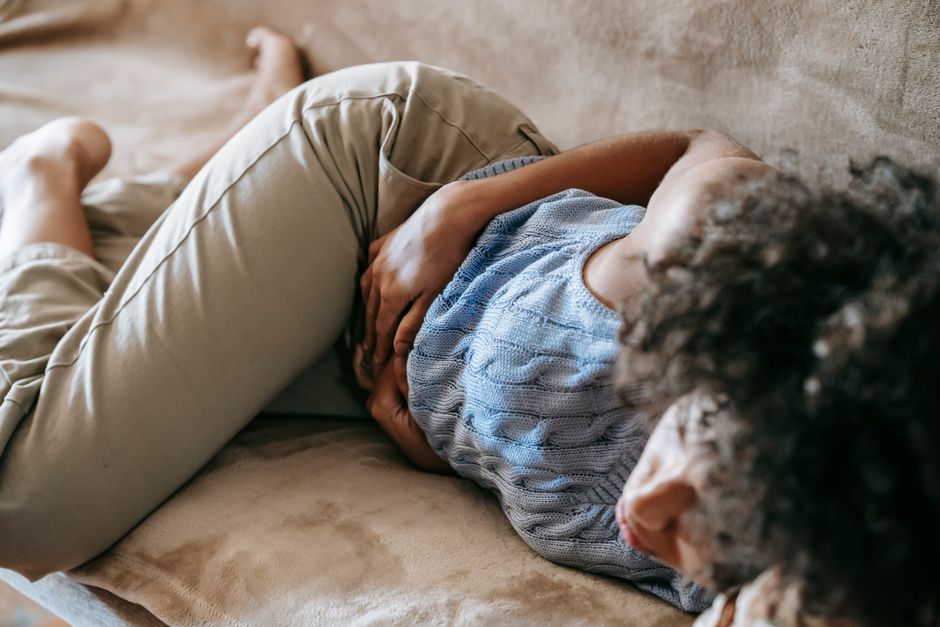
Yes, cramps during ovulation are normal for many people. This pain, often called mittelschmerz, is a common and usually harmless part of the menstrual cycle. It typically happens when an ovary releases an egg, about halfway through your cycle. While the discomfort can be noticeable, it is generally brief and mild, lasting anywhere from a few minutes to a couple of days.
What Causes Ovulation Cramps?
Ovulation is the process where a mature egg is released from an ovary. Before this release, the egg grows inside a small fluid-filled sac called a follicle. As the follicle swells and stretches the surface of the ovary, you may feel a dull ache or pressure.
When the follicle finally bursts to release the egg, a small amount of fluid and blood spills into your abdominal cavity. This fluid can irritate the lining of your abdomen, which is called the peritoneum. This irritation causes the sharp, sudden pain that some people feel at the moment of ovulation.
The pain is not caused by the egg itself. The egg is microscopic. The discomfort comes from the stretching of the ovarian capsule and the irritation from the released fluid.
How Long Does Ovulation Pain Last?
Ovulation pain is typically short-lived. For most people, the discomfort lasts anywhere from a few minutes to a few hours. In some cases, the pain can persist for a day or two. The duration usually depends on how much fluid was released and how sensitive your abdominal lining is to that irritation.
You may notice the pain changes sides from month to month. This happens because ovulation alternates between the left and right ovary. It is not always perfectly alternating, but the pain occurring on different sides in different cycles is a common pattern.
Some people never feel ovulation at all. Others feel it every single cycle. Both situations are normal. The intensity of the pain can also vary from cycle to cycle, ranging from a mild twinge to a sharper cramp.
What Does Ovulation Cramping Feel Like?
The sensation is different for everyone, but there are some common descriptions. Many people describe it as a sharp twinge or a sudden jab on one side of the lower abdomen. Others report a dull, aching pressure that feels similar to a mild period cramp.
The pain is usually located low in the pelvis, on the side of the ovary that is releasing the egg. It can sometimes radiate to the lower back or down the leg on that same side. This is because the nerves in that area share pathways with the pelvic organs.
Some people also notice light spotting or a small amount of pink discharge around ovulation. This is caused by the slight drop in estrogen that happens right before the egg is released. It is generally harmless and does not require any special treatment.




Is Cramps During Ovulation Normal Every Month?
Feeling ovulation cramps every month is considered normal. The mechanism is the same each cycle, so if your body reacts strongly to the follicle stretching or the fluid release, you will likely feel it consistently. This does not indicate a problem with your fertility or your reproductive health.
However, the intensity and presence of pain can change over time. You may go through periods where you feel it clearly and other months where you do not notice it at all. Age, stress, and hormonal fluctuations can all play a role in how sensitive you are to the sensation.
Tracking your cycle can help you connect the pain to ovulation. If the pain consistently happens about 14 days before your next expected period, it is very likely ovulation pain. This timing is a strong indicator, especially if the pain is one-sided and brief.
Ovulation Cramps vs. Period Cramps
Ovulation cramps and period cramps feel different, and they happen at different times. Period cramps, also known as dysmenorrhea, are caused by uterine contractions. These contractions help shed the uterine lining during your period.
Period cramps are usually felt in the center of the lower abdomen and can radiate to the lower back and thighs. They often start a day or two before your period and can last for several days. They tend to be more intense and longer-lasting than ovulation pain.
Ovulation cramps are typically one-sided and occur mid-cycle. They are usually shorter and less intense. The table below summarizes the key differences.
| Feature | Ovulation Cramps | Period Cramps |
|---|---|---|
| Timing | Mid-cycle, about 14 days before period | Right before and during period |
| Location | One side of the lower abdomen | Center of lower abdomen, lower back |
| Duration | Minutes to a couple of days | Usually 1 to 3 days |
| Sensation | Sharp twinge or dull ache | Cramping, gripping, or heavy ache |
When Should You See a Doctor About Ovulation Pain?
Ovulation pain is normal, but there are situations where you should seek medical advice. If the pain is severe enough to interfere with your daily activities, that is a reason to talk to a doctor. Pain that causes nausea, vomiting, or fainting is not typical ovulation pain.
You should also see a doctor if the pain lasts longer than two or three days. Ovulation pain should be temporary. If you have pain that persists for a week or more, it may be caused by something else, such as ovarian cysts, endometriosis, or pelvic inflammatory disease.
Other warning signs include fever, chills, heavy bleeding, or pain during urination. These symptoms are not related to normal ovulation. They point to an infection or another condition that requires proper evaluation. If you have sudden, severe abdominal pain, seek medical care promptly.
How to Relieve Ovulation Cramps at Home
For mild ovulation pain, simple home remedies are usually enough. A heating pad or warm compress placed on the lower abdomen can relax the muscles and ease the discomfort. Taking a warm bath can have a similar effect.
Over-the-counter pain relievers can help if the pain is bothersome. Nonsteroidal anti-inflammatory drugs (NSAIDs) like ibuprofen are commonly used for this purpose. They work by reducing the inflammation caused by the fluid irritating your abdominal lining. Always follow the dosing instructions on the package.
Some people find that gentle movement helps. Light walking or stretching can reduce tension in the pelvic area. This is not about pushing through pain. It is about gentle activity that does not cause additional discomfort.
Can Ovulation Cramps Be a Sign of Fertility?
Ovulation cramps can be a useful sign for tracking fertility. If you feel this mid-cycle pain consistently, it can help you identify when you are most fertile. This is because the pain happens right around the time the egg is released.
However, it is not a reliable method of contraception. The pain can occur before, during, or after the actual release of the egg. Sperm can survive in the female reproductive tract for several days, so relying on the pain alone to avoid pregnancy is not safe.
If you are trying to conceive, ovulation cramps can be one of several signs you track. Other signs include changes in cervical mucus and a slight rise in basal body temperature. Combining these methods gives you a clearer picture of your fertile window.
Frequently Asked Questions
Can ovulation cramps be severe?
Ovulation cramps are typically mild, but they can be moderately uncomfortable for some people.
Can you feel ovulation cramps on both sides?
Ovulation pain is usually felt on one side only, since one ovary releases an egg each cycle.
Does ovulation pain mean the egg is released?
Yes, the pain typically occurs around the time the egg is released from the follicle.
Can ovulation cramps last for days?
Ovulation cramps can last for a day or two, but pain lasting longer than three days should be evaluated by a doctor.
Is it normal to have ovulation cramps and not get pregnant?
Yes, feeling ovulation pain does not guarantee conception in that cycle.
