
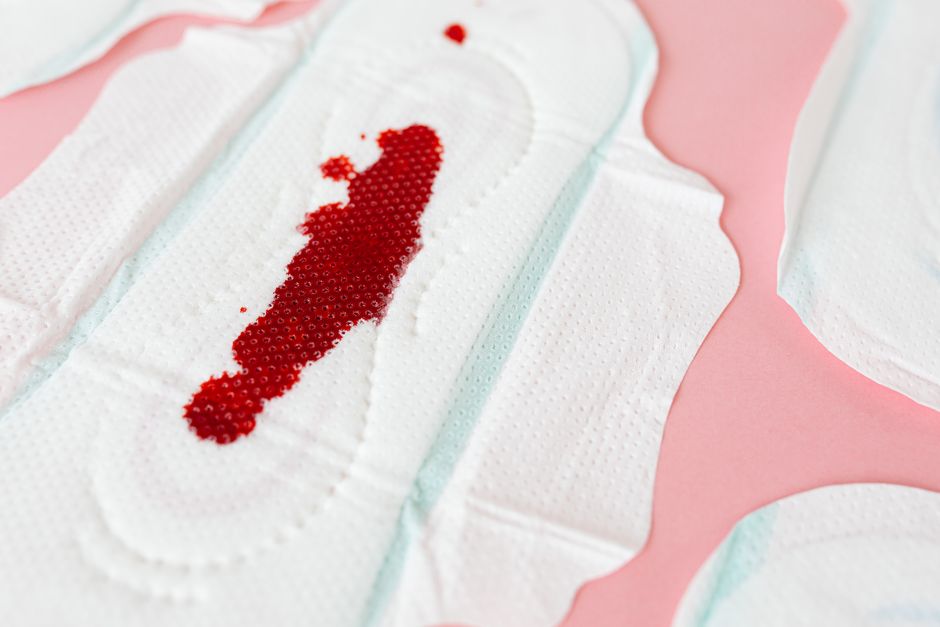
Seeing a small amount of blood on your underwear mid-cycle can be surprising. You might wonder if your body is signaling a problem. For many people, spotting during ovulation is a normal part of the menstrual cycle. It is not a sign of disease or a reason to panic. Ovulation spotting is light, brief, and happens around the time an egg is released from the ovary. The key is knowing what is normal and what deserves a call to your doctor.
What Is Ovulation Spotting?
Ovulation spotting is light bleeding that happens mid-cycle. It typically occurs around day 14 of a 28-day cycle, but cycles vary. The bleeding is usually pink or light brown in color. It is not heavy like a period and does not require a pad or tampon for most people.
The bleeding lasts anywhere from a few hours to a couple of days. It happens when the ovary releases an egg, which is a normal part of the reproductive cycle. For most people, this type of spotting is harmless and requires no treatment.
Why Does Spotting Happen During Ovulation?
The exact cause of ovulation spotting is not fully proven, but the leading explanation involves hormones. Just before ovulation, there is a rapid rise in a hormone called luteinizing hormone (LH). This surge triggers the release of an egg from a mature follicle in the ovary.
When the follicle ruptures to release the egg, it causes a small amount of bleeding. This blood travels down the fallopian tube, into the uterus, and out through the vagina. The drop in estrogen that happens right before ovulation may also cause a small amount of the uterine lining to shed. Both mechanisms can produce light spotting.
This is a normal physiological event. It is not the same as implantation bleeding, which happens later in the cycle if a fertilized egg attaches to the uterine lining.
How Is Ovulation Spotting Different From a Period?
Ovulation spotting is much lighter than a period. Period blood is typically red and flows for several days. Ovulation spotting is often pink or brown and only lasts a short time.
Key differences:
- Timing: Ovulation spotting happens mid-cycle. A period happens at the end of the cycle.
- Amount: Spotting is light. You may only see it when you wipe.
- Color: Spotting is often pink or brown. Period blood is usually bright or dark red.
- Duration: Spotting lasts hours to two days. A period lasts three to seven days.
- Flow: Spotting does not require a tampon or pad for most people.
If you are unsure whether you are having ovulation spotting or a period, track your cycle. Note the day, the color, and the amount of blood. This information helps you and your doctor understand your pattern.





Is It Normal To Have Spotting During Ovulation?
Yes, it is normal for some people. Studies suggest that mid-cycle spotting occurs in a small percentage of people who menstruate. It is not experienced by everyone, and its absence does not mean ovulation did not happen.
The medical term for bleeding between periods is intermenstrual bleeding. Ovulation spotting is one benign cause of this. However, not all mid-cycle bleeding is ovulation spotting. Other conditions can cause bleeding between periods, and some are serious.
Because of this, it is important to know your own pattern. If you have always had light spotting at mid-cycle, it is likely normal for you. If the spotting is new, heavier, or accompanied by pain, you should talk to a healthcare provider.
What Else Could Cause Mid-Cycle Spotting?
Several conditions can cause bleeding that looks like ovulation spotting. These include:
- Uterine fibroids: Noncancerous growths in the uterus that can cause bleeding between periods.
- Polyps: Small growths on the cervix or inside the uterus.
- Infections: Sexually transmitted infections or pelvic inflammatory disease can cause spotting.
- Hormonal birth control: Starting, stopping, or missing pills can cause breakthrough bleeding.
- Thyroid problems: An underactive or overactive thyroid can disrupt the cycle.
- Polycystic ovary syndrome (PCOS): A hormonal disorder that can cause irregular bleeding.
- Early pregnancy: Implantation bleeding can happen around the same time as expected ovulation spotting.
- Cervical issues: Inflammation or changes to the cervix can cause light bleeding.
If your spotting is accompanied by severe pain, a foul odor, or a fever, seek medical advice. These symptoms are not typical of ovulation and need evaluation.
When Should You See a Doctor?
Most of the time, ovulation spotting is not a concern. But you should see a doctor if you notice any of the following:
- Spotting that lasts longer than three days
- Bleeding that becomes heavy
- Spotting that happens every cycle and is new for you
- Pain in the lower abdomen that is severe
- Spotting after sex
- Spotting accompanied by fever, chills, or unusual discharge
- You are trying to conceive and are concerned about your cycle
A doctor can run tests to rule out other causes. This may include a pelvic exam, an ultrasound, or blood tests. These tests help determine whether the bleeding is from ovulation or from another condition.
No clinical guidelines currently exist that say every case of ovulation spotting needs medical evaluation. The decision depends on your history, symptoms, and whether the pattern changes.
Can You Track Ovulation Spotting?
Yes, you can use ovulation spotting as one sign of fertility. It is not the most reliable sign, but it can be helpful when combined with others.
Other signs of ovulation include:
- Changes in cervical mucus (it becomes clear and stretchy, like egg whites)
- A slight rise in basal body temperature
- Mild cramping on one side of the lower abdomen, known as mittelschmerz
- Increased sex drive
- Tender breasts
If you are tracking ovulation for conception, do not rely on spotting alone. Use an ovulation predictor kit or track your basal body temperature. These methods are more accurate at confirming ovulation.
Does Ovulation Spotting Affect Fertility?
Ovulation spotting itself does not affect your ability to get pregnant. It is a sign that ovulation is happening. In fact, seeing spotting at mid-cycle can help you identify your fertile window.
However, if the spotting is caused by an underlying condition like fibroids or a hormonal imbalance, that condition could affect fertility. If you have been trying to conceive for over a year without success, talk to your doctor. The spotting is rarely the cause, but the underlying issue may be.
Some research suggests that mid-cycle bleeding is not linked to lower pregnancy rates. But the evidence is limited, and more studies are needed to understand the relationship fully.
How Is Ovulation Spotting Managed?
For most people, no treatment is needed. The spotting resolves on its own within a day or two. If the spotting is bothersome, wearing a panty liner can help you feel more comfortable.
If the spotting is caused by a hormonal imbalance, a doctor may suggest hormonal birth control. Birth control pills can regulate the cycle and reduce mid-cycle bleeding. This is a treatment for the symptom, not a cure for the underlying cause.
If an infection is the cause, antibiotics will treat it. If fibroids or polyps are causing the bleeding, surgery may be an option. The right treatment depends entirely on the diagnosis.
Do not take any medication to stop ovulation spotting without talking to your doctor first. Over-the-counter pain relievers can help with cramping, but they will not stop the bleeding.
Frequently Asked Questions
How many days does ovulation spotting last?
Ovulation spotting usually lasts from a few hours up to two days. If bleeding lasts longer than three days, it may not be ovulation spotting.
Can ovulation spotting be bright red?
Ovulation spotting is usually pink or brown, but it can be light red in some cases. Heavy bright red bleeding at mid-cycle should be evaluated by a doctor.
Does ovulation spotting mean I am fertile?
Spotting can indicate that ovulation is happening, which means you are in your fertile window. It is not a guarantee of fertility, and some people ovulate without any spotting.
What does ovulation spotting look like on toilet paper?
It typically looks like a light pink or brown streak when you wipe. It is not enough to soak a pad or tampon.
