

Yes, bloating during ovulation is normal. It is a common symptom caused by hormonal shifts that happen mid-cycle. For many women, this bloating is mild and lasts only a day or two. It happens because your body retains more fluid and your ovaries swell slightly as an egg is released.
You are not imagining it, and you are not alone. Up to half of all women notice some type of physical change during ovulation. Bloating is one of the most frequently reported symptoms. Understanding why it happens can help you manage it and know when it is worth mentioning to a doctor.
Why Does Ovulation Cause Bloating?
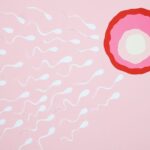
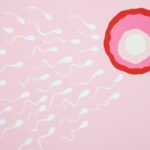
Ovulation is the release of an egg from one of your ovaries. This usually happens around day 14 of a 28-day cycle, but cycles vary. The process is driven by a sharp rise in a hormone called luteinizing hormone, or LH.
That LH surge triggers changes in the ovary. The follicle, which is the sac holding the egg, swells rapidly. It can grow to about 18 to 25 millimeters before it ruptures and releases the egg. That swelling is one source of the pressure and fullness you feel.
Hormones also play a direct role. Estrogen levels peak right before ovulation. Estrogen influences how your body handles sodium and water. When estrogen is high, your body tends to hold onto more fluid. This fluid retention is a major contributor to that bloated, heavy feeling.
Some research also points to changes in gut motility around ovulation. The same hormones that affect your reproductive system can slow digestion slightly. Slower digestion means more gas and more pressure in the abdomen.
What Does Ovulation Bloating Feel Like?
Ovulation bloating is usually described as a feeling of fullness or tightness in the lower abdomen. It is often on one side, matching the ovary that is releasing the egg that month. Some women alternate sides from month to month, though not always.
Common sensations include:
- A feeling of pressure or heaviness in the lower belly
- Clothes feeling tighter around the waist despite no weight gain
- Mild cramping or a sharp twinge on one side
- Increased gas or the need to pass gas more often
- General abdominal distension that looks and feels swollen
The bloating usually starts a day or two before ovulation. It peaks around the day of ovulation itself. For most women, it resolves within 24 to 48 hours after the egg is released. If your bloating lasts longer than that, it may be related to something else.
Is It Bloating or Something Else?
Ovulation bloating is normal, but it is not the only reason you might feel swollen mid-cycle. Several other conditions can cause similar symptoms. It is worth knowing the difference.
Premenstrual syndrome (PMS) causes bloating too, but the timing is different. PMS bloating usually starts after ovulation and gets worse in the days before your period. Ovulation bloating happens before that, right in the middle of your cycle.
Irritable bowel syndrome (IBS) can cause bloating at any time. If you have IBS, you might notice your symptoms flare around ovulation. The hormonal shifts can trigger your gut symptoms even if you do not have a reproductive issue.
Ovarian cysts can cause bloating, pressure, and pelvic pain. Most cysts are harmless and go away on their own. But if you have severe pain, a feeling of fullness that does not go away, or pain during sex, it is worth getting checked.
Pregnancy can cause bloating in the early weeks. If your bloating does not resolve after ovulation and your period is late, a pregnancy test is a reasonable next step.
If your bloating is severe, comes with sharp or worsening pain, or is accompanied by fever, nausea, or vomiting, see a doctor. These are not typical ovulation symptoms.


How Long Does Ovulation Bloating Last?
Most women feel bloated for one to three days around ovulation. The discomfort typically peaks on the day the egg is released and fades quickly afterward.
The timeline aligns with the hormone changes. Estrogen peaks just before ovulation and drops sharply afterward. Once estrogen levels fall, your body releases the extra fluid it was holding. That is when the bloating resolves.
If your bloating lasts more than three days, it is less likely to be ovulation-related. Track your symptoms for a few cycles to see if there is a pattern. If the bloating is unpredictable or does not match your cycle timing, talk to your doctor.
How to Reduce Ovulation Bloating
You cannot stop the hormonal changes that cause ovulation bloating. But you can take steps to reduce the severity. These strategies are safe and generally helpful for anyone who gets mid-cycle bloating.
Drink more water. It sounds counterintuitive when you feel swollen, but staying hydrated helps your kidneys flush out excess sodium. Dehydration actually makes fluid retention worse.
Reduce salt intake. Sodium makes your body hold onto water. In the days leading up to ovulation, try to limit processed foods, salty snacks, and restaurant meals that are heavy on salt.
Eat potassium-rich foods. Potassium helps balance sodium levels in your body. Bananas, sweet potatoes, spinach, and avocados are good sources. These foods can help your body release excess fluid.
Move your body. Gentle exercise like walking or stretching can stimulate digestion and reduce gas buildup. It also helps reduce stress, which can worsen bloating.
Consider magnesium. Some studies suggest magnesium may help reduce bloating and water retention related to the menstrual cycle. Magnesium is found in nuts, seeds, leafy greens, and whole grains. If you consider a supplement, talk to your doctor about the right dose for you.
These measures do not eliminate ovulation bloating entirely. They can make it more manageable. If bloating is severe enough to interfere with your daily life, that is a conversation worth having with your healthcare provider.
When to See a Doctor About Ovulation Bloating
Mild to moderate bloating around ovulation is normal. But there are signs that your bloating is not just a normal hormonal response.
See a doctor if you experience any of the following:
- Bloating that lasts more than a few days or does not go away after your period
- Severe pain that limits your daily activities
- Bloating accompanied by fever, vomiting, or fainting
- Pain during sex that is new or worsening
- A feeling of fullness that comes on quickly and does not resolve
- Bloating along with changes in bowel habits that last more than a few weeks
These symptoms can indicate conditions like ovarian cysts, endometriosis, or pelvic inflammatory disease. They can also be signs of digestive issues that need attention. It is always better to get checked than to assume everything is normal.
If you are tracking your cycle for fertility purposes, ovulation bloating can actually be a useful sign. It confirms that ovulation is happening, which is helpful information if you are trying to conceive. Many fertility tracking apps include a field for bloating as a secondary ovulation sign.
Is It Normal To Be Bloated During Ovulation Every Month?
Yes, it is normal to experience bloating during ovulation every month. Many women notice the same symptoms cycle after cycle. The severity can vary from month to month, even in the same woman.
Some months you might barely notice it. Other months it might be more pronounced. This variation is normal and can depend on factors like your diet, stress levels, sleep quality, and overall health in any given month.
If you suddenly start experiencing severe bloating during ovulation when you never did before, that is worth noting. A change in your typical pattern is different from a consistent pattern. Mention it to your doctor at your next visit, especially if it is accompanied by other new symptoms.
Frequently Asked Questions
Can ovulation bloating last a week?
Ovulation bloating typically lasts one to three days. If bloating lasts a full week or longer, it is more likely related to PMS, a digestive issue, or another condition rather than ovulation itself.
Does ovulation bloating mean I am ovulating?
Bloating is a common sign that ovulation is occurring, but it is not proof on its own. Other signs like cervical mucus changes, a slight temperature rise, and mittelschmerz (one-sided pain) together give a clearer picture of ovulation.
Is it normal to gain weight during ovulation?
Some women see a temporary weight increase of one to three pounds around ovulation due to fluid retention. This is water weight, not fat gain, and it typically resolves within a few days.
Can ovulation bloating be a sign of pregnancy?
Early pregnancy can cause bloating, but ovulation bloating happens before conception can even be detected. If bloating continues past your expected period and your period does not arrive, a pregnancy test is the way to know.
