

A sudden drop in blood pressure means your blood pressure falls quickly, often within minutes to a few hours. For most people, a normal resting blood pressure is around 120/80 mmHg. A sudden drop can cause dizziness, lightheadedness, blurry vision, or fainting. The medical term for this is hypotension, and when it happens quickly, it can be alarming and sometimes dangerous. The most common causes include dehydration, blood loss, severe infection, allergic reactions, and certain medications, but the specific reason matters for how it should be handled.
What Is Considered a Sudden Drop in Blood Pressure?
Doctors generally define low blood pressure as a reading lower than 90/60 mmHg. A sudden drop is different from chronic low blood pressure. It means your numbers fall quickly from your usual baseline, even if the new number is not technically below 90/60.
A drop of just 20 mmHg from your normal reading can trigger symptoms like dizziness or fainting. For example, if your usual reading is 120/80 and it suddenly falls to 100/70, you may feel unwell even though 100/70 is within a normal range for many people. The speed of the change matters as much as the final number.
What Can Cause A Sudden Drop In Blood Pressure?
Several distinct conditions can cause blood pressure to fall rapidly. Each has a different underlying mechanism and a different level of urgency.
Dehydration is one of the most common causes. When your body loses more fluid than it takes in, your blood volume drops. Less blood in your veins means less pressure against your vessel walls. Vomiting, diarrhea, heavy sweating, and not drinking enough fluids can all lead to this state.
Blood loss from an injury, surgery, or internal bleeding also reduces blood volume. Even moderate blood loss can cause a rapid drop in pressure. Internal bleeding may not be visible, making it a particularly dangerous cause.
Severe infection can trigger a condition called septic shock. The infection causes widespread inflammation that makes blood vessels widen dramatically. When vessels dilate, blood pressure falls even if blood volume is normal. This is a medical emergency.
Severe allergic reactions, known as anaphylaxis, can also cause sudden hypotension. The immune system releases large amounts of histamine, which causes blood vessels to dilate and leak fluid into tissues. This can happen within minutes of exposure to an allergen like peanuts, bee venom, or certain medications.
Medications are a frequent culprit. Blood pressure medications, diuretics, antidepressants, and drugs used for erectile dysfunction can all lower pressure. Starting a new medication or changing a dose can cause a sudden drop. Combining certain medications can also produce this effect.
Heart problems can cause sudden hypotension when the heart cannot pump enough blood. A heart attack, a very slow heart rate, or a heart valve problem can all reduce cardiac output. These conditions require immediate medical attention.
What Are the Symptoms of a Sudden Drop?
Symptoms often appear quickly and may worsen over minutes. Common signs include dizziness, lightheadedness, and feeling faint. Some people experience blurry vision, confusion, or weakness.
Nausea and cold, clammy skin can also occur. In more severe cases, a person may lose consciousness. This is called fainting or syncope. Fainting happens when the brain does not receive enough blood and oxygen.
If someone has a sudden drop in blood pressure and becomes confused, cannot be roused, or has chest pain, call emergency services immediately. These symptoms may indicate a life-threatening cause.
When Is a Sudden Drop a Medical Emergency?
Not every drop in blood pressure requires an emergency room visit. If you feel dizzy after standing up quickly and recover within a minute, that is often benign. This is called orthostatic hypotension and is common, especially in older adults.
However, certain signs warrant immediate emergency care. Loss of consciousness, chest pain, shortness of breath, severe headache, or bleeding should never be ignored. A drop accompanied by signs of an allergic reaction, such as swelling of the face or throat or difficulty breathing, is also an emergency.
If the drop happens after starting a new medication, contact your prescribing doctor. Do not stop taking a prescribed medication on your own. Stopping some blood pressure drugs abruptly can cause a dangerous rebound spike in pressure.
How Is the Cause Diagnosed?
Doctors diagnose the cause by combining your medical history, a physical exam, and targeted tests. They will ask when the drop happened, what you were doing, and what medications you take.
Blood tests can check for signs of infection, dehydration, anemia, or internal bleeding. An electrocardiogram can detect heart rhythm problems. If an allergic reaction is suspected, the diagnosis is often made based on the timing of symptoms after exposure to a likely trigger.
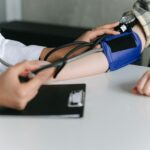
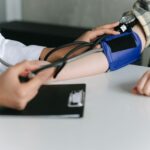
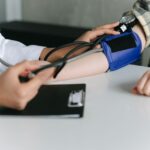
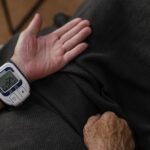
Sometimes doctors measure blood pressure while you are lying, sitting, and standing. This helps diagnose orthostatic hypotension. The test is simple and takes only a few minutes.
What Are the Treatment Options?
Treatment depends entirely on the cause. For dehydration, drinking fluids or receiving intravenous fluids usually restores blood pressure. For blood loss, the priority is stopping the bleeding and replacing lost volume.
For infections, antibiotics and fluids are the mainstays of treatment. For allergic reactions, epinephrine is the first-line treatment and must be given promptly. For medication-related drops, adjusting the dose or switching drugs may resolve the problem.
For chronic orthostatic hypotension, lifestyle measures can help. Rising slowly from sitting or lying positions gives your body time to adjust. Wearing compression stockings can prevent blood from pooling in your legs. Increasing salt and fluid intake may help, but only under a doctor’s guidance — excess salt is harmful for people with heart failure or kidney disease.
Can You Prevent a Sudden Drop?
Prevention is possible when the cause is known. Staying hydrated is the most effective preventive step for most people. Drinking enough water throughout the day maintains blood volume and helps stabilize pressure.
If you take blood pressure medication, take it at the same time each day and do not miss doses. If you experience dizziness after taking a dose, talk to your doctor. They may adjust the timing or the dose.
Avoiding alcohol, especially in large amounts, can help. Alcohol causes dehydration and widens blood vessels, both of which lower pressure. Eating smaller, more frequent meals can prevent post-meal hypotension, a condition where blood pressure drops after eating because blood pools in the digestive tract.
Frequently Asked Questions
What should I do if I feel dizzy from a sudden blood pressure drop?
Sit or lie down immediately to prevent falling and injury. Raise your legs above heart level if possible, and drink water if you are not nauseated.
Can anxiety cause a sudden drop in blood pressure?
Anxiety typically raises blood pressure, not lowers it. However, fainting triggered by emotional stress, called vasovagal syncope, can cause a rapid drop in both heart rate and blood pressure.
How fast can blood pressure drop dangerously?
A dangerous drop can occur within seconds to minutes during events like anaphylaxis or severe bleeding. In other cases, such as medication effects, it may develop over several hours.
Is a sudden drop in blood pressure always serious?
No. Brief drops when standing up are common and often harmless. But a drop with fainting, chest pain, or confusion requires urgent medical evaluation.
