
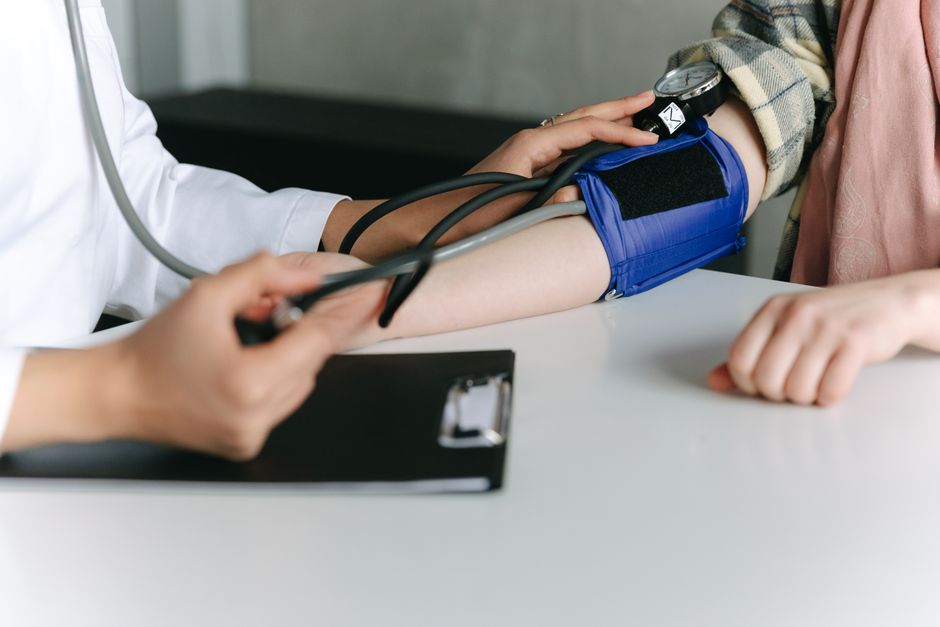
High blood pressure is one of the most common health conditions in the United States, and it rarely causes symptoms until it has already done damage. The good news is that blood pressure responds quickly to lifestyle changes. Most people can lower their numbers within weeks by focusing on sodium, body weight, physical activity, and alcohol. For some, these changes are enough to avoid medication entirely. For others, they make medication work better. The steps below are the ones with the strongest evidence behind them.
What Can I Do To Get My Blood Pressure Down?
Cut your sodium intake to under 2,300 milligrams per day, and aim for 1,500 milligrams if you can manage it. Lose weight if you are overweight, even 5 to 10 pounds makes a measurable difference. Move your body for at least 30 minutes on most days. Limit alcohol to no more than two drinks per day for men and one for women. These four changes are the foundation of every blood pressure treatment plan.
Blood pressure is not static. It changes minute to minute based on what you eat, how stressed you are, and how well you slept. That means the choices you make today can show up on the monitor within days. The heart and blood vessels respond quickly to changes in salt and fluid balance, which is why dietary changes often produce results faster than people expect.
How Much Does Cutting Salt Actually Help?
Salt is the single most important dietary factor for blood pressure in most people. When you eat excess sodium, your body holds onto water to keep the sodium concentration stable. More fluid in your blood vessels means more pressure against the vessel walls. Reducing sodium allows the kidneys to flush out that extra fluid, and pressure drops.
The average American consumes around 3,400 milligrams of sodium per day, well above the recommended limit of 2,300 milligrams. The effect of reducing sodium varies by person, but research consistently shows that cutting intake by about 1,000 milligrams per day can lower systolic blood pressure by several points. People over 50, people with existing high blood pressure, and people of African descent tend to see the largest drops.
Most sodium does not come from the salt shaker. It comes from packaged and restaurant food. Bread, deli meat, canned soup, pizza, and condiments are among the biggest contributors. Reading nutrition labels and cooking more meals at home are the most reliable ways to actually reduce intake.
What Is the DASH Diet and Does It Work?
The DASH diet — Dietary Approaches to Stop Hypertension — is one of the most studied diets in medical history. It emphasizes fruits, vegetables, whole grains, lean protein, and low-fat dairy while limiting saturated fat, sugar, and sodium. The diet was designed specifically for blood pressure, and clinical trials have shown it lowers pressure within weeks.
The DASH diet works through several mechanisms at once. Potassium from fruits and vegetables helps the kidneys excrete sodium. Calcium and magnesium support normal blood vessel function. The high fiber content helps with weight management. The combination of these effects produces a larger drop than any single nutrient alone.
You do not need to follow DASH perfectly to benefit. The research shows that even partial adherence produces meaningful reductions. The most important elements are increasing potassium-rich foods like bananas, potatoes, leafy greens, and beans, while simultaneously cutting processed foods. A typical DASH meal plan includes 4 to 5 servings of vegetables, 4 to 5 servings of fruit, and 6 to 8 servings of whole grains per day.
Why Does Weight Loss Lower Blood Pressure?
Excess body weight forces the heart to work harder. Every pound of fat tissue requires blood vessels to supply oxygen and nutrients, and those extra vessels increase the total resistance in your circulatory system. More resistance means higher pressure. Fat tissue also releases inflammatory compounds that make blood vessels stiffer and less responsive to relaxation signals.
Weight loss reverses this process. The heart pumps against less resistance, and blood vessel function improves. The effect is measurable early — losing just 5 percent of your body weight, which is 10 pounds for a 200-pound person, typically lowers systolic pressure by about 5 points. Losing 10 percent of body weight produces even larger reductions.
Where you carry weight matters. Fat stored in the abdomen, called visceral fat, is more metabolically active and produces more inflammatory compounds than fat stored under the skin. Waist circumference is therefore a useful predictor of blood pressure risk. Men with a waist over 40 inches and women with a waist over 35 inches are at higher risk, and that risk drops as waist size decreases.
How Much Exercise Is Needed to Lower Blood Pressure?
Aerobic exercise is the most effective type for blood pressure, but resistance training also helps. The research supports 150 minutes of moderate-intensity aerobic activity per week, which is about 30 minutes on five days. Brisk walking, cycling, swimming, and jogging all qualify. Moderate intensity means you can talk but not sing during the activity.
Exercise lowers blood pressure through several mechanisms. It improves the flexibility of blood vessel walls, making them better able to expand and contract. It stimulates the release of nitric oxide, a molecule that signals blood vessels to relax. It also reduces the activity of the sympathetic nervous system, which controls the fight-or-flight response that raises pressure.
The acute effect of a single exercise session is significant. Blood pressure drops during exercise and stays lower for several hours afterward, a phenomenon called post-exercise hypotension. This is why regular exercise produces a cumulative effect — each session contributes to a lower baseline. Even breaking exercise into 10-minute chunks throughout the day provides benefits.
Does Alcohol and Caffeine Affect Blood Pressure?
Alcohol has a direct and immediate effect on blood pressure. Drinking raises pressure within minutes, and the effect can last for hours. Over time, heavy drinking damages blood vessel walls and makes high blood pressure more likely to become permanent. The evidence consistently shows that reducing alcohol intake lowers blood pressure, and people who drink heavily see the largest drops when they cut back.
Moderate drinking is defined as no more than two drinks per day for men and one for women. One drink is 12 ounces of beer, 5 ounces of wine, or 1.5 ounces of distilled spirits. If you do not drink, there is no health reason to start. The blood pressure benefits of alcohol are zero — this is purely about limiting harm.
Caffeine is different. It causes a temporary spike in blood pressure that lasts 30 minutes to a few hours, but regular coffee drinkers develop tolerance to this effect. Long-term coffee consumption is not associated with higher blood pressure or increased cardiovascular risk. If you have high blood pressure, there is no need to give up coffee, but it is worth checking your pressure before and after your morning cup to see how your body responds.
When Is Medication Necessary?
Lifestyle changes are powerful, but they are not always enough. The decision to start medication depends on your blood pressure numbers and your overall cardiovascular risk. Normal blood pressure is below 120/80. Elevated is 120-129 systolic with a diastolic below 80. Stage 1 hypertension is 130-139 systolic or 80-89 diastolic. Stage 2 is 140/90 or higher.
Doctors typically recommend lifestyle changes first for people with elevated blood pressure or Stage 1 hypertension who have low overall cardiovascular risk. Medication is usually started immediately for Stage 2 hypertension or for anyone with high blood pressure plus diabetes, kidney disease, or a history of heart disease. These are general patterns — your doctor makes the final decision based on your full health picture.
If your doctor prescribes medication, lifestyle changes still matter. Medication and lifestyle work through different mechanisms, and the combination is more effective than either alone. Some people who make significant lifestyle changes can reduce their medication dose over time, but never stop or change your blood pressure medication without talking to your doctor. Stopping suddenly can cause dangerous spikes in pressure.
How Quickly Can You See Results?
Sodium reduction can lower blood pressure within days. Weight loss produces gradual improvement over weeks and months. Exercise has both immediate and long-term effects. The timeline depends on which changes you make and how consistent you are.
Most people who follow the DASH diet and reduce sodium see measurable improvement within two to four weeks. Weight loss of 5 to 10 percent typically produces noticeable changes within one to three months. Regular exercise shows benefits within the first month and continues to improve over time. If you make all of these changes together, you should see meaningful improvement within a month.
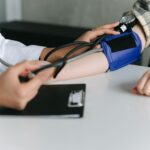
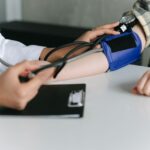
Home blood pressure monitoring is useful during this period. Check your pressure at the same time each day, after sitting quietly for five minutes, with your feet flat on the floor and your arm supported at heart level. Record the readings and share them with your doctor. This gives you both a clear picture of what is working.
Frequently Asked Questions
Can drinking more water lower blood pressure?
Staying hydrated is important for overall health, but drinking extra water does not directly lower blood pressure. Dehydration can cause low blood pressure, but the opposite — drinking more than your body needs — does not reduce high blood pressure.
How long does it take for lifestyle changes to lower blood pressure?
Most people see measurable improvement within two to four weeks of consistent changes. Sodium reduction works fastest, while weight loss and exercise produce gradual improvement over one to three months.
Is it safe to stop blood pressure medication once numbers improve?
No — never stop blood pressure medication without your doctor’s guidance. Stopping suddenly can cause dangerous spikes in pressure. Your doctor may reduce your dose if lifestyle changes have improved your numbers.
Does stress reduction actually lower blood pressure?
Acute stress raises blood pressure temporarily, but the evidence that stress reduction techniques lower long-term blood pressure is mixed. Managing stress is good for overall health, but it should not replace diet, exercise, and medication as the primary treatment.
