
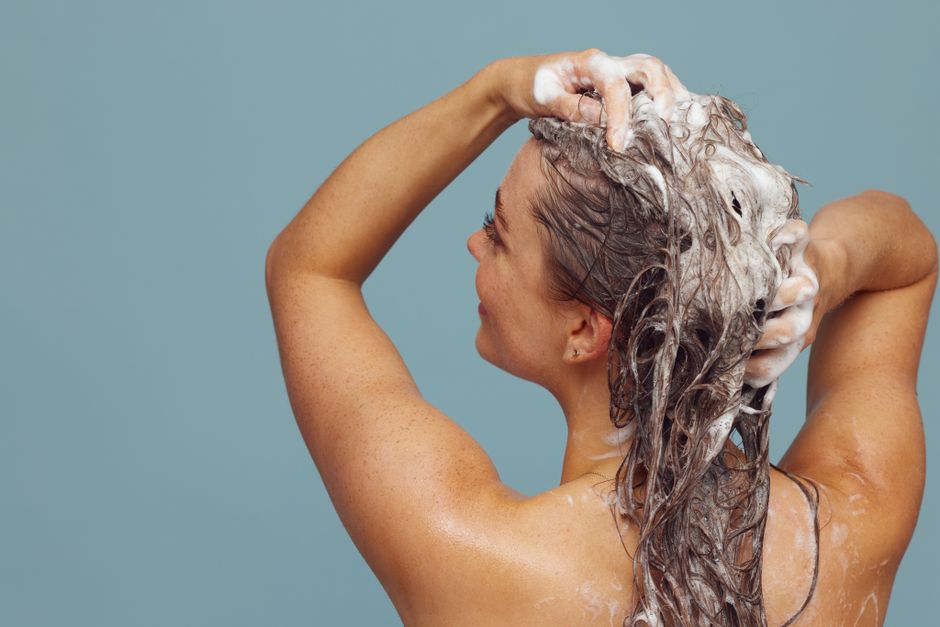
The healthiest shampoo for your hair does not come in a fancy bottle with a high price tag. It is the one that matches your specific scalp type, hair texture, and any underlying conditions you may have. After reviewing the available evidence, the answer is simpler than most marketing suggests: a mild, sulfate-free cleanser with ingredients appropriate for your scalp’s microbiome and your hair’s protein needs.
What Makes a Shampoo Healthy for Your Hair?
A healthy shampoo cleans your scalp without stripping it. Your scalp has a natural barrier made of oils and good bacteria. Harsh detergents break this barrier down. When that happens, your scalp can become dry, itchy, or overproduce oil to compensate.
The American Academy of Dermatology recommends looking for shampoos that are free of sulfates like sodium lauryl sulfate and sodium laureth sulfate. These ingredients create a big lather but can be too aggressive for many people. Not everyone needs to avoid sulfates completely. People with very oily hair or those who use heavy styling products may actually benefit from a mild sulfate shampoo once a week.
A healthy shampoo also has a pH close to your scalp’s natural range of 4.5 to 5.5. Most standard shampoos sit around pH 6 to 7. Research published in the International Journal of Trichology found that shampoos with a higher pH can cause frizz, breakage, and damage to the hair cuticle over time. A pH-balanced shampoo helps keep the cuticle flat and smooth, which makes hair look shinier and feel softer.
What Ingredients Should You Look For?
The ingredient list tells you more than any label on the front of the bottle. Look for a few key categories.
Surfactants are the cleaning agents. The gentlest options are coco-glucoside, decyl glucoside, and sodium cocoyl isethionate. These are plant-derived and do not strip the scalp the way sulfates do. If you have a sensitive scalp or conditions like eczema or psoriasis, these are your best choice.
Moisturizing ingredients like glycerin, aloe vera, and panthenol (provitamin B5) help maintain hydration. Glycerin attracts water to the hair shaft. Panthenol adds a thin protective layer that reduces breakage.
For scalp health, look for ingredients like salicylic acid if you have dandruff or buildup, or pyrithione zinc if you have seborrheic dermatitis. The National Eczema Association recommends these ingredients for their anti-inflammatory and antifungal properties.
Avoid shampoos with high concentrations of essential oils if you have a sensitive scalp. Many natural brands load their products with peppermint, tea tree, or eucalyptus oil. These can be irritating in high amounts. Some people report good results with them, but strong evidence is limited for their effectiveness beyond mild cases.
Does Sulfate-Free Really Matter?
Sulfate-free shampoos have become the standard recommendation, and for good reason. Studies have found that sulfates are effective at removing dirt and oil, but they also remove the natural sebum your scalp produces. This sebum protects your hair and keeps it flexible.
The concern with sulfates is not that they are toxic. That claim has been overhyped online. The real issue is that they can be too drying for many hair types. If you have curly, coily, or color-treated hair, sulfates can cause significant damage over time. Curly hair is naturally drier because the oils from the scalp have a harder time traveling down the hair shaft. Sulfates make this worse.
However, some people report that sulfate-free shampoos leave their hair feeling greasy or weighed down. This is common for people with fine, straight hair. If that happens to you, a low-sulfate shampoo used once every few washes may work better. The healthiest shampoo is the one that leaves your scalp clean without irritation and your hair manageable without damage.



How Do You Choose Based on Your Hair Type?
Your hair type should drive your choice more than any trend or brand name. Here is a straightforward guide based on what the evidence supports.
| Hair Type | Key Needs | Recommended Shampoo Type |
|---|---|---|
| Fine, straight hair | Light cleansing without buildup | Gentle sulfate-free shampoo with lightweight moisturizers |
| Curly or coily hair | Moisture retention and reduced friction | Creamy sulfate-free shampoo with glycerin and natural oils |
| Color-treated hair | Color preservation and cuticle protection | Sulfate-free shampoo with UV filters and antioxidants |
| Oily scalp | Oil control without over-drying | Clarifying shampoo with salicylic acid used 1-2 times per week |
| Dry or damaged hair | Repair and hydration | Moisturizing shampoo with panthenol and ceramides |
| Sensitive scalp | Soothing and non-irritating | Fragrance-free, sulfate-free shampoo with aloe or oat extract |
This table is not a prescription. It is a starting point. You may need to try two or three different shampoos before finding what works for you. That is normal. Hair changes with age, hormones, seasons, and even water hardness in your area.
What About Natural and Organic Shampoos?
Natural and organic shampoos are popular, but the label does not guarantee a healthier product. The term “natural” is not regulated by the FDA. A shampoo can call itself natural and still contain harsh surfactants or high levels of fragrance.
Some natural shampoos use soap-based cleansers like castile soap. These have a high pH, often around 9 or 10. That is far above your scalp’s natural pH. Using them regularly can cause frizz, tangling, and a dull appearance. Research from the Journal of Cosmetic Dermatology confirms that high-pH shampoos increase friction between hair fibers, leading to breakage.
Organic certifications from the USDA mean the plant ingredients were grown without synthetic pesticides. That is good for the environment and for reducing your exposure to certain chemicals. But organic does not mean gentle. An organic shampoo can still contain irritating essential oils or high-pH cleansers.
If you prefer natural products, look for one that is also pH-balanced and sulfate-free. Check the ingredient list yourself. Do not rely on the front of the bottle.
Common Misconceptions About Healthy Shampoo
One common myth is that you should rotate shampoos to prevent your hair from getting “used to” one formula. This is not supported by any evidence. Your hair does not build a tolerance to shampoo. If a shampoo stops working for you, it is more likely that your scalp or hair condition has changed, or that buildup from other products is interfering.
Another myth is that more lather means better cleaning. Lather is mostly cosmetic. Sulfates create big bubbles, but they do not clean better than gentler surfactants. A shampoo that does not lather much can still be very effective.
Some people believe that shampooing less often is always healthier. This depends entirely on your scalp type. People with oily scalps may need to wash daily. The American Academy of Dermatology says that washing frequency should be based on your hair type and how much oil your scalp produces. For many people, washing every other day or three times a week is fine. For others, daily washing is necessary to prevent buildup and itching.
A final misconception is that expensive shampoos are always better. Price does not correlate with ingredient quality in a predictable way. Many affordable drugstore shampoos have excellent ingredient profiles. The key is reading the label, not the price tag.
Frequently Asked Questions
Is sulfate-free shampoo always better for your hair?
Not for everyone. Sulfate-free shampoos are gentler and better for dry, curly, or color-treated hair. People with very oily hair may find them insufficient for thorough cleansing.
Can shampoo cause hair loss?
Shampoo alone does not cause permanent hair loss. Harsh shampoos can cause breakage and make hair look thinner, but true hair loss is usually genetic or hormonal.
How often should I wash my hair?
It depends on your scalp type and hair texture. Oily scalps may need daily washing. Dry or curly hair can go two to four days between washes.
Does silicone in shampoo damage hair?
Non-water-soluble silicones can build up over time and make hair feel heavy or dull. Water-soluble silicones are fine for most people and do not cause damage.
