
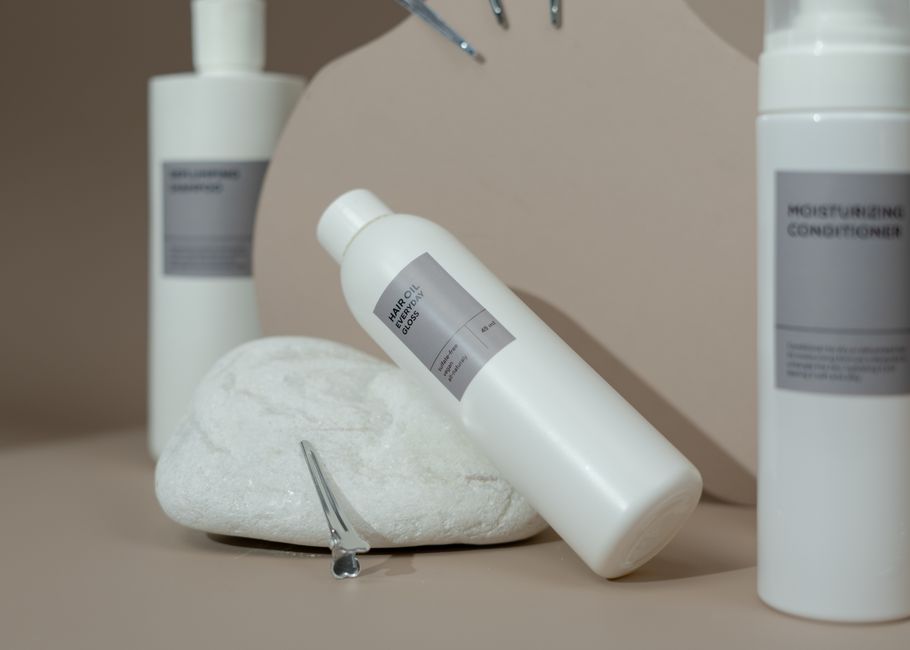
The best shampoo and conditioner for hair loss are products containing ingredients like ketoconazole, minoxidil, saw palmetto, and biotin that target the underlying causes of thinning hair. No single product works for everyone because hair loss has many different causes, from genetics to hormones to stress. The right choice depends on what is driving your hair loss and how your scalp responds to specific ingredients.
What Causes Hair Loss in the First Place?
Hair loss affects about 80 million people in the United States according to the American Academy of Dermatology. Men and women both experience it but the patterns differ.
The most common type is androgenetic alopecia, also called male or female pattern baldness. This is genetic and linked to how your hair follicles react to a hormone called dihydrotestosterone (DHT). DHT shrinks hair follicles over time which makes hair thinner and shorter until it stops growing.
Other causes include telogen effluvium which happens after major stress, illness, or rapid weight loss. This type is temporary and hair usually grows back within six months. Thyroid problems, iron deficiency, and certain medications can also trigger hair shedding.
Understanding the cause matters because it tells you whether a shampoo and conditioner can help at all. Products applied to the scalp cannot fix a thyroid issue or a nutrient deficiency. But they can help with DHT-related thinning and scalp inflammation.
Does the Best Shampoo and Conditioner for Hair Loss Actually Work?
Yes but with important limits. Shampoo and conditioner stay on your scalp for a short time. That means active ingredients need to work quickly or be left on long enough to absorb.
Research shows that certain ingredients in shampoo can reduce hair shedding and support regrowth. A 2014 study published in the Journal of Drugs in Dermatology found that ketoconazole shampoo, used at 1% or 2% concentration, reduced hair shedding in men with androgenetic alopecia. The effect was similar to topical minoxidil for some participants.
Minoxidil is the only FDA-approved ingredient for hair regrowth that is available without a prescription. It works best as a leave-on treatment rather than a rinse-off shampoo. Some shampoos include minoxidil but the contact time is usually too short for full effect.
The best shampoo and conditioner for hair loss will support a healthy scalp environment. A clean, balanced scalp with good blood flow gives hair follicles the best chance to grow. Products that reduce inflammation, remove excess sebum, and block DHT activity can make a real difference over several months.
What Ingredients Should You Look For?
Not all ingredients are backed by the same level of evidence. Here is what the research actually supports.
Ketoconazole is an antifungal that also has anti-inflammatory and anti-androgen effects. Studies show it reduces scalp DHT levels and decreases hair shedding. It is available over the counter in 1% shampoos like Nizoral and by prescription at 2%.
Saw palmetto is a plant extract that may block the enzyme that converts testosterone to DHT. Some studies suggest it reduces hair loss but the evidence is not as strong as ketoconazole. It is widely used in natural hair loss shampoos.
Caffeine has been studied for its ability to stimulate hair follicles. A 2018 study in the International Journal of Dermatology found that caffeine applied to the scalp increased hair growth in male hair follicles in a lab setting. Whether this translates to real world results from a shampoo is less clear.
Biotin is a B vitamin that supports keratin production. Biotin deficiency is rare and taking extra biotin will not help with genetic hair loss. But it is commonly added to hair products and is safe to use.
Niacinamide and zinc pyrithione help reduce scalp inflammation. An inflamed scalp can worsen hair shedding so these ingredients support overall scalp health.
| Ingredient | Evidence Level | What It Does |
|---|---|---|
| Ketoconazole | Strong | Reduces DHT and inflammation on scalp |
| Minoxidil | Strong | Stimulates hair follicles directly |
| Saw palmetto | Moderate | May block DHT production |
| Caffeine | Moderate | Stimulates follicle activity |
| Biotin | Weak for hair loss | Supports keratin only if deficient |
What Should You Avoid in Hair Loss Shampoos?
Many products on the market make bold claims that the evidence does not support. Some ingredients can even make hair loss worse.
Sulfates like sodium lauryl sulfate and sodium laureth sulfate are harsh detergents that strip natural oils from the scalp. For people with sensitive scalps or inflammatory hair loss, sulfates can increase irritation and shedding. If your scalp is already inflamed, a sulfate-free shampoo is a safer choice.
Silicones coat the hair shaft which can make hair look fuller temporarily. But they can also build up on the scalp and clog hair follicles. For people prone to folliculitis or scalp acne, silicones may worsen the problem.
Artificial fragrances are common irritants. A 2020 review in the Journal of Clinical and Aesthetic Dermatology noted that fragrance is one of the most common causes of contact dermatitis on the scalp. An irritated scalp sheds more hair.
Some people report that products with high alcohol content dry out the scalp. Dry, flaky skin can trigger inflammation and itching which may increase shedding. If your scalp feels tight or itchy after washing, switch to a gentler formula.
As of 2026 there is no clinical evidence that collagen shampoos, caffeine sprays, or red light combs reverse genetic hair loss on their own. These are widely marketed but strong evidence is limited. Some people report benefits but individual results vary widely.
How Do You Choose the Right Product for Your Hair Type?
Your hair type and scalp condition matter just as much as the active ingredients. The best shampoo and conditioner for hair loss for someone with oily scalp and dandruff is different from what works for someone with dry, brittle hair.
If you have an oily scalp and visible thinning, look for a shampoo with ketoconazole or zinc pyrithione. These control oil and reduce microbial overgrowth. Use it two to three times per week. On other days use a gentle sulfate-free shampoo.
If you have a dry or sensitive scalp, avoid harsh cleansers. Look for shampoos with aloe vera, oat extract, or glycerin. These soothe the scalp without stripping moisture. Ketoconazole can be drying so use it sparingly and follow with a conditioner that contains ceramides or shea butter.
If you have curly or coily hair, your scalp produces less oil and your hair is more fragile. Sulfate-free shampoos and rich conditioners are essential. Look for products with biotin and saw palmetto but avoid high alcohol content. Wash less frequently, maybe once or twice a week, to preserve natural moisture.
If you are using topical minoxidil, apply it to a clean dry scalp. Wash your hair first with a gentle shampoo then wait for your scalp to dry completely before applying the minoxidil. This helps absorption and reduces irritation.
What Are the Side Effects of Hair Loss Shampoos?
Most side effects are mild and go away after a few weeks. The most common is scalp irritation including redness, itching, or flaking. This happens most often with ketoconazole and minoxidil.
Ketoconazole at 2% strength can cause dryness and irritation. If this happens, reduce use to once per week or switch to the 1% version. Some people also notice a change in hair texture or color, though this is rare.
Minoxidil can cause an initial shedding phase during the first two to eight weeks. This is actually a sign that the product is working as it pushes out old hairs to make room for new growth. Many people stop using it during this phase which is a mistake. The shedding stops and regrowth follows if you stick with it.
Saw palmetto is generally well tolerated but some people report mild stomach upset or headache. There is no strong evidence that saw palmetto interferes with hormone levels in men or women at the doses found in shampoos.
If you experience swelling, hives, or difficulty breathing after using any hair product, stop immediately and seek medical attention. These are signs of an allergic reaction and are rare but serious.
Can You Use Hair Loss Shampoo with Other Treatments?
Yes and this is often the most effective approach. The best shampoo and conditioner for hair loss works best as part of a broader plan that includes topical treatments, lifestyle changes, and sometimes oral medications.
Many dermatologists recommend using a ketoconazole shampoo alongside topical minoxidil. The shampoo reduces DHT and inflammation while the minoxidil stimulates growth directly. A 2014 study in the Journal of the American Academy of Dermatology found that combining ketoconazole shampoo with minoxidil produced better results than either treatment alone.
Oral finasteride is a prescription medication that blocks DHT production systemically. It is effective for men with androgenetic alopecia but comes with potential side effects including reduced libido. Shampoos cannot replace finasteride but they can complement it by addressing scalp health locally.
Low level laser therapy devices, like laser caps and combs, are FDA-cleared for hair regrowth. They work by stimulating blood flow to the scalp. Using a medicated shampoo alongside laser therapy may improve results but the research on combining them is still limited.
Diet matters too. Iron deficiency is a common cause of hair loss in women. If your ferritin levels are below 30 ng/mL, supplements may help. Vitamin D deficiency is also linked to hair shedding. A blood test can tell you if you need to address these before expecting results from topical products.
Frequently Asked Questions
How long does it take for hair loss shampoo to work?
Most people need to use a medicated shampoo consistently for three to six months before seeing noticeable results. Hair growth cycles are slow and shedding may increase briefly before improving.
Can shampoo alone stop hair loss?
Shampoo alone is rarely enough to stop genetic hair loss completely. It works best when combined with treatments like minoxidil, a healthy diet, and sometimes oral medications prescribed by a doctor.
Is prescription strength shampoo better than over the counter?
Prescription ketoconazole at 2% is stronger than the 1% over the counter version and may work faster for some people. Both are effective but the 2% version requires a doctor’s approval.
Do hair loss shampoos work for women too?
Yes, many of the same ingredients like ketoconazole and minoxidil work for women. Women should avoid finasteride unless prescribed by a doctor and should check with their dermatologist before starting any new hair loss product.
