
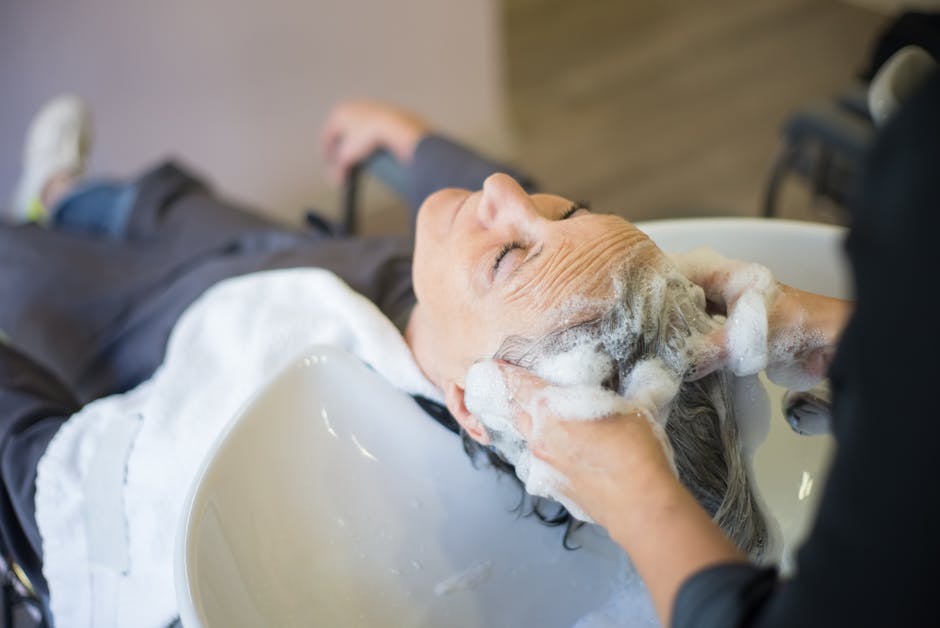
Hair thinning shampoo is a specialized cleanser formulated with active ingredients like caffeine, biotin, or saw palmetto that claim to strengthen existing hair and create a healthier scalp environment. Unlike regular shampoo that just cleans, these products target the follicle itself with compounds meant to reduce breakage and improve hair diameter. Some contain DHT blockers, which theoretically slow hormone-related thinning. Research on effectiveness is mixed — some ingredients show promise in studies, while others rely heavily on marketing rather than clinical proof.
How Does Hair Thinning Shampoo Work?
Most formulas work by delivering active ingredients directly to the scalp during your shower. Caffeine-based shampoos penetrate the follicle to stimulate growth at a cellular level. Biotin strengthens the keratin structure of each strand. Ketoconazole, an antifungal, reduces scalp inflammation that can impede growth. Some formulas include niacin to improve blood flow to follicles.
The catch is contact time. Most people rinse shampoo off in under two minutes. Studies testing caffeine shampoos used a two-minute application minimum. Anything less probably washes the active ingredients down the drain before they penetrate.
DHT-blocking shampoos use saw palmetto or pumpkin seed oil to inhibit the hormone linked to pattern baldness. As of 2026, evidence for topical DHT blockers in shampoo form remains limited compared to oral medications or leave-in treatments.
What Does Research on Hair Thinning Shampoo Show?
Caffeine shampoos have the most clinical backing. A 2018 study found daily use increased hair shaft thickness in women with thinning hair after six months. The caffeine had to stay on the scalp for at least two minutes to be absorbed.
Ketoconazole shampoo shows real promise. A study comparing 2% ketoconazole to minoxidil found both improved hair density, though minoxidil performed slightly better. Ketoconazole works by reducing scalp inflammation and may have mild anti-androgen effects.
Biotin shampoos are widely sold but evidence is weak. Biotin deficiency does cause hair loss, but deficiency is rare in developed countries. Applying biotin topically when you’re not deficient probably does nothing. Taking it orally might help if you’re actually low on it.
Saw palmetto shows inconsistent results. Some small studies suggest benefit when taken orally. Topical application in shampoo form has not been well studied in controlled trials.
| Ingredient | Evidence Level | How It Works |
|---|---|---|
| Caffeine | Moderate | Stimulates follicles, requires 2+ min contact |
| Ketoconazole | Strong | Reduces inflammation, mild anti-androgen |
| Biotin | Weak | Only helps if you’re deficient |
| Saw Palmetto | Limited | May block DHT, topical studies lacking |
What Are the Side Effects of Hair Thinning Shampoo?
Most formulas are well-tolerated. Ketoconazole can cause dryness, itching, or irritation in some users, especially at higher concentrations. Caffeine shampoos occasionally trigger scalp sensitivity but this is uncommon.
Biotin itself is safe but high doses from supplements can interfere with lab tests, giving false results for thyroid function or cardiac markers. This matters if you’re combining biotin shampoo with oral biotin supplements.
Some shampoos contain minoxidil, which is effective but comes with real side effects. Scalp irritation, unwanted facial hair growth in women, and initial shedding are all documented. Minoxidil also requires daily use indefinitely — stop using it and gains reverse within months.
Allergic reactions to fragrances or preservatives are possible with any shampoo. Patch test if you have sensitive skin.





Who Should Use Hair Thinning Shampoo?
People with early-stage thinning who want a low-commitment option may see modest benefit. If you’re losing 10-15% more hair than normal and want to try something before jumping to prescriptions, a caffeine or ketoconazole shampoo is reasonable.
If you already use minoxidil or finasteride, adding a ketoconazole shampoo might provide a small additional benefit. Some dermatologists recommend this combination.
These shampoos will not reverse advanced hair loss. If you’ve lost significant density or have visible bald patches, shampoo alone is not going to restore coverage. You’d need prescription treatments, PRP injections, or transplants.
People with scalp conditions like seborrheic dermatitis benefit from ketoconazole shampoo regardless of hair thinning, since it treats the underlying inflammation.
Expectations matter. A good hair thinning shampoo might reduce shedding by 10-20% or slightly thicken existing strands. It will not regrow hair where follicles have miniaturized completely.
- Leave shampoo on for at least two minutes before rinsing
- Use consistently for three to six months before judging results
- Combine with scalp massage to improve ingredient absorption
- Avoid switching products every few weeks — give one formula time to work
- Focus on ingredients with actual research backing, not just marketing claims
Hair thinning shampoos sit in an awkward middle ground. They’re more active than regular shampoo but far less potent than prescription treatments. For someone noticing early changes who wants a simple first step, they’re worth trying. For advanced loss, they’re a supplement at best, not a solution.
Related Posts
Frequently Asked Questions About Hair Thinning Shampoo
How long does it take for hair thinning shampoo to work?
Most studies show results after three to six months of consistent use. You might notice reduced shedding within eight weeks, but visible thickness changes take longer. Daily use is typically required to maintain any improvement.
Can hair thinning shampoo cause hair loss?
Shampoos containing minoxidil can cause temporary shedding in the first few weeks as weak hairs fall out to make room for stronger growth. This usually resolves within a month. Other ingredients rarely cause increased loss.
Should I use hair thinning shampoo every day?
Most formulas are designed for daily use, though some ketoconazole shampoos recommend 2-3 times per week to avoid dryness. Check the product label for specific guidance. Daily use is generally safe for most people.
Is expensive hair thinning shampoo better than drugstore brands?
Price does not correlate with effectiveness. A $10 ketoconazole shampoo often works better than a $50 boutique formula with unproven ingredients. Focus on active ingredients with research backing rather than branding or price point.
