
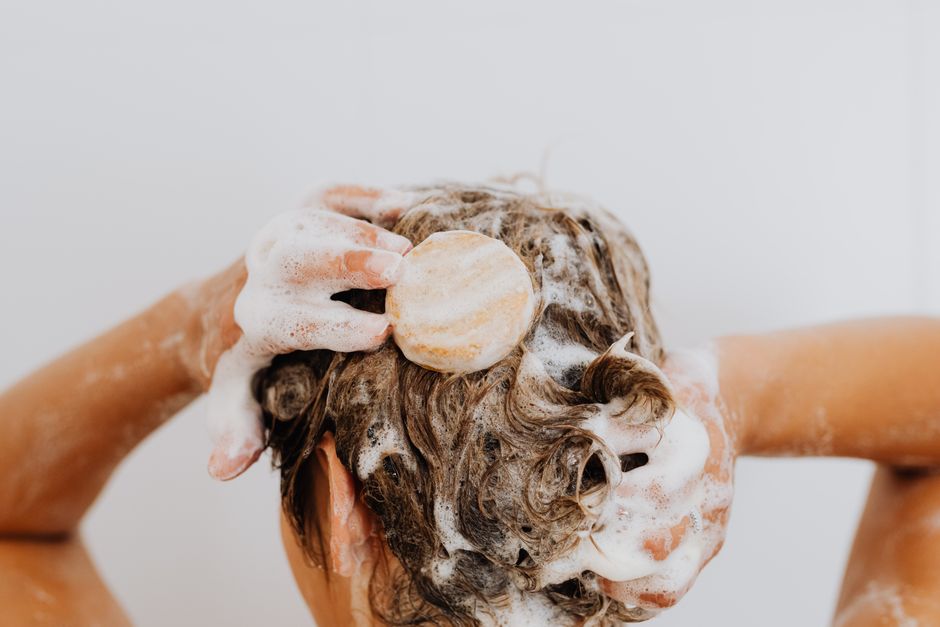
Baby shampoo is not better for your hair than regular shampoo, and for most adults it is actually less effective at cleaning. The idea that baby shampoo is gentler and therefore healthier for adult hair is a myth that has been repeated for years without much evidence to back it up. Baby shampoo is formulated for a baby’s fine, thin hair and sensitive scalp — not for adult hair that accumulates oil, product buildup, and environmental dirt. Using it regularly will likely leave your hair feeling less clean and may even cause buildup over time.
What Makes Baby Shampoo Different From Regular Shampoo?
Baby shampoo uses milder cleansing agents than standard adult shampoos. The main difference is the type of surfactants — the ingredients that create lather and remove oil. Most adult shampoos use sodium lauryl sulfate (SLS) or sodium laureth sulfate (SLES), which are strong cleansers. Baby shampoos typically replace these with gentler surfactants like cocamidopropyl betaine or decyl glucoside.
Baby shampoo also has a lower pH than many adult shampoos, usually around 6.5 to 7.0. This is closer to the natural pH of a baby’s scalp. Adult scalps have a slightly more acidic pH, around 4.5 to 5.5. The higher pH of baby shampoo can disrupt the acid mantle of an adult scalp over time.
Another key difference is fragrance. Baby shampoo is lightly scented or fragrance-free. Adult shampoos often have stronger fragrances that can irritate sensitive skin. For people with scalp conditions like eczema or contact dermatitis, the lower fragrance in baby shampoo can be a real benefit.
Does Baby Shampoo Clean Adult Hair Effectively?
Baby shampoo does not clean adult hair as well as regular shampoo. This is not a opinion — it is a matter of formulation. Adults produce more sebum than babies. The scalp has more oil glands and they are more active after puberty. Baby shampoo is designed to remove very little oil because babies do not produce much.
Research published in the Journal of the American Academy of Dermatology has shown that adult scalps produce significantly more sebum than infant scalps. A mild cleanser like baby shampoo simply cannot break down that amount of oil effectively. You would need to wash your hair more frequently or use more product to feel clean.
For people with very oily hair, baby shampoo will likely leave hair feeling greasy or heavy after washing. For people with dry or curly hair, the lack of strong cleansers might seem appealing at first. But the trade-off is that baby shampoo does not remove enough product buildup from styling products, dry shampoo, or hard water minerals. Over time, this buildup can make hair look dull and feel stiff.
Is Baby Shampoo Good For Your Hair If You Have a Sensitive Scalp?
For people with a truly sensitive scalp, baby shampoo can be a reasonable option — but it is not the only option and not always the best one. The American Academy of Dermatology recommends using mild, fragrance-free shampoos for people with scalp eczema or contact dermatitis. Baby shampoo fits that description for many people.
However, there are now many adult shampoos specifically formulated for sensitive scalps that do a better job of cleaning while staying gentle. Brands like Vanicream, Free & Clear, and certain dermatologist-recommended lines use the same mild surfactants found in baby shampoo but with a pH that matches adult skin better.
If you have a sensitive scalp and want to try baby shampoo, look for a version that is fragrance-free and dye-free. Some baby shampoos still contain fragrances that can irritate sensitive skin. The term “baby shampoo” is not regulated — any company can call their product baby shampoo regardless of what is in it.

What About Using Baby Shampoo to Remove Hair Color or Extensions?
Baby shampoo is sometimes recommended for stripping hair color or cleaning extensions. This is one area where the evidence actually supports the claim. Because baby shampoo is a weaker cleanser, it can slowly fade hair dye over time without the harsh stripping effect of strong sulfates. Some people use it intentionally to speed up color removal from semi-permanent dyes.
For hair extensions, especially tape-in or bonded types, baby shampoo is often recommended by stylists. The mild formula is less likely to break down the adhesive bonds. The same reason it cleans poorly — weak surfactants — makes it safer for bonded extensions. The American Board of Certified Haircolorists has noted that baby shampoo can help extend the life of keratin bonds and tape-in extensions.
But for routine use on colored hair that you want to keep vibrant, baby shampoo is not ideal. It does not contain the conditioning agents and color-protecting ingredients found in shampoos designed for color-treated hair. You would be trading gentleness for color preservation, and there is no evidence that baby shampoo preserves color better than a good color-safe shampoo.
What Are the Downsides of Using Baby Shampoo on Adult Hair?
There are several real downsides to using baby shampoo on adult hair. The most common complaint is buildup. Because baby shampoo does not remove oils and products thoroughly, residue accumulates on the scalp and hair shaft. This can lead to a dull appearance, limp hair, and even scalp itching or flaking.
A second issue is dryness paradox. Some people find that baby shampoo makes their hair feel dry and straw-like. This happens because the higher pH of baby shampoo can lift the hair cuticle, causing moisture loss. The cuticle does not lie flat again as easily without the acidic rinse that many adult shampoos provide.
Here is a quick comparison of how baby shampoo and standard adult shampoo differ on key factors:
| Factor | Baby Shampoo | Adult Shampoo |
|---|---|---|
| Cleansing strength | Mild — removes little oil | Strong — removes oil and buildup |
| pH level | 6.5 – 7.0 (neutral) | 4.5 – 5.5 (acidic) |
| Fragrance | Light or none | Often strong |
| Best for | Sensitive scalps, extensions | Most adult hair types |
| Worst for | Oily hair, product buildup | Very sensitive scalps |
Common Misconceptions About Baby Shampoo for Adults
The biggest misconception is that “gentle” means “better.” Gentle is only better if your hair or scalp actually needs less cleaning. For most adults, gentle means ineffective. Your hair produces oil and you use styling products. Baby shampoo was never designed to handle either.
Another myth is that baby shampoo is “all natural” or free of chemicals. Baby shampoo contains surfactants, preservatives, and sometimes fragrances just like adult shampoo. The ingredients are different, not absent. Some baby shampoos contain ingredients like PEG compounds or parabens that some people prefer to avoid.
There is also a persistent belief that baby shampoo is better for washing hair daily. Some people think that because it is mild, you can wash every day without damage. But daily washing with any shampoo can strip the scalp of natural oils. The frequency matters more than the type of shampoo for most people. The American Academy of Dermatology recommends washing hair once or twice a week for most hair types, regardless of the shampoo used.
When Might Baby Shampoo Actually Be a Good Choice?
Baby shampoo makes sense in a few specific situations. If you have a diagnosed scalp condition like seborrheic dermatitis or contact dermatitis, and your dermatologist recommends it, then use it. If you have tape-in or bonded hair extensions, baby shampoo can help them last longer. If you have very fine, thin hair that does not get oily quickly, baby shampoo might work for you — though a mild adult shampoo would likely work just as well.
For people who want to try baby shampoo, here are some practical tips:
- Use it only if you have a sensitive scalp or extensions
- Do not use it every day — even mild shampoos can cause issues with over-washing
- Clarify your hair once a month with a stronger shampoo to remove buildup
- Check the ingredient list — choose fragrance-free and dye-free versions
- If your hair feels greasy or heavy after washing, baby shampoo is not for you
For everyone else, a standard adult shampoo that matches your hair type is a better choice. There are plenty of gentle adult shampoos that clean effectively without being harsh. You do not need to use a product designed for infants to be kind to your hair.
Frequently Asked Questions
Can baby shampoo damage adult hair?
Baby shampoo is unlikely to damage hair directly, but it can cause buildup over time that makes hair look dull and feel heavy. The higher pH can also lift the hair cuticle, leading to dryness with repeated use.
Is baby shampoo good for curly hair?
Curly hair tends to be drier and more fragile, so baby shampoo might seem like a good fit. However, it does not provide enough moisture or curl-defining ingredients, and it may leave buildup that weighs curls down.
Does baby shampoo remove hair dye faster?
Yes, baby shampoo can fade semi-permanent hair dye faster than color-safe shampoos because it lacks color-protecting ingredients. Some people use it intentionally to strip color, but it is not ideal for maintaining vibrant dye.
Can I use baby shampoo every day?
You can use baby shampoo daily without stripping your scalp of oil, but daily washing is not necessary for most people. Washing every day can still disrupt the scalp’s natural balance over time.
