
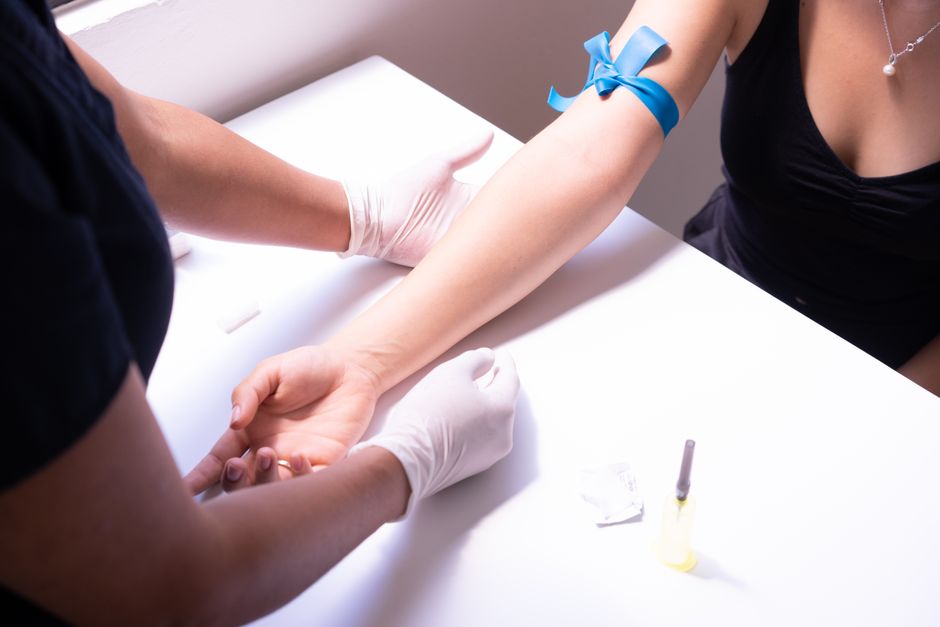
The fear of getting blood drawn is called trypanophobia. It is a specific phobia — a recognized anxiety disorder in the Diagnostic and Statistical Manual of Mental Disorders — not just a dislike of needles or a sign of being squeamish. Trypanophobia refers specifically to an intense, persistent fear of medical procedures involving injections or blood draws, and it can be severe enough that people avoid necessary medical care entirely.
What Is The Fear Of Getting Blood Drawn Called?
Trypanophobia is the clinical term for an intense fear of needles and procedures that involve them, including blood draws, vaccinations, and injections. The word comes from the Greek trypano (piercing) and phobos (fear).
It sits within a broader category called blood-injection-injury phobias, or BII. That category includes fear of blood, fear of injury, and fear of injections. What makes BII phobias unusual among anxiety disorders is how the body responds to them — a detail worth understanding because it shapes how they are managed.
Most phobias trigger a fight-or-flight response: heart rate climbs, blood pressure rises, breathing speeds up. Blood-injection-injury phobias often do the opposite. The body initially shows the usual anxiety surge, then swings into a sudden drop in heart rate and blood pressure. That drop is what causes fainting. It is a distinct physiological pattern, and it is one reason this phobia is treated differently from others.
How Common Is Trypanophobia?
Fear of needles is one of the more common phobias worldwide. Estimates vary widely depending on how studies define it — some count anyone who feels nervous, others count only people who meet clinical criteria for a phobia. That definitional gap explains why reported numbers range from roughly 20% to 30% of adults for some degree of needle fear, down to a smaller share with a true phobia.
The clinical version is less common than everyday needle discomfort but far from rare. It affects children and adults, and it tends to run in families. People with trypanophobia frequently report a parent or sibling with the same fear.
One consequence matters more than the prevalence number itself. Avoidance. People with significant needle fear are more likely to skip blood tests, vaccinations, and other procedures that require a needle. Over time, that avoidance can lead to missed diagnoses and delayed treatment — a bigger health problem than the fear itself.
What Causes A Fear Of Needles And Blood Draws?
There is no single cause. Trypanophobia usually develops from a mix of factors, and the specific trigger varies from person to person.
- Direct experience. A painful, prolonged, or traumatic blood draw — especially in childhood — is one of the most common starting points.
- Vicarious learning. Watching a parent, sibling, or friend react with fear or faint during a procedure can teach the same response.
- Informational learning. Hearing or reading frightening accounts of needles can plant the fear before any personal experience occurs.
- Genetic and temperament factors. Anxiety disorders tend to cluster in families, and some people appear more biologically reactive to certain triggers.
- Fainting history. People who have fainted during a blood draw often develop anticipatory fear afterward, which then reinforces itself.
The fainting piece deserves attention because it is often misunderstood. Fainting during a blood draw is not a sign of weakness or low pain tolerance. It is a reflex — a vasovagal response — in which the nervous system triggers a sudden widening of blood vessels and a slowing of the heart. Blood pools in the legs, blood pressure falls, and consciousness briefly drops. The reflex is involuntary.


What Happens In The Body During This Fear?
The response unfolds in two phases, and the second phase is the one that catches people off guard.
First comes the anxiety surge. The sympathetic nervous system activates. Heart rate and blood pressure rise. Muscles tense. Breathing quickens. This is the standard stress response, and it is what most people recognize as “feeling scared.”
Then, in people prone to the vasovagal reflex, the opposite happens. The parasympathetic nervous system takes over. Heart rate drops. Blood vessels in the limbs dilate. Blood pressure falls sharply. Blood flow to the brain decreases. The result is lightheadedness, nausea, cold sweat, ringing in the ears, and sometimes fainting.
This biphasic pattern — up, then down — is unique to blood-injection-injury phobias. It also explains why the standard advice to “breathe deeply and relax” can sometimes make things worse. Deep breathing and muscle relaxation lower blood pressure further, which can push someone already heading toward a faint right over the edge. For people with this pattern, tensing the muscles of the arms and legs is often more helpful than relaxing them. That technique has a name — applied tension — and it is discussed below.
What Are The Symptoms Of Trypanophobia?
Symptoms show up in three places: the mind, the body, and behavior. They can appear before, during, or after a blood draw.
Psychological symptoms include intense dread in the days or weeks before an appointment, a sense of losing control, and sometimes a feeling of shame about the reaction itself. Many people with trypanophobia describe the anticipation as worse than the procedure.
Physical symptoms include:
- Rapid heartbeat, then a sudden drop in heart rate
- Sweating, especially cold sweat
- Nausea or stomach upset
- Dizziness or lightheadedness
- Blurred or tunnel vision
- Ringing in the ears
- Pallor — the skin turning pale
- Fainting
Behavioral symptoms are the ones with the longest reach. Avoiding blood tests. Canceling appointments. Skipping vaccinations. Delaying care for conditions that need monitoring. Over years, this avoidance can quietly shape a person’s health trajectory.
How Is It Different From A Normal Dislike Of Needles?
Disliking needles is normal. Most people feel some unease before a blood draw. The difference is one of degree and consequence.
A phobia is diagnosed when the fear is out of proportion to the actual danger, persists over time, and causes real distress or interferes with daily life. Someone who feels a moment of nerves but goes through with the draw does not have trypanophobia. Someone who cancels, avoids, or becomes physically ill at the thought of it may.
There is no sharp line between the two. Fear exists on a spectrum, and where a person sits on that spectrum can shift with circumstances, past experiences, and how well the procedure went last time. A single bad draw can move someone along that spectrum. So can a single good one.
What Helps With A Fear Of Blood Draws?
Several approaches have evidence behind them. None of them require the person to “just get over it.”
Applied tension is the most specific technique for this phobia. It involves briefly tensing the large muscles of the arms, legs, and torso for about 10 to 15 seconds at a time, then releasing, repeated a few times. The goal is to keep blood pressure from dropping during the procedure. It is taught by some clinicians and can be learned before an appointment. This technique is designed specifically for people who faint or feel faint, not for everyone with needle fear.
Graded exposure means approaching the fear in small steps rather than all at once. This might start with looking at a picture of a needle, then holding one, then watching a blood draw, and eventually having one. It is often guided by a therapist. Doing it alone without a plan tends to backfire.
Cognitive behavioral therapy is well established for specific phobias generally. It works on the thoughts and behaviors that keep the fear going.
Practical measures at the appointment can make a real difference. Lying down instead of sitting up reduces the risk of fainting. Drinking water beforehand helps maintain blood volume. Looking away during the draw is fine and often helps. Telling the phlebotomist about the fear in advance is worth doing — it changes how they approach the procedure.
Medication is sometimes used for severe cases, but this is a decision for a clinician. It is not a first-line approach for most people.
What does not help: being told the fear is irrational, being rushed, or being surprised by the needle. These tend to make the next appointment harder.
Does Trypanophobia Ever Go Away?
Specific phobias often persist for years if untreated, but they respond well to treatment. The evidence for exposure-based therapy and cognitive behavioral approaches is strong for phobias in general, and trypanophobia is no exception.
That said, “go away” may not be the right frame. Many people who complete treatment still feel some unease before a blood draw. What changes is that the fear no longer controls their decisions. They can get the test done. That is the outcome that matters.
Untreated, the fear tends to hold steady or worsen, largely because avoidance prevents any corrective experience. Every skipped appointment confirms the belief that the procedure is unmanageable. Breaking that cycle — even partially — is where improvement starts.
Frequently Asked Questions
What is the medical term for fear of blood draws?
The medical term is trypanophobia, which refers to an intense fear of needles and needle-related procedures. It falls under a broader category called blood-injection-injury phobias.
Why do I faint when I get blood drawn?
Fainting during a blood draw is caused by the vasovagal reflex, which triggers a sudden drop in heart rate and blood pressure. It is an involuntary nervous system response, not a sign of weakness.
Is trypanophobia a real phobia or just being squeamish?
Trypanophobia is a recognized anxiety disorder listed in the Diagnostic and Statistical Manual of Mental Disorders. It is diagnosed when the fear is out of proportion to the danger and causes real distress or avoidance.
How can I make a blood draw less stressful?
Lying down during the draw, drinking water beforehand, and telling the phlebotomist about your fear can all help. For people who faint, a technique called applied tension is often more useful than relaxation.
