
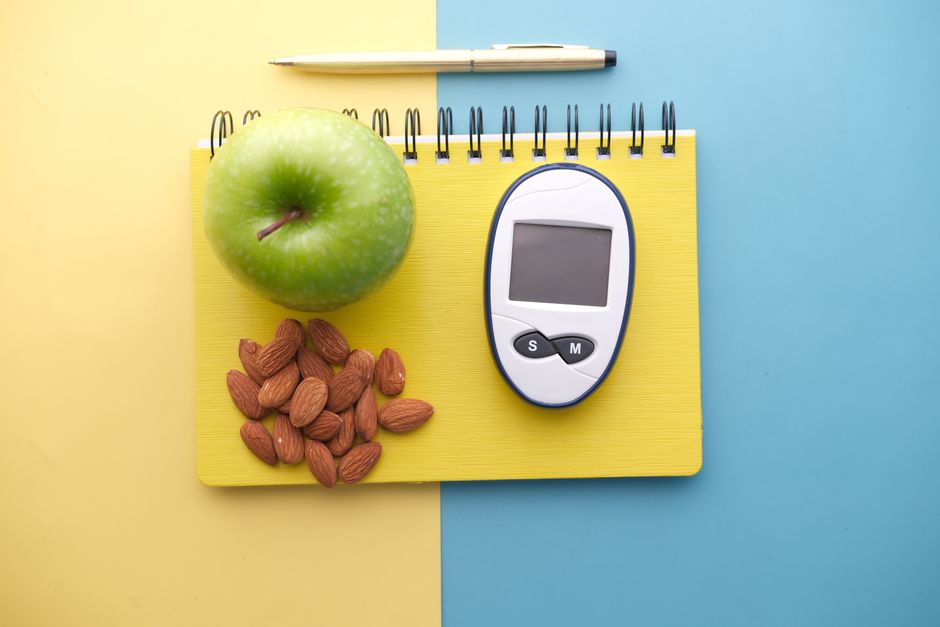
Keeping blood sugar low naturally comes down to a few core habits that work together: choosing foods that digest slowly, moving your body after meals, and managing stress and sleep. These actions help your body use insulin more effectively, which keeps glucose from building up in your bloodstream. The goal is not a perfect diet but a pattern of choices that you can maintain for years.
What Causes High Blood Sugar in the First Place?
Blood sugar rises when carbohydrates break down into glucose and enter your bloodstream. Your pancreas releases insulin, a hormone that tells your cells to absorb that glucose for energy. When this system works well, blood sugar returns to a normal range within a couple of hours after eating.
Problems start when cells stop responding to insulin properly. This is called insulin resistance. The pancreas works harder to produce more insulin, but over time it cannot keep up. Blood sugar stays higher than it should. This is the pathway to prediabetes and type 2 diabetes.
Several factors drive insulin resistance. Excess body fat, especially around the abdomen, is a major one. Physical inactivity makes it worse. Chronic stress raises cortisol, which pushes blood sugar up. Poor sleep also reduces insulin sensitivity. Genetics play a role too, but lifestyle factors are where you have the most control.
How To Keep Blood Sugar Low Naturally With Food Choices
The food you eat has the biggest direct effect on your blood sugar. Not all carbohydrates are equal. The key is to focus on the type and amount of carbohydrate you eat, and what you eat alongside it.
Foods high in fiber slow down digestion. This means glucose enters your bloodstream gradually instead of all at once. Vegetables, beans, lentils, whole grains, and most fruits are good sources of fiber. Refined grains like white bread and white rice have had most of the fiber removed, so they digest quickly and spike blood sugar.
Protein and fat also slow digestion. When you eat a meal with chicken, fish, eggs, beans, or nuts alongside carbohydrates, the rise in blood sugar is gentler. This is why a bowl of oatmeal with nuts and berries affects blood sugar differently than a bowl of sugary cereal.
One of the most practical habits is to pay attention to what you drink. Sugary drinks like soda, sweet tea, and fruit juice deliver a large amount of sugar very quickly. Liquid sugar enters your bloodstream faster than solid food. Water, unsweetened tea, and coffee are better choices.
Some research suggests that the order you eat your food matters. Eating vegetables and protein before carbohydrates can lead to a smaller blood sugar rise after the meal. The evidence is not overwhelming, but it is consistent enough that it is a reasonable strategy to try.
Physical Activity and Blood Sugar Control
Muscles use glucose for fuel without needing insulin. This is why exercise is one of the most effective tools for lowering blood sugar. When you are active, your muscles pull glucose directly from your bloodstream.
A single session of moderate exercise can lower blood sugar for several hours afterward. Regular physical activity improves insulin sensitivity over time. This means your cells become more responsive to insulin, so your pancreas does not have to work as hard.
Both aerobic exercise and resistance training help. Aerobic activities like walking, cycling, and swimming increase your heart rate and use glucose for energy. Resistance training like lifting weights builds muscle, and more muscle mass means more glucose can be stored and used.
Walking after meals is a simple habit with real benefits. A 10 to 15 minute walk after eating can blunt the post-meal blood sugar spike. This is easy to do and requires no special equipment. It works because your muscles are active and using glucose while your body is digesting.
The key is consistency. Thirty minutes of moderate activity most days of the week is a reasonable target for most people. If you have not been active, start with shorter sessions and build up gradually.



Sleep, Stress, and Blood Sugar
Blood sugar control is not only about food and exercise. Sleep and stress have direct biological effects on glucose metabolism.
Poor sleep reduces insulin sensitivity. Studies have shown that even a few nights of inadequate sleep can impair how well your body handles glucose. When you are sleep-deprived, your body produces more cortisol and other stress hormones, which signal your liver to release glucose into the bloodstream.
Chronic stress has a similar effect. Cortisol raises blood sugar as part of the body’s fight-or-flight response. If you are under constant stress, your blood sugar can run higher even when you are eating well. This is not about willpower. It is a physiological response.
Practical steps include aiming for seven to nine hours of sleep per night, keeping a consistent sleep schedule, and finding ways to manage stress that work for you. Deep breathing, walking, talking with friends, or any activity that helps you unwind can help keep stress hormones in check.
What About Vinegar, Cinnamon, and Other Supplements?
Certain foods and supplements get attention for their potential blood sugar effects. It is important to be honest about the evidence.
Apple cider vinegar has been studied for blood sugar control. Some research suggests that taking vinegar before a meal can modestly reduce the post-meal blood sugar rise. The effect appears small, and the studies are not large or long-term. It is not a substitute for diet and exercise, but it is unlikely to cause harm if you dilute it and do not have stomach issues.
Cinnamon is often promoted for blood sugar control. Some studies show small improvements in fasting blood sugar, while others show no effect. The evidence is mixed and the effect, if any, is small. There is no standard dose, and cinnamon supplements are not regulated like medications.
Supplements like berberine, alpha-lipoic acid, and chromium have some research behind them, but the studies are limited and results are inconsistent. No supplement has been proven to match the effects of lifestyle changes. Be cautious with any product that promises dramatic results. If a supplement sounds too good to be true, it probably is.
Before taking any supplement, especially if you have a medical condition or take medication, talk to your doctor. Some supplements interact with medications. For example, anything that lowers blood sugar could cause hypoglycemia if combined with diabetes medication.
When To See a Doctor About Blood Sugar
Lifestyle changes can help many people keep blood sugar in a healthy range. But they are not always enough. If you have symptoms of high blood sugar, or if you have risk factors for diabetes, medical evaluation matters.
Symptoms of high blood sugar include increased thirst, frequent urination, fatigue, blurry vision, and slow-healing wounds. Many people with prediabetes have no symptoms at all. This is why routine screening is important, especially if you are over 45, overweight, have a family history of diabetes, or have high blood pressure.
A simple blood test can tell you where you stand. Fasting blood sugar of 99 mg/dL or below is considered normal. A fasting level of 100 to 125 mg/dL indicates prediabetes. A level of 126 mg/dL or higher on two separate tests indicates diabetes. Your doctor may also use an A1C test, which measures your average blood sugar over the past two to three months.
If your blood sugar is already elevated, lifestyle changes are still valuable. They can slow the progression to diabetes and, in some cases, bring blood sugar back to normal. But you need to know your numbers first. Do not guess.
Frequently Asked Questions
What is the fastest way to lower blood sugar naturally?
Physical activity is the fastest natural way to lower blood sugar because working muscles pull glucose from the bloodstream. A brisk walk for 10 to 15 minutes can have a noticeable effect within an hour.
Can drinking water lower blood sugar?
Water helps your kidneys flush excess glucose through urine, but it does not directly lower blood sugar. Staying well-hydrated is important for overall health, but do not expect water alone to fix high blood sugar.
What foods should I avoid to keep blood sugar low?
Foods with refined carbohydrates and added sugar cause the biggest blood sugar spikes, including sugary drinks, white bread, white rice, and pastries. Pairing carbohydrates with protein, fat, and fiber slows digestion and blunts the rise.
Is it possible to reverse prediabetes naturally?
Yes, many people with prediabetes return to normal blood sugar levels with weight loss, regular physical activity, and healthier food choices. The key is consistency over months and years, not short-term effort.
