
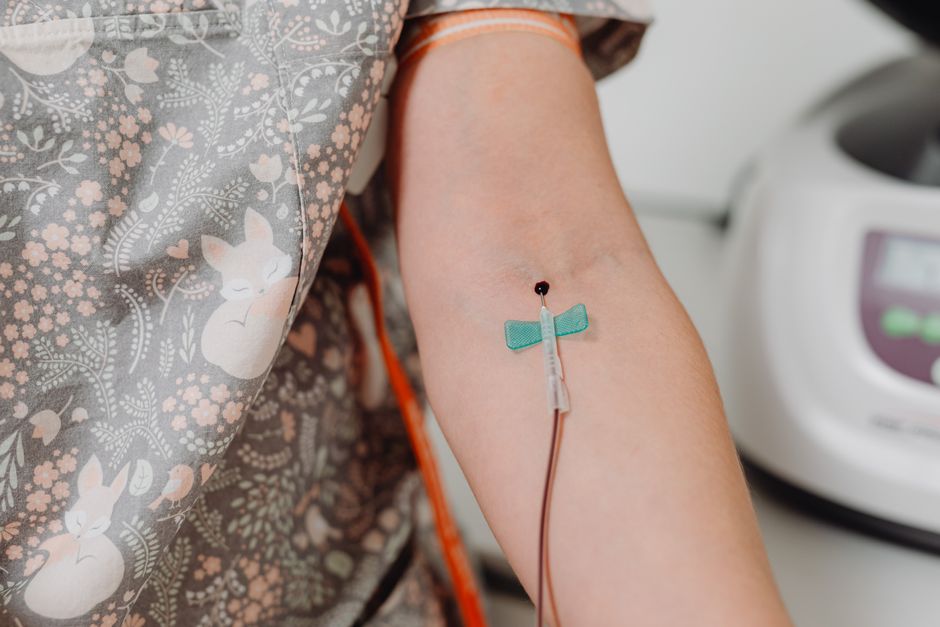
Most routine blood tests need only a small amount of blood — usually between 1 and 10 milliliters per tube. That is roughly a teaspoon or less. A typical blood draw for a standard panel, such as a complete blood count and basic metabolic panel, usually takes 2 to 4 tubes. Even a large set of tests rarely exceeds 30 milliliters, which is about 2 tablespoons. For context, the average adult has about 5 liters of blood, so a standard blood draw removes less than 1% of your total blood volume.
How Much Blood Is In Each Tube?
Blood collection tubes come in standard sizes, and the amount of blood drawn depends on the tests ordered. The most common tube sizes used in routine blood work are 3 to 5 milliliters. Some specialized tubes hold up to 8 or 10 milliliters.
Here is what a typical blood draw looks like:
- Complete Blood Count (CBC): 1 tube, usually 3-4 mL
- Basic Metabolic Panel (BMP): 1 tube, usually 3-5 mL
- Comprehensive Metabolic Panel (CMP): 1 tube, usually 3-5 mL
- Lipid Panel (cholesterol test): 1 tube, usually 3-5 mL
- Thyroid panel: 1 tube, usually 3-5 mL
- Full annual physical lab work: 2-4 tubes total, about 10-20 mL
If your doctor orders many tests at once, the lab may still only need 2 or 3 tubes. Labs are efficient. They can run multiple tests from a single tube of blood in most cases.
Why Does the Amount of Blood Matter?
For most healthy adults, the volume of blood drawn during routine testing is not a concern. Your body replaces the fluid portion of blood within 24 to 48 hours. Red blood cells take longer to fully replace — usually 4 to 6 weeks — but a single routine draw does not create a deficit that affects your health.
The bigger concern is for people who need frequent blood draws. Hospitalized patients, people on blood thinners, or those with chronic conditions requiring daily or weekly labs can lose meaningful blood over time. This is called hospital-acquired anemia in some cases. Studies have shown that critically ill patients can have significant blood loss from repeated testing, which is why doctors try to limit unnecessary draws.
For healthy outpatients getting blood work once or twice a year, the volume is genuinely negligible.
What Happens During the Blood Draw?
The process is quick and standardized. A phlebotomist or nurse cleans the area — usually the inside of your elbow. They apply a tourniquet to make the vein more visible. Then they insert a small needle and attach collection tubes one at a time.
Each tube has a vacuum that pulls blood into it automatically. That is why you see the tube fill on its own. When the tube is full, the phlebotomist removes it and attaches the next one. The entire process usually takes less than 2 minutes.
After the draw, the needle is removed and pressure is applied to the site for a few seconds. Most people feel a brief pinch. Bruising at the site is common and harmless, though it may look concerning. Applying pressure for 2 to 3 minutes after the draw reduces bruising.





How Much Blood Can You Safely Lose?
Blood donation guidelines offer a useful reference point. In the United States, standard blood donation collects about 500 milliliters — roughly a pint. Most healthy adults can donate this amount safely. Donation centers typically require a minimum weight of 110 pounds and check hemoglobin levels beforehand.
Routine blood work is nowhere near this volume. Even the most extensive outpatient lab panels rarely exceed 30 to 40 milliliters. That is less than 10% of a single blood donation.
For infants and small children, the volumes are smaller. Pediatric labs use micro-collection tubes that hold less than 1 milliliter. The total volume drawn from a newborn for a full panel is often less than 2 milliliters. Pediatric guidelines emphasize minimizing blood loss because infants have a much smaller total blood volume — about 80 milliliters per kilogram of body weight.
When Should You Be Concerned About Blood Draws?
Most people do not need to worry about the volume of blood taken during routine testing. But certain situations deserve attention:
- Frequent hospital draws: If you are hospitalized and getting labs daily or multiple times per day, ask your care team if all tests are necessary.
- Anemia: If you already have low iron or anemia, discuss any planned blood work with your doctor. They can often combine tests to reduce the number of tubes.
- Low body weight: People who are underweight have less total blood volume, so the same draw represents a larger percentage.
- Infants and young children: Pediatric blood draws are already minimized, but parents can ask about micro-collection methods if concerned.
No clinical guidelines currently exist that set a maximum safe volume for routine outpatient blood work in healthy adults. The general medical consensus is that standard draws are safe. If you have concerns about repeated draws, talk to your doctor rather than skipping tests — the diagnostic value of blood work usually outweighs the minimal volume loss.
Does Fasting Affect the Amount Drawn?
No. Fasting does not change the volume of blood drawn. It changes what the lab can measure in that blood. Some tests, like fasting glucose and lipid panels, require 8 to 12 hours without food or drink (except water) for accurate results.
The amount of blood taken is the same whether you fast or not. Fasting affects the composition of your blood, not the volume your body has. Your total blood volume stays relatively stable regardless of whether you ate recently.
If you forget to fast and eat before your blood work, tell the phlebotomist. They may still draw the blood and note that you were not fasting, or they may ask you to reschedule depending on the tests ordered.
Why Do Labs Need Multiple Tubes?
Different tests require different additives in the tubes. Some tubes contain anticoagulants to prevent clotting, while others contain clot activators. Some tests need serum, others need plasma, and still others need whole blood.
This is not about volume. It is about the chemical environment of the tube. For example:
- Purple-top tube: Contains EDTA, used for complete blood counts
- Red-top tube: Contains no additive, used for serum tests like cholesterol
- Light-blue top tube: Contains sodium citrate, used for clotting tests like PT/INR
- Green-top tube: Contains heparin, used for plasma tests
Each tube type serves a specific purpose. The lab cannot run every test from one tube because the additives interfere with certain measurements.
Can You Feel Lightheaded From the Blood Draw?
Some people feel dizzy or lightheaded during or after a blood draw. This is usually a vasovagal response — a drop in heart rate and blood pressure triggered by the sight of blood or the needle. It is not caused by the volume of blood removed.
The amount of blood taken is too small to cause a drop in blood pressure in a healthy adult. The lightheadedness comes from your nervous system reacting to the procedure itself. Lying down during the draw, looking away, and taking slow breaths can help. Drinking water and eating a small snack afterward also helps some people recover faster.
If you faint during blood draws, tell the phlebotomist beforehand. They can position you safely and take precautions.
Frequently Asked Questions
How many tubes of blood are drawn for routine blood work?
Most routine blood work uses 2 to 4 tubes, each holding 3 to 5 milliliters of blood. That totals about 10 to 20 milliliters, or roughly 1 to 4 teaspoons.
Is losing blood from a blood draw dangerous?
For healthy adults, no — a routine draw removes less than 1% of total blood volume and is replaced quickly. The main risk is bruising or lightheadedness, not blood loss.
How long does it take for your body to replace drawn blood?
The fluid portion of blood is replaced within 24 to 48 hours. Red blood cells take 4 to 6 weeks to fully replenish, which is why donation centers require 8 weeks between whole blood donations.
Why do some blood tests need multiple tubes?
Different tests require different chemical additives in the tubes to preserve the sample properly. Labs cannot run all tests from a single tube because the additives interfere with certain measurements.
