
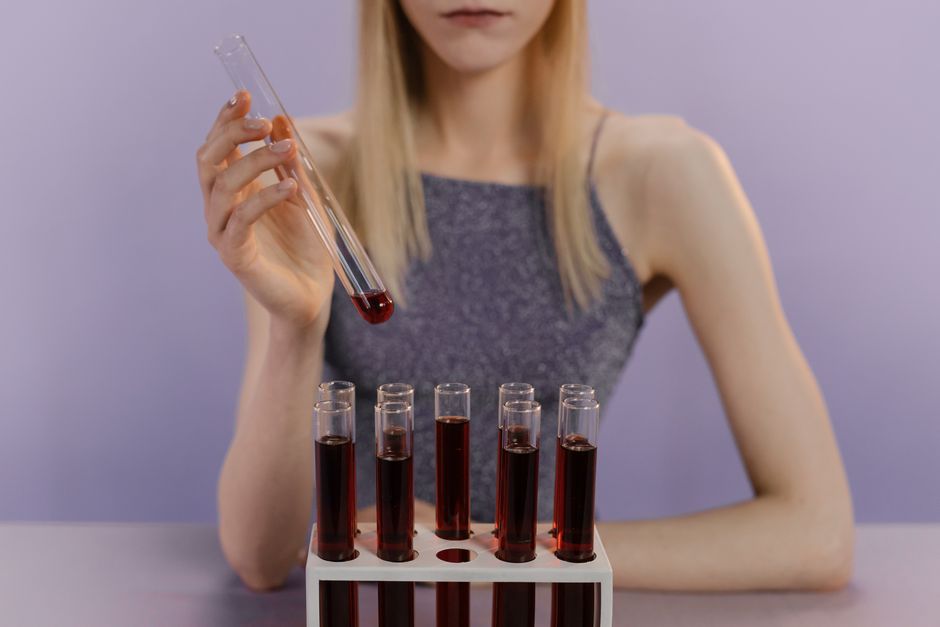
Alcohol’s effect on blood is often misunderstood. The short answer is yes, alcohol can temporarily thin your blood by interfering with platelet function and certain clotting factors. However, this effect is short-lived, unpredictable, and comes with risks that far outweigh any potential benefit. Relying on alcohol to thin your blood is dangerous and not a medical strategy.
How Does Alcohol Affect Blood Thinning?
Blood thinning is not one single process. It involves platelets, which are tiny cells that clump together to form clots, and proteins in your blood called clotting factors. Both work together to stop bleeding when you are injured.
Alcohol interferes with both of these systems. It reduces the ability of platelets to stick together. This means they are less effective at forming the initial plug that stops bleeding. Alcohol also affects the liver, which is where most clotting factors are produced. Heavy drinking can impair the liver’s ability to make these proteins, which can slow down the clotting process even more.
This combined effect is what people mean when they say alcohol thins the blood. It is a real physiological change, but it is temporary. The effect typically lasts for a few hours after you stop drinking, depending on how much you consumed and how quickly your body processes it.
Does Alcohol Thin Your Blood Like Aspirin Does?
People often compare alcohol to aspirin because both affect platelets. Aspirin is a well-studied medication used specifically to prevent blood clots that cause heart attacks and strokes. It works by permanently disabling an enzyme that platelets need to clump together. This effect lasts for the lifetime of the platelet, which is about 7 to 10 days.
Alcohol’s effect on platelets is different. It is temporary and wears off as your body clears the alcohol. The effect is also less predictable. A small amount of alcohol may have a minimal impact on platelet function, while a large amount can have a more significant effect. But the key difference is that aspirin is studied, dosed, and prescribed for a specific purpose. Alcohol is not.
No clinical guidelines recommend alcohol for blood thinning. The risks of regular alcohol consumption — including liver damage, addiction, and increased cancer risk — are well documented. These risks are not worth the uncertain and temporary effect on blood clotting.
What Are the Risks of Drinking Alcohol While on Blood Thinners?
This is the most important safety concern. If you are taking a prescription blood thinner such as warfarin, apixaban, or rivaroxaban, mixing it with alcohol can be dangerous. Both alcohol and these medications affect clotting, but they do so in different ways. The combined effect can be unpredictable and can increase your risk of serious bleeding.
Warfarin is particularly sensitive to alcohol. Alcohol can affect how your liver processes warfarin, which can change the drug’s level in your blood. This can make your blood too thin, increasing the risk of internal bleeding. It can also make the drug less effective, increasing the risk of a blood clot.
For newer blood thinners like apixaban and rivaroxaban, the interaction is less studied. However, the general medical advice is to limit alcohol consumption while taking any blood thinner. Occasional light drinking may be acceptable for some people, but you should always discuss this with your doctor. Heavy drinking is never safe while on these medications.
Signs of dangerous bleeding include unusual bruising, blood in your urine or stool, coughing up blood, or a headache that will not go away. If you experience any of these while drinking and taking blood thinners, seek medical attention immediately.




Can Alcohol Prevent Blood Clots or Strokes?
Some research has suggested that light to moderate alcohol consumption is associated with a lower risk of heart disease. This idea is often called the “French paradox” or the “J-curve” hypothesis. The thinking is that small amounts of alcohol might protect the heart by affecting cholesterol levels and reducing clot formation.
However, this evidence is not strong enough to recommend drinking alcohol for heart health. The studies showing a benefit are observational, meaning they cannot prove cause and effect. People who drink lightly may have other healthy habits that explain their lower risk. More recent research has questioned whether any amount of alcohol is truly beneficial for the heart.
Heavy drinking clearly increases the risk of stroke, heart failure, and high blood pressure. Atrial fibrillation, a condition that causes irregular heartbeats and increases stroke risk, is also more common in people who drink heavily. Even occasional binge drinking can trigger an episode.
The balance of evidence does not support using alcohol to prevent blood clots. The risks of drinking for this purpose are too high, and the potential benefit is too uncertain and small.
How Long Does Alcohol’s Blood-Thinning Effect Last?
The blood-thinning effect of alcohol is directly related to the amount of alcohol in your blood. As your body metabolizes alcohol, the effect on platelets wears off. For most people, the effect lasts only a few hours.
Your liver processes about one standard drink per hour on average. A standard drink is 12 ounces of beer, 5 ounces of wine, or 1.5 ounces of distilled spirits. If you have three drinks, your blood alcohol level stays elevated for about three hours. The platelet effect follows a similar timeline.
However, the effect on clotting factors can last longer if you are a heavy drinker. Chronic heavy drinking can damage the liver over time. Liver damage can reduce the production of clotting factors for weeks or months, not just hours. This is a more serious and permanent form of blood thinning that is a sign of advanced liver disease.
If you are having surgery or a dental procedure, you should be honest with your healthcare provider about your alcohol intake. They need this information to assess your bleeding risk and plan accordingly.
What Are the Signs That Your Blood Is Too Thin?
Even without prescription blood thinners, heavy alcohol use can make your blood thin enough to cause symptoms. These symptoms are your body’s warning signs that something is wrong.
- Bruising easily or for no apparent reason
- Bleeding gums when you brush your teeth
- Frequent nosebleeds
- Prolonged bleeding from small cuts
- Blood in your urine or stool
- Unusually heavy menstrual bleeding
These symptoms are not specific to alcohol. They can also be caused by other medical conditions, including low platelet counts or vitamin deficiencies. If you notice these signs, especially if you drink heavily, you should see a doctor for a blood test. A simple complete blood count and clotting panel can tell you if your blood is actually thin.
Is It Safe to Drink Before Blood Tests or Surgery?
No. You should not drink alcohol before blood tests or surgery. For routine blood tests, alcohol can temporarily alter liver enzyme levels and other markers. This can lead to abnormal results that do not reflect your true baseline health.
For surgery, the concern is bleeding. Surgeons need your blood to clot normally during and after the procedure. If alcohol has thinned your blood, you may bleed more during surgery. This can complicate the procedure and increase your recovery time.
Standard medical advice is to stop drinking alcohol at least 48 hours before surgery. Some surgeons recommend stopping even earlier, especially if you are a heavy drinker. Always follow the specific instructions your surgical team gives you, and be honest about how much you drink. Withholding this information can put you at risk.
What Is the Bottom Line on Alcohol and Blood Thinning?
Alcohol can temporarily thin your blood by reducing platelet function and interfering with clotting factors. This effect is real but short-lived and unpredictable. It is not a safe or effective way to prevent blood clots.
The risks of drinking alcohol for this purpose are substantial. Heavy drinking damages the liver, which can lead to a more permanent bleeding problem. Mixing alcohol with prescription blood thinners can cause dangerous bleeding. And the evidence that light drinking protects the heart is not strong enough to recommend it.
If you are concerned about your blood clotting or your risk of heart disease, talk to your doctor. There are proven strategies to manage these risks, including medications, diet, and exercise. Alcohol is not one of them.
Frequently Asked Questions
Does alcohol thin your blood permanently?
No, the effect is temporary and lasts only a few hours. However, chronic heavy drinking can cause liver damage that affects clotting factors for much longer.
How much alcohol does it take to thin your blood?
There is no safe or established dose for this effect. Even small amounts can affect platelet function, but the effect varies by person and is not predictable.
Can you drink alcohol while taking blood thinners?
Occasional light drinking may be acceptable for some people on certain blood thinners, but you must ask your doctor first. Heavy drinking is never safe with these medications.
Does alcohol interact with ibuprofen or aspirin?
Yes. Alcohol combined with aspirin or ibuprofen increases the risk of stomach bleeding. This combination should be avoided or discussed with a doctor.
