
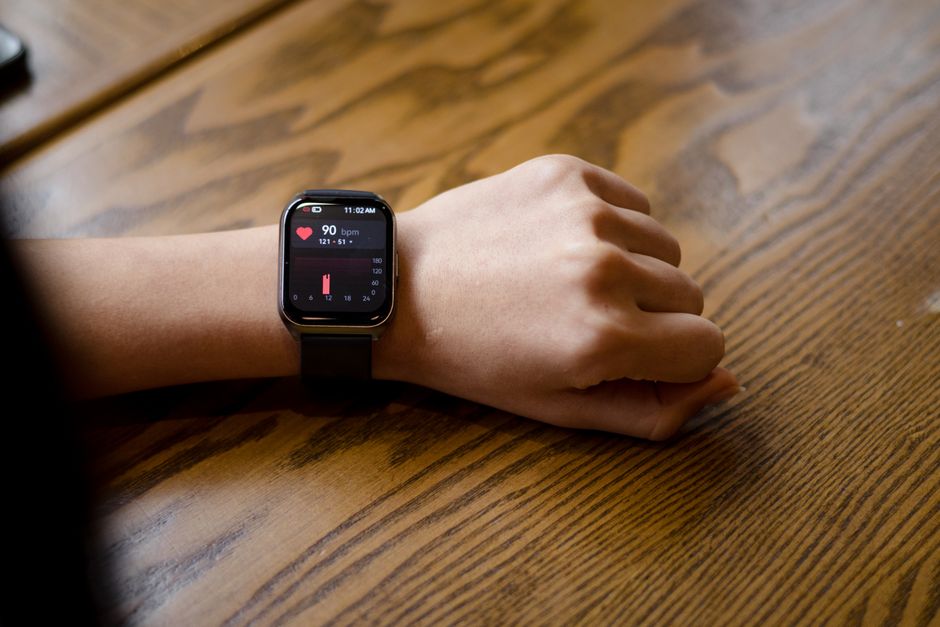
The fat burning heart rate zone is a range of heart rates where your body uses a higher percentage of fat for energy. It is typically calculated as 60 to 70 percent of your estimated maximum heart rate. However, exercising in this zone does not automatically mean you burn more total fat compared to other intensities. Total calorie burn and duration matter just as much.
How is the Fat Burning Heart Rate Zone Calculated?
The most common method uses the formula 220 minus your age to estimate your maximum heart rate. For a 40-year-old, that gives a maximum of about 180 beats per minute. Sixty to seventy percent of that is 108 to 126 beats per minute. This range is considered the fat burning zone.
This formula is a rough estimate. Real maximum heart rates vary widely between individuals. A more accurate method is a maximal exercise test, but for most people, the age-based formula is a practical starting point. You can also use a heart rate monitor or the built-in sensor on many fitness watches to check your heart rate during exercise.
Does Exercising in the Fat Burning Zone Really Help You Lose More Fat?
The short answer is not necessarily. Research consistently shows that total calorie deficit—the difference between calories eaten and calories burned—is the main driver of fat loss. The fat burning zone uses a higher percentage of fat as fuel during the workout, but the total number of fat calories burned may still be lower than if you exercise at a higher intensity for a shorter time.
Some studies have found that over several weeks, people who exercise at moderate intensity (within the fat burning zone) lose similar amounts of body fat as those who exercise at higher intensity, as long as total calorie expenditure is similar. However, higher intensity exercise typically burns more calories per minute and can boost post-exercise calorie burn. The best approach for most people is to include a mix of intensities rather than focusing solely on one zone.
How Does Your Body Use Fat and Carbs for Fuel During Exercise?
Your body always uses a mix of fat and carbohydrates for energy, but the proportion changes with exercise intensity. At rest and during very light activity, fat provides most of the fuel. As intensity increases, your body shifts toward using more carbohydrates because they can be broken down faster.
At low to moderate intensity—about 60 to 70 percent of maximum heart rate—fat contributes a larger percentage of the energy. As you cross into higher zones, carbohydrate use dominates. This is why the fat burning zone is often marketed as ideal for weight loss. But the total amount of fat burned depends on how long you exercise and how many total calories you burn. A 30-minute walk in the fat burning zone may burn only 100-150 calories, while a 30-minute run at higher intensity might burn 300-400 calories. Even though a smaller percentage of those calories come from fat, the total fat burned can be greater with the run.





Is the Fat Burning Zone Different for Everyone?
Yes, because maximum heart rate varies by age, fitness level, and genetics. The 220-minus-age formula is a population average. Some people have a true maximum that is 10 to 20 beats higher or lower. This means the same absolute heart rate may be in the fat burning zone for one person and in a higher zone for another.
Fitness also affects the zones. A trained endurance athlete may have a lower resting heart rate and a higher stroke volume, which shifts their heart rate response. For a more personalized approach, some fitness devices use heart rate reserve (Karvonen formula) which accounts for resting heart rate. This method often gives a more accurate fat burning zone. Aiming for a perceived exertion of about 5 or 6 on a 1-10 scale is a simple alternative if you do not have a heart rate monitor.
What is the Best Heart Rate Zone for Weight Loss?
There is no single best zone for everyone. Total calorie burn and sustainability matter more than the percentage of fat used during the workout. Higher intensity exercise burns more calories in less time but can be harder to maintain. Lower intensity exercise is easier to sustain for longer periods, which can add up to significant calorie burn over time.
For weight loss, the most effective plan is one you will stick with consistently. That often means including both moderate-intensity sessions (in or near the fat burning zone) and higher-intensity sessions (like interval training). Some evidence suggests that interval training, which alternates between high and low effort, can produce similar or better fat loss results compared to steady-state moderate exercise in less total workout time.
Should You Train in the Fat Burning Zone or Higher Intensity?
It depends on your goals, fitness level, and preferences. If you are new to exercise or returning after a break, starting in the fat burning zone is a safe and effective way to build endurance. If you are already active, adding higher intensity workouts can improve cardiovascular fitness and increase calorie burn.
A common mistake is to limit yourself to one zone. Many people assume they must stay in the fat burning zone to lose weight. This can lead to frustration if results are slow. In reality, the most effective approach is to vary your workouts. For example, do two or three steady-state sessions in the moderate zone each week, plus one or two shorter higher-intensity sessions. This gives you the benefits of both fat utilization and calorie burning.
Also note: heart rate zones are not precise enough to guarantee a specific metabolic response. Individual variation in metabolism, hydration, and even time of day can alter your heart rate response. Use zones as a general guide, not a strict rule.
Frequently Asked Questions
What heart rate should I aim for to burn fat?
For most people, aim for 60 to 70 percent of your estimated maximum heart rate (220 minus your age). A 40-year-old would target 108 to 126 beats per minute.
How long should I exercise in the fat burning zone?
At least 30 to 45 minutes per session is typical to achieve a meaningful calorie burn. Longer sessions are fine if you feel comfortable.
Can I lose belly fat by exercising in the fat burning zone?
Spot reduction of fat from a specific area is not supported by evidence. Overall body fat loss from a calorie deficit will reduce belly fat over time, regardless of which zone you train in.
Is it better to exercise in the fat burning zone or do high intensity interval training?
Both have benefits. Fat burning zone workouts are easier to sustain for long periods, while high intensity intervals burn more calories per minute. A mix of both is often most effective for weight loss.
