
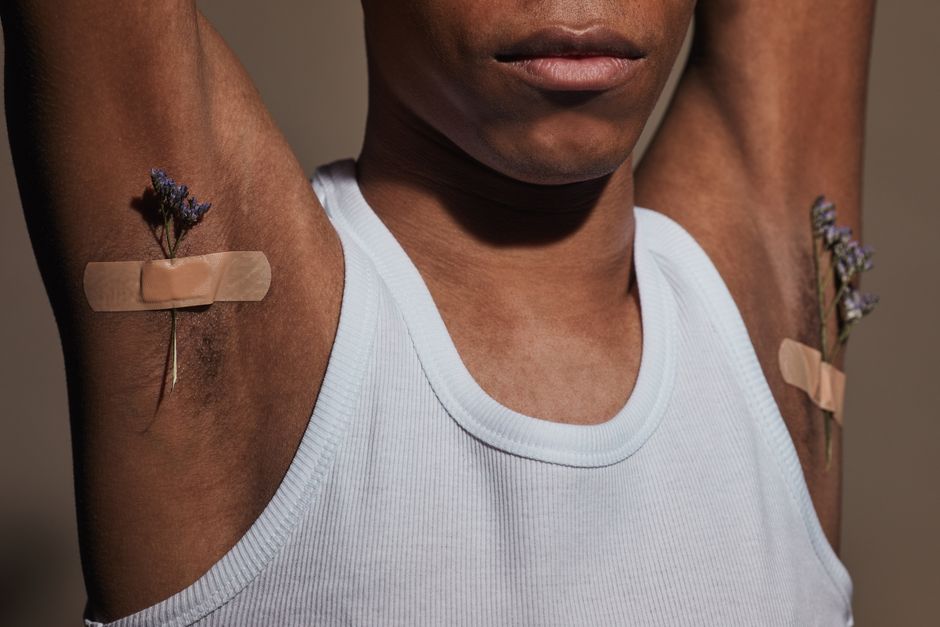
You cannot burn fat from one specific spot on your body. This is the first thing to understand. Spot reduction is a myth that has been debunked by decades of research. When you lose body fat, you lose it from everywhere at once. Your genetics decide the order. For many people, the underarm area is one of the last places to change. This article explains what actually works based on real evidence.
What Causes Underarm Fat in the First Place?
Underarm fat is simply stored body fat in the axilla region. Your body stores fat in this area just like it stores fat on your belly, thighs, or hips. For some people, genetics cause more fat to accumulate here. For others, it is a hormonal issue related to estrogen dominance or menopause.
There is also a common confusion between fat and loose skin. Many people think they have underarm fat when they actually have excess skin from weight loss or aging. The pinch test helps. If you can pinch a thick layer of tissue, that is fat. If the skin feels thin and loose with little to grab, that is skin laxity. These require different approaches.
The American Council on Exercise states that body fat distribution is primarily determined by genetics and hormones. You cannot change where your body prefers to store fat. But you can reduce overall body fat percentage, which will eventually reduce underarm fat.
Can Specific Exercises Burn Underarm Fat?
No. Exercises that target the underarm area cannot burn fat from that spot. This is the spot reduction myth. When you do tricep dips or push-ups, you strengthen the muscles underneath the fat. You do not burn the fat itself.
Research published in the Journal of Strength and Conditioning Research tested this directly. Participants did arm exercises for 12 weeks. The researchers measured fat loss in the arms and found no difference compared to people who did leg exercises. Fat loss happened equally across the body regardless of which muscles were worked.
That said, building muscle in your chest, shoulders, and triceps can change the appearance of your underarms. More muscle mass pushes the skin outward, making the area look tighter and less saggy. This is a cosmetic improvement, not fat loss. But it works visually.
Exercises like push-ups, tricep dips, overhead presses, and chest presses are useful for this. They build the underlying structure. Just do not expect them to burn the fat directly.
What Actually Reduces Underarm Fat?
Reducing underarm fat requires reducing your overall body fat percentage. This means creating a calorie deficit over time. Eat slightly fewer calories than your body burns each day. The CDC recommends a deficit of 500 to 750 calories per day for sustainable weight loss of one to two pounds per week.
There is no special diet for underarm fat. A balanced diet with adequate protein, vegetables, and whole grains works best. Some studies suggest that reducing processed carbohydrates and added sugars helps with stubborn fat areas because it lowers insulin levels. Lower insulin makes it easier for your body to access stored fat for energy.
Cardiovascular exercise helps create the calorie deficit. The Physical Activity Guidelines for Americans recommend 150 to 300 minutes of moderate-intensity aerobic activity per week. This can be brisk walking, cycling, swimming, or jogging. Consistency matters more than intensity for fat loss.
Strength training is also important. More muscle mass increases your resting metabolic rate. This means you burn more calories even when sitting still. The combination of diet, cardio, and strength training is the evidence-backed approach for reducing body fat everywhere, including the underarms.




How Long Does It Take to See Results?
This depends entirely on your starting point and how consistent you are. Most people need to lose 10 to 15 percent of their body weight before noticing changes in stubborn fat areas like the underarms. For someone weighing 180 pounds, that means losing 18 to 27 pounds.
A healthy rate of fat loss is one to two pounds per week. At this rate, visible changes in the underarm area typically take 8 to 16 weeks. Some people see changes sooner if they carry more fat in their upper body. Others see changes later if their genetics store fat here last.
One non-obvious factor is water retention. Hormonal fluctuations during the menstrual cycle can cause temporary bloating in the underarm area. This is not fat. It will disappear on its own. Do not judge progress based on one week. Look at the trend over months.
Taking progress photos helps. The scale does not tell you where you lost fat. Photos every four weeks in the same lighting and clothing will show changes that the scale misses.
What About Non-Surgical Treatments?
Several procedures claim to reduce underarm fat without surgery. CoolSculpting is the most well-known. It uses controlled cooling to freeze fat cells, which then die and are naturally eliminated by the body. The FDA has cleared CoolSculpting for the submental area (under the chin) and thighs. Some clinics use it off-label for the underarms.
Research on CoolSculpting for the underarms is limited. A small study published in Dermatologic Surgery found modest fat reduction after one session. Results varied significantly between participants. Side effects included temporary numbness, bruising, and swelling. Some people develop paradoxical adipose hyperplasia, where the treated area actually grows larger. This is rare but possible.
Another option is Kybella, which is an injectable treatment that destroys fat cells. Kybella is FDA-approved only for the submental area. Using it on the underarms is off-label. Some dermatologists offer it, but strong evidence for safety and effectiveness in this area is lacking.
Laser treatments like SculpSure use heat to destroy fat cells. Again, evidence for underarm use is limited. These treatments are expensive and require multiple sessions. They are not a substitute for overall fat loss. They only work if you are already at a healthy weight with stubborn pockets of fat.
What Should You Avoid?
Avoid any product that claims to “melt” underarm fat. Creams, gels, and wraps cannot penetrate the skin deeply enough to affect fat cells. The FDA has not approved any topical product for fat reduction. These are a waste of money.
Avoid “underarm fat removal” exercises that promise spot reduction. They do not work. They can cause injury if done with poor form. Tricep dips performed incorrectly put excessive strain on the shoulder joint. Push-ups with improper alignment can cause wrist and elbow pain.
Avoid very low-calorie diets. Eating fewer than 1,200 calories per day for women or 1,500 for men can cause muscle loss, hormonal disruption, and metabolic slowdown. You lose muscle along with fat. This makes the underarm area look looser and more saggy, not better.
Avoid comparing your body to social media images. Many photos are edited or taken under specific lighting. Some people have naturally lean upper bodies due to genetics. You cannot replicate someone elses genetic fat distribution. Focus on your own progress.
| Approach | Does It Reduce Underarm Fat? | Evidence Level |
|---|---|---|
| Overall calorie deficit | Yes, over time | Strong |
| Spot reduction exercises | No | Strong evidence against |
| CoolSculpting | Modest reduction in some people | Limited |
| Topical creams | No | No evidence |
| Building underlying muscle | Improves appearance, not fat loss | Moderate |
When Should You Consider Surgery?
Surgery is an option for people who have lost significant weight and have loose skin, not fat. Brachioplasty, or arm lift surgery, removes excess skin from the upper arms and underarm area. This is a major surgical procedure with significant recovery time and visible scarring.
Liposuction can remove fat from the underarm area directly. This is effective for fat removal, but it does not address loose skin. The American Society of Plastic Surgeons reports that arm liposuction is one of the less common procedures because many people seeking treatment actually have skin laxity, not excess fat.
Surgery should only be considered after you have reached a stable, healthy weight and maintained it for at least six months. Weight fluctuations after surgery can undo the results. The risks include infection, scarring, asymmetry, and nerve damage. These are real risks, not theoretical ones.
Most experts recommend exhausting non-surgical options first. Give yourself six to twelve months of consistent diet and exercise before considering surgery. Many people find that their underarm fat reduces significantly during that time without any medical intervention.
Frequently Asked Questions
Can you lose underarm fat by doing arm exercises?
No. Arm exercises strengthen muscles but cannot burn fat from that specific area. Fat loss happens across the whole body.
How long does it take to reduce underarm fat?
Most people see visible changes after 8 to 16 weeks of consistent calorie deficit and exercise. Results depend on genetics and starting body fat percentage.
Do underarm fat removal creams work?
No. The FDA has not approved any topical cream for fat reduction. These products cannot penetrate the skin to affect fat cells.
Is CoolSculpting safe for underarm fat?
CoolSculpting is used off-label for underarms with limited evidence. Side effects include numbness and swelling, and results vary significantly between people.
