
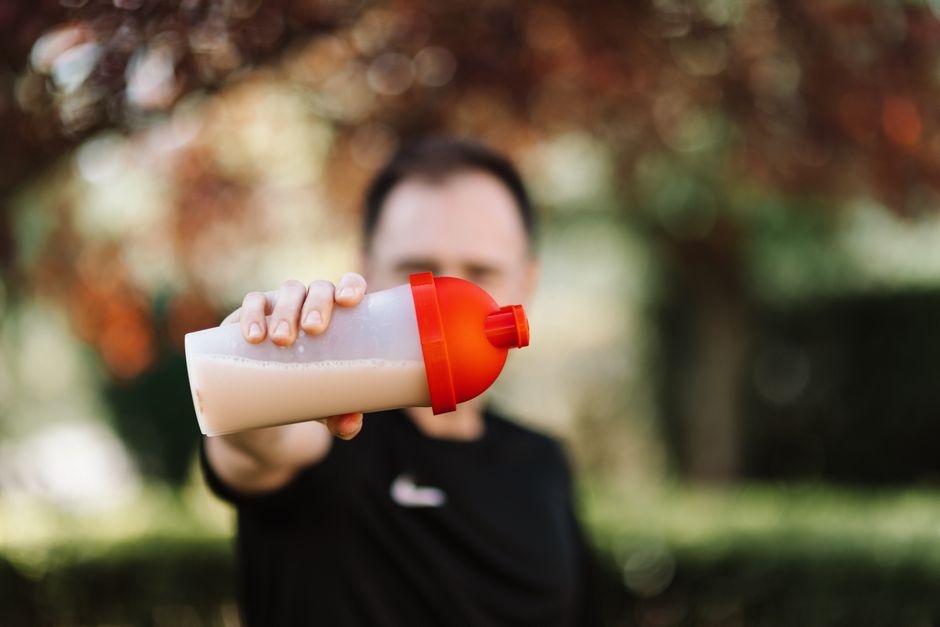
Whey protein is not a fat burner. It does not directly cause your body to burn more fat. Its main job is to help build and repair muscle. But building muscle does help with fat loss over time. The connection is indirect, and it is often misunderstood.
Many people buy whey protein thinking it will melt belly fat. That is not how it works. Whey protein is a tool for muscle growth. More muscle can lead to a slightly higher metabolism. That is the real link between whey and fat loss. Let’s look at what the evidence actually says.
Does Whey Protein Directly Burn Fat?
No. Whey protein does not burn fat. No protein powder does. The idea that a powder can directly torch fat cells is a marketing claim, not a biological fact.
Your body burns fat through a calorie deficit. You eat fewer calories than you burn. That is the only direct way to lose fat. Whey protein can help you feel full, which may help you eat less. Some studies suggest it has a small effect on boosting metabolism through a process called thermogenesis. But these effects are modest. You will not lose fat just by adding whey to your diet.
The National Institutes of Health has noted that high-protein diets can increase satiety. Feeling full means you may snack less. That is a behavioral benefit, not a fat-burning one. If you replace a high-carb breakfast with a whey shake, you might eat fewer calories later. That is where the fat loss happens, not from the whey itself.
How Does Whey Protein Help Build Muscle?
Whey protein is a complete protein. It contains all nine essential amino acids your body cannot make on its own. It is especially high in leucine, the amino acid that triggers muscle protein synthesis. That is the process your body uses to repair and grow muscle tissue after exercise.
Research published in the Journal of the International Society of Sports Nutrition found that whey protein is absorbed quickly. This makes it useful after a workout when your muscles need amino acids fast. Taking 20 to 40 grams of whey within two hours after resistance training can boost muscle repair.
Without resistance training, whey protein does little for muscle growth. Your body needs a reason to build muscle. Lifting weights or doing bodyweight exercises provides that signal. The protein is just the raw material. The exercise is the instruction to use it.
For older adults, whey protein can help prevent muscle loss. The American College of Sports Medicine recommends protein intake of 1.2 to 1.7 grams per kilogram of body weight for active people. Whey is a convenient way to hit that target if your diet falls short.
Does Whey Protein Help Burn Fat Or Just Build Muscle?
This is the core question, and the honest answer is that it primarily builds muscle. The fat-burning effect is secondary and indirect. Here is how the connection works.
Muscle tissue burns more calories at rest than fat tissue. One pound of muscle burns about six calories per day at rest. One pound of fat burns about two calories. If you gain three pounds of muscle from training and whey, your resting metabolism increases by roughly 12 calories per day. That is a small but real effect.
A study in the American Journal of Clinical Nutrition found that higher protein diets helped people preserve muscle while losing weight. When you cut calories, your body naturally loses both fat and muscle. Whey protein helps hold onto the muscle. That is critical because losing muscle slows your metabolism. Keeping your muscle means your metabolism stays higher, making it easier to keep fat off.
The fat loss people see when using whey is usually because they are in a calorie deficit. The whey helps them feel full, so they eat less. Or they are working out harder because they have more energy. The whey itself is not a fat burner. It is a muscle preserver during weight loss.



What Does the Research Say About Whey and Body Composition?
The evidence is mixed but leans in one direction. Whey protein helps with body composition when combined with exercise. Body composition means the ratio of muscle to fat in your body. A better composition means more muscle and less fat.
| Study Focus | What It Found |
|---|---|
| Whey plus resistance training | Greater muscle gain and fat loss compared to training alone |
| Whey without exercise | Minimal change in body composition |
| Whey during calorie restriction | Preserved muscle, slightly more fat loss |
| Whey compared to soy protein | Similar results, slight edge for whey in muscle gain |
A meta-analysis in the journal Nutrients reviewed 36 studies on protein supplements. It found that whey protein had a small but significant effect on reducing body fat percentage. But the effect was only seen in people who were also doing resistance training. Without the training, the fat loss effect disappeared.
Another study in the Journal of Nutrition looked at overweight adults who took whey protein without changing their diet or exercise. They lost no significant fat. The protein simply added calories to their day. If you add whey without adjusting calories elsewhere, you may gain weight, not lose it.
How to Use Whey Protein for Fat Loss
If your goal is fat loss, whey protein can be a helpful tool. But it must be used correctly. Here are the practical steps based on evidence.
- Use it to replace a meal, not add to one. Replace a breakfast or snack with a whey shake. This cuts calories while keeping protein high.
- Take it after workouts. This helps muscle recovery and growth. More muscle supports a higher metabolism over time.
- Keep total protein in check. Aim for 1.6 to 2.2 grams per kilogram of body weight daily. Going higher does not help and adds unnecessary calories.
- Do not rely on it alone. Whole foods like chicken, fish, eggs, and beans are better for overall nutrition. Whey is a supplement, not a replacement for real food.
- Choose a plain or minimally flavored powder. Many flavored whey products have added sugar and calories. Read labels carefully.
Some people report that whey protein helps them stick to their diet. The convenience of a shake makes it easier to avoid high-calorie fast food. That behavioral effect may be more important than any metabolic one. If it helps you stay in a calorie deficit, it is useful. If it becomes an extra 200 calories you did not need, it works against you.
What Are the Common Misconceptions About Whey and Fat Loss?
There is a lot of bad information online. Here are the most common myths and the truth behind them.
Myth: Whey protein burns belly fat. No food or supplement targets belly fat specifically. Spot reduction is not real. Fat loss happens evenly across the body based on your genetics. Whey does not change that.
Myth: More whey means more fat loss. Your body can only use so much protein. Excess protein is stored as fat or excreted. Taking 100 grams of whey per day will not speed up fat loss. It will add calories and may cause digestive issues.
Myth: Whey is better than whole food for fat loss. Whole food proteins are generally more filling and provide other nutrients. Whey is convenient but not superior. A chicken breast and a whey shake with the same protein content have similar effects on satiety and metabolism.
Myth: You must take whey immediately after a workout. The anabolic window is wider than most people think. You have up to a few hours after exercise to get protein. The timing matters less than your total daily protein intake.
These myths persist because they sell products. Supplement companies want you to believe their powder has special powers. The evidence shows it is a useful protein source, nothing more. Approach it with realistic expectations.
Are There Any Side Effects of Whey Protein?
Whey protein is safe for most people. The FDA does not regulate supplements strictly, so quality varies. Choose brands that are third-party tested for purity. Look for seals from NSF International or USP.
Some people experience digestive issues. Bloating, gas, and stomach cramps are common, especially with whey concentrate. Whey isolate has less lactose and may be easier to digest. If you have lactose intolerance, try a whey isolate or a plant-based protein instead.
Kidney concerns come up often. For healthy people, high protein intake is not harmful. The National Kidney Foundation states that people with existing kidney disease should limit protein. But for healthy kidneys, there is no evidence that whey protein causes damage.
Weight gain is a real risk. If you add whey protein to your diet without reducing calories elsewhere, you will gain weight. That weight could be fat or muscle depending on your exercise. Track your total calories if fat loss is your goal.
Frequently Asked Questions
Can whey protein help me lose belly fat?
No. No supplement targets belly fat specifically. Whey can help preserve muscle during weight loss, which supports a higher metabolism, but it does not burn belly fat directly.
Should I take whey protein before or after a workout for fat loss?
Taking it after a workout supports muscle recovery and growth. That is more important than timing for fat loss. Your total daily protein intake matters more than when you take it.
How much whey protein should I take per day for fat loss?
Aim for 20 to 40 grams per serving, depending on your body weight and total protein needs. Do not exceed 1.6 to 2.2 grams per kilogram of body weight daily from all protein sources.
Is whey protein better than plant protein for fat loss?
Both are effective when used as part of a calorie deficit. Whey has a slightly higher leucine content, which may help muscle growth. But plant proteins like pea or soy work well for most people.
