
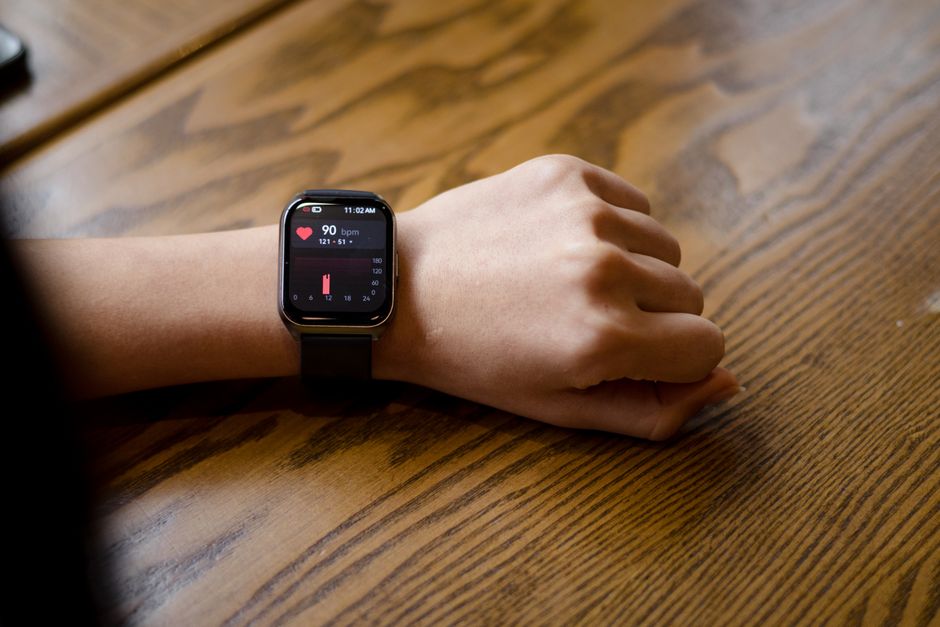
The short answer is that the ideal heart rate for burning fat is typically 60% to 70% of your maximum heart rate. This zone is often called the “fat-burning zone” because your body uses a higher percentage of fat for fuel at this intensity. For most adults, this works out to a heart rate between about 108 and 126 beats per minute, though the exact number depends on your age and fitness level.
How Do You Calculate Your Fat-Burning Heart Rate?
You start by finding your maximum heart rate. The standard formula is 220 minus your age. So a 40-year-old would have a maximum heart rate of 180 beats per minute. Multiply that by 60% and 70% and you get 108 to 126 beats per minute.
A more accurate formula exists. Research from Northwestern Medicine suggests using 206.9 minus (0.67 x age). This gives slightly different numbers for some people. For a 40-year-old, that formula gives a max of about 180 again, so the zone stays similar for middle-aged adults.
The simplest way to find your zone without math is the talk test. At 60-70% of your max, you can hold a conversation but you are breathing harder than normal. If you can sing, you are below the zone. If you can only say a few words at a time, you are above it.
Does the Fat-Burning Zone Actually Matter for Weight Loss?
This is where things get complicated. Yes, your body burns a higher percentage of fat at lower intensities. But total calories burned matters more for weight loss than the percentage of fat burned.
Here is the key distinction that most articles get wrong. At 60-70% of your max heart rate, about 50% of the calories you burn come from fat. At 80% of your max, only about 35% come from fat. But at the higher intensity, you burn significantly more total calories in the same amount of time. So the total fat calories burned can be similar or even higher at higher intensities.
Research published in the Journal of Sports Medicine and Physical Fitness found that total fat oxidation peaks at around 60-65% of VO2 max for most people. But individual variation is large. Some people burn more fat at higher intensities. Some burn more at lower ones. There is no universal sweet spot.
What Does the Research on Fat-Burning Heart Rate Zones Show?
A 2020 study in the European Journal of Applied Physiology looked at 30 men and women. They found that the average fat-burning zone was 56% to 64% of maximum heart rate. But individual results ranged from 45% to 75%. That is a wide range.
The American Council on Exercise reports that the fat-burning zone is real from a metabolic standpoint. Your body does shift fuel sources based on exercise intensity. But they also note that the zone is often oversold as a weight loss tool.
Another study from the University of Wisconsin tracked people doing low-intensity versus high-intensity exercise over 16 weeks. Both groups lost similar amounts of body fat. The low-intensity group exercised longer. The high-intensity group finished faster. Total calorie burn was the main driver of fat loss, not the heart rate zone itself.





Is It Better to Exercise in the Fat-Burning Zone or Higher Intensities?
This depends on your goals and your current fitness level. If you are new to exercise, the fat-burning zone is a safe and sustainable place to start. It puts less stress on your joints and heart. You can do it for longer periods. That builds consistency, which matters more than intensity for beginners.
If you are already active and want to maximize fat loss, higher intensity intervals may work better. High-intensity interval training (HIIT) burns more total calories in less time. It also creates an afterburn effect called EPOC (excess post-exercise oxygen consumption). Your body continues burning extra calories for hours after the workout.
A 2018 meta-analysis in the British Journal of Sports Medicine compared steady-state cardio to HIIT. Both reduced body fat percentage. HIIT did it in about 40% less time per session. But the difference in total fat loss was small. Consistency over weeks and months matters more than which zone you pick.
How Accurate Are Heart Rate Monitors for Finding Your Fat-Burning Zone?
Chest strap monitors are the most accurate. Research in the Journal of Sports Sciences found they are within 1-2% of ECG readings. Wrist-based monitors like smartwatches are less accurate, especially during non-steady activity. They can be off by 5-10% during interval training.
Optical sensors on watches struggle with motion artifacts. When you swing your arms during running or cycling, the sensor can lose contact with your skin. This leads to missed beats or false readings. If you rely on a wrist monitor for zone training, keep your wrist still during the measurement if possible.
For most people, the inaccuracy of wrist monitors does not matter much. Being in the right general zone is good enough. You do not need to hit exactly 124 beats per minute. Being between 115 and 130 is fine. The talk test is often just as useful as a monitor for staying in the fat-burning zone.
Common Misconceptions About the Fat-Burning Heart Rate Zone
The biggest myth is that you must stay in the fat-burning zone to lose belly fat. Spot reduction is not real. You cannot choose where your body burns fat from. Genetics determines that. Some people lose fat from their face first. Others lose it from their hips. Stomach fat is often the last to go regardless of exercise intensity.
Another myth is that exercising above the fat-burning zone stops fat burning entirely. That is false. Your body always uses a mix of fat and carbohydrates for fuel. Even at high intensities, you still burn some fat. The percentage drops but total fat calories burned may still be high because total calorie burn is higher.
Some people believe they need to feel the burn to be in the zone. Muscle burning sensation is from lactic acid buildup, not from fat burning. You can be in the fat-burning zone and feel comfortable the entire time. If you are gasping for air, you have gone above the zone.
| Heart Rate Zone | % of Max HR | Feeling | % Calories from Fat |
|---|---|---|---|
| Very Light | 50-60% | Easy, can sing | 60-70% |
| Fat-Burning | 60-70% | Can talk, breathing faster | 45-55% |
| Aerobic | 70-80% | Hard to talk in full sentences | 30-40% |
| Anaerobic | 80-90% | Can only say a few words | 15-25% |
This table shows that the fat-burning zone does use a higher percentage of fat. But it also shows that aerobic and anaerobic zones still burn significant fat. The difference is not as dramatic as many articles claim.
What Is the Best Approach for Burning Fat Through Exercise?
The best approach is the one you will actually do consistently. If you hate running, do not force yourself to run in the fat-burning zone. Walk briskly instead. If you love group classes that push you harder, do those. The total calories burned over weeks matters more than the exact heart rate during any single session.
For most people, a mix of intensities works best. Do 2-3 sessions per week in the fat-burning zone for longer duration. Add 1-2 sessions of higher intensity intervals. This gives you the metabolic benefits of both approaches without burnout.
Your diet matters more than your heart rate zone for fat loss. The fat-burning zone helps, but you cannot out-exercise a poor diet. A calorie deficit of 300-500 calories per day combined with regular exercise produces reliable fat loss regardless of exercise intensity.
Frequently Asked Questions
What heart rate burns the most fat in 30 minutes?
Steady exercise at 60-70% of your max heart rate burns the highest percentage of fat during the session. But higher intensity intervals may burn more total fat calories in 30 minutes due to higher total calorie burn.
Is the fat-burning zone different for men and women?
Research shows slight differences. Women tend to burn more fat at the same relative intensity compared to men. But the general zone of 60-70% of max heart rate applies to both sexes.
Can you lose belly fat by staying in the fat-burning zone?
You cannot target belly fat specifically. The fat-burning zone helps reduce overall body fat, and belly fat will decrease as total body fat decreases. Genetics determines where fat leaves first.
How do I know if I am in the fat-burning zone without a monitor?
Use the talk test. If you can hold a conversation but are breathing noticeably harder than at rest, you are likely in the fat-burning zone. If you can sing easily, you are below it.
