
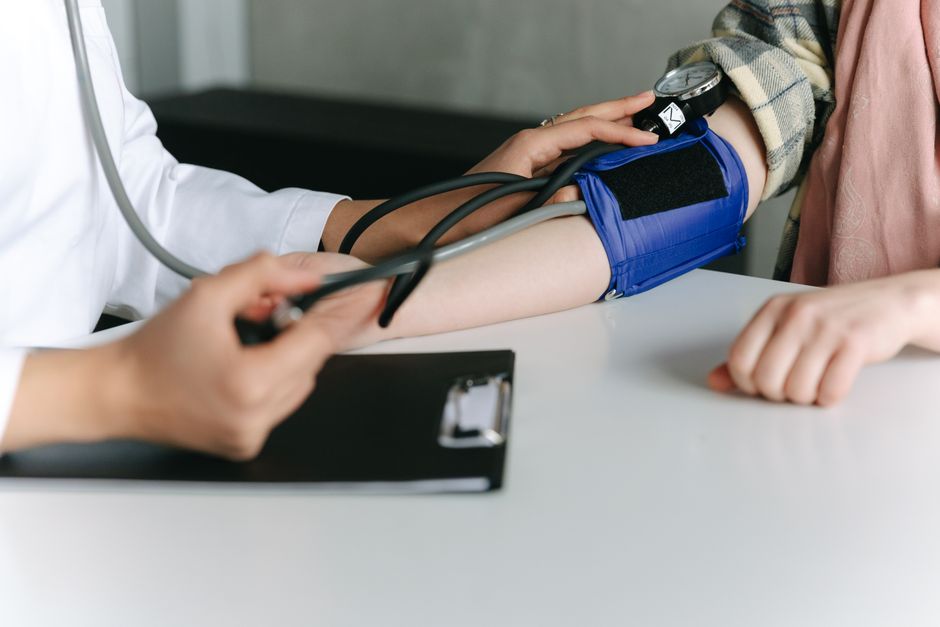
The best way to lower your blood pressure is a combination of reducing sodium, increasing physical activity, and maintaining a healthy weight. For most people, cutting back on salt has the fastest and most reliable effect. The DASH diet, which is rich in fruits, vegetables, and low-fat dairy, is the eating pattern with the strongest evidence behind it. No single pill or supplement replaces these lifestyle changes.
How Much Does Cutting Salt Really Help?
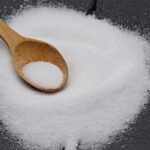
Salt directly affects blood pressure for many people. When you eat more sodium, your body holds onto extra water. This increases the total amount of blood in your arteries, which raises pressure. The effect is stronger in some people than others, but it is real for most.
The American Heart Association recommends no more than 2,300 milligrams of sodium per day. An ideal limit is 1,500 milligrams for most adults, especially those over 50 or with existing high blood pressure. The average American eats about 3,400 milligrams daily. Cutting just 1,000 milligrams can lower systolic pressure by 5 to 6 points in many people.
Processed foods are the main source of sodium, not the salt shaker. Breads, deli meats, canned soups, and restaurant meals add up fast. Reading labels and cooking at home gives you real control. Even a week of reduced sodium can show measurable changes on the monitor.
What Does the DASH Diet Actually Do?
The DASH diet stands for Dietary Approaches to Stop Hypertension. It was developed through research funded by the National Institutes of Health. Multiple studies have shown it lowers blood pressure as effectively as some single medications.
The diet focuses on potassium-rich foods like bananas, spinach, and sweet potatoes. Potassium helps your kidneys flush out sodium. It also relaxes the walls of your blood vessels. The DASH plan includes whole grains, lean protein, and low-fat dairy while limiting red meat, sugar, and saturated fat.
Research published in the New England Journal of Medicine found that the DASH diet lowered systolic blood pressure by about 6 points in people with normal levels. In people with high blood pressure, the drop was around 11 points. Combining DASH with reduced sodium gave even larger results. This is not a fad diet. It is a well-studied eating pattern with decades of evidence.
Is Exercise Better Than Medication?
Exercise does not replace medication for everyone, but it can reduce or eliminate the need for it in some cases. The effect is substantial enough that many doctors recommend lifestyle changes first for people with mild hypertension.
Aerobic exercise like brisk walking, cycling, or swimming has the strongest evidence. The American College of Cardiology recommends at least 150 minutes of moderate activity per week. That breaks down to 30 minutes, five days a week. Consistency matters more than intensity. A daily walk lowers pressure by 5 to 8 points on average.
Resistance training also helps, though the effect is smaller. Two to three strength sessions per week combined with aerobic exercise gives the best results. The blood pressure drop from exercise lasts about 24 hours after each session. That is why daily movement matters more than occasional heavy workouts.
Some people report that exercise alone brought their numbers into normal range. Others still need medication. The honest answer is that exercise is one of the most effective tools you have, but it is not a guaranteed cure for everyone.
What Role Does Weight Play in Blood Pressure?
Excess weight directly increases blood pressure. Every extra pound of fat requires your heart to pump blood through more miles of blood vessels. This raises pressure throughout your system. The connection is strong and well-documented.
Losing even 5 to 10 percent of your body weight can lower systolic pressure by 5 to 10 points. For a 200-pound person, that means losing 10 to 20 pounds. The effect is most noticeable in people who carry weight around their abdomen. Belly fat is more metabolically active and has a stronger impact on blood pressure than fat stored elsewhere.
Weight loss works partly by reducing the workload on your heart. It also improves insulin sensitivity and reduces inflammation. Both of these help lower blood pressure. The key is that weight loss must be sustained. Quick loss from crash diets rarely lasts, and blood pressure returns when the weight comes back.
There is no magic number on the scale. A healthy body mass index is under 25, but any weight loss helps. Even modest changes improve your numbers.
| Intervention | Average Systolic Drop | Time to Effect |
|---|---|---|
| Reduce sodium to 1,500 mg/day | 5-6 points | 1-2 weeks |
| DASH diet | 6-11 points | 2-4 weeks |
| Aerobic exercise 150 min/week | 5-8 points | 2-3 months |
| Weight loss (5-10% of body weight) | 5-10 points | 3-6 months |
| Combined lifestyle changes | 10-15 points | 1-3 months |
Are Supplements and Natural Remedies Worth Trying?
This is where a lot of overhyped claims live. Most supplements marketed for blood pressure have weak or mixed evidence. Some may help modestly, but none replace diet and exercise.
Potassium supplements can lower blood pressure, but only if you are deficient. Getting potassium from food is safer and more effective. Magnesium and calcium have small effects in some studies, but the results are inconsistent. Garlic extract has shown a modest drop of about 4 to 5 points in some research, though the quality of studies varies. Coenzyme Q10 and fish oil have mixed results.
As of 2026, there is no clinical evidence that any herbal supplement or essential oil reliably lowers blood pressure to a meaningful degree. Be cautious with products that claim to cure hypertension. Many contain hidden ingredients or interact with prescription medications.
The safest and most proven “natural” approach is the DASH diet combined with reduced sodium. If you want to try a supplement, talk to your doctor first. Do not stop prescribed medication without medical supervision.
What Are Common Mistakes People Make?
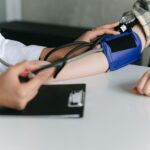
One common mistake is only checking blood pressure at the doctor’s office. White coat syndrome causes a temporary spike in many people. Readings at home are more reliable. Use a validated monitor with an upper arm cuff. Take readings at the same time each day, sitting quietly for five minutes beforehand.
Another mistake is focusing only on one change. Cutting salt helps, but ignoring exercise or weight limits the benefit. The best results come from combining multiple approaches. Some people also quit their medication once their numbers improve. This can cause a dangerous rebound. Always work with your doctor before changing any prescription.
People often assume that normal blood pressure means they are in the clear. But blood pressure can rise slowly over years without symptoms. Regular monitoring is essential even if your numbers are good today. The condition is called the silent killer for a reason.
Lastly, many people expect instant results. Lifestyle changes take weeks or months to show full effect. Patience and consistency matter more than intensity. A small daily habit beats a big weekly effort every time.
Frequently Asked Questions
How quickly can I lower my blood pressure naturally?
Some changes like reducing sodium can show results in one to two weeks. Full benefits from diet and exercise take two to three months.
Is it safe to lower blood pressure without medication?
It depends on your starting numbers. People with mild hypertension often succeed with lifestyle changes, but those with higher readings may still need medication.
Can drinking water lower blood pressure?
Staying hydrated helps, but water alone does not lower blood pressure. Dehydration can actually raise it by reducing blood volume.
Does stress cause high blood pressure?
Stress causes temporary spikes, but it is not proven to cause chronic hypertension. Long-term stress may lead to habits that raise pressure, like poor diet and less exercise.
