
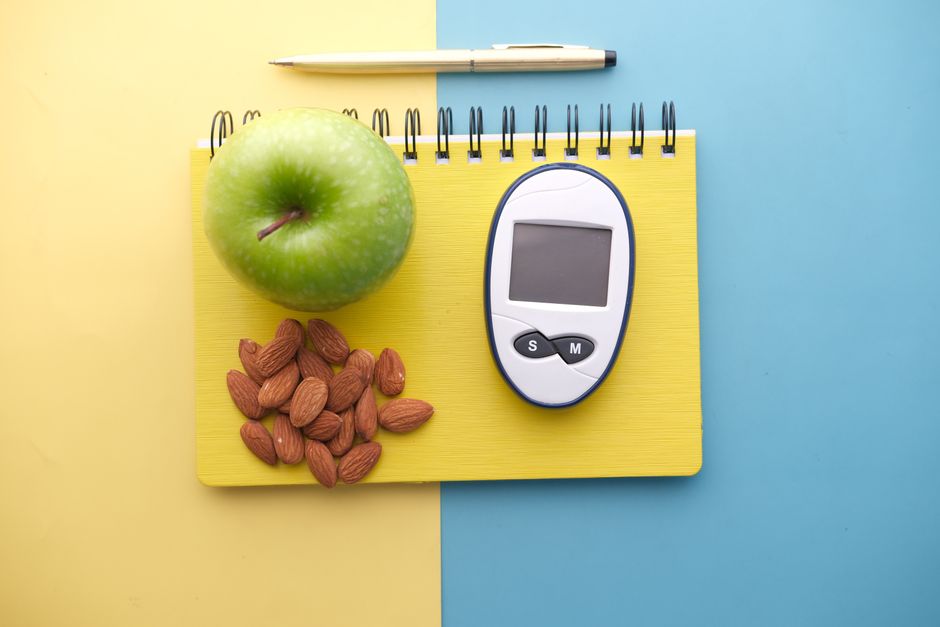
When your blood sugar drops, the fastest fix is not a snack at all — it is a measured dose of fast-acting carbohydrate, usually about 15 grams of glucose or simple sugar. A snack comes next, and its job is different: it should combine carbohydrate with protein or fat to keep your level steady once the quick sugar wears off. That two-step approach is the standard clinical response to low blood sugar, also called hypoglycemia.
What Counts as Low Blood Sugar?
For most people with diabetes, hypoglycemia is defined as a blood glucose reading below 70 mg/dL. Symptoms often begin in the 60s and can include shakiness, sweating, a rapid heartbeat, hunger, irritability, and difficulty concentrating.
Below 54 mg/dL, the risk of confusion, slurred speech, and more serious neurological symptoms climbs. This is why the number matters. A reading of 68 mg/dL is not the same situation as a reading of 45 mg/dL, and the response should match the severity.
It is worth knowing that low blood sugar is mainly a concern for people who take insulin or certain diabetes medications, particularly sulfonylureas. In people without diabetes, true hypoglycemia is uncommon. Feeling shaky after skipping lunch is usually not the same thing as clinical hypoglycemia, and it should not be self-diagnosed without a glucose meter or a clinician’s evaluation.
What Is The Best Snack For Low Blood Sugar?
The best snack for low blood sugar is one that pairs a fast-acting carbohydrate with a protein or fat source, eaten after your glucose is back above 70 mg/dL. Good options include an apple with a spoonful of peanut butter, whole-grain crackers with cheese, or a small container of plain yogurt with a few berries.
The reason for the pairing is straightforward. Simple carbohydrate raises blood sugar quickly. Protein and fat slow digestion and help prevent the level from dropping again shortly after. A snack of pure sugar alone can create a spike followed by another dip.
Timing matters as much as the food. If you are treating an active low — meaning your reading is under 70 mg/dL and you have symptoms — the snack is not the first step. The first step is the fast carbohydrate. The snack follows 15 minutes later, once you have rechecked and confirmed your level is recovering.
What 15 Grams of Fast Carbohydrate Looks Like
Standard guidance from diabetes organizations describes the “15-15 rule”: take 15 grams of fast-acting carbohydrate, wait 15 minutes, then recheck your blood sugar. If it is still below 70 mg/dL, repeat.
- 4 glucose tablets (the dose is usually printed on the package)
- 1 tablespoon of sugar, honey, or corn syrup
- 4 ounces (about half a cup) of regular fruit juice or regular soda
- 1 tablespoon of glucose gel, or the amount listed on the product label
These amounts come from established diabetes education materials. They are not a personal prescription. Your own treatment plan, set by your clinician, may differ.
Which Snacks Work Best and Why
A snack that holds blood sugar steady generally contains three things: some carbohydrate, some protein, and a little fat. The balance is what keeps the effect from fading too fast.
Snacks built mostly on refined sugar — candy, a plain sugary drink, a handful of gummy bears — are useful in an emergency but poor as a follow-up. They do the fast part well and the staying part poorly.
Snacks built on fat and protein alone, like a stick of string cheese or a handful of nuts, are the opposite problem. They will not raise a low blood sugar quickly, because they contain little carbohydrate. They work as a follow-up, not a rescue.
Snack Options That Combine Carbohydrate With Protein or Fat
- Half an apple or a small banana with a tablespoon of peanut butter
- Whole-grain crackers with a slice of cheese
- A small container of plain yogurt with a few berries
- A hard-boiled egg with a few whole-grain crackers
- Hummus with raw vegetables and a small piece of whole-grain pita
Portion size matters. A snack that is too large can push blood sugar higher than intended, especially later in the day. A snack that is too small may not hold the level long enough.


How Fast Do Different Foods Raise Blood Sugar?
Different carbohydrates raise blood sugar at different speeds. This is the single most useful thing to understand about choosing a snack, and it is often misunderstood.
| Type of carbohydrate | Speed of effect | Best use |
|---|---|---|
| Glucose tablets, glucose gel, juice, regular soda | Fast — usually within 15 minutes | Treating an active low |
| White bread, crackers, ripe banana | Moderate | Follow-up snack |
| Whole grains, yogurt, fruit with protein or fat | Slower and longer-lasting | Preventing a repeat low |
| Nuts, cheese, meat, pure fat | Very slow, minimal glucose rise | Not useful for treating a low |
The speed depends on how quickly the food is digested and absorbed, and on whether other foods are eaten at the same time. Fat and protein slow the release of glucose into the blood. Fiber does something similar. That is why a piece of fruit with peanut butter behaves very differently from a glass of juice.
What Should You Avoid During a Low?
Do not reach for foods high in fat during an active low. Chocolate, ice cream, and most candy bars contain fat that slows the absorption of the sugar they carry. They will eventually raise your blood sugar, but not fast enough when you need it now.
Alcohol is another one to avoid. It can interfere with the body’s ability to raise blood sugar on its own, and the effect can last for hours. This matters most in the hours after drinking, including overnight.
Do not skip the follow-up snack just because you feel better. Symptoms often fade before your blood sugar has fully stabilized, and a second drop is common if you go back to your normal activity without eating.
When a Snack Is Not Enough
Some low blood sugar episodes cannot be treated with food. If a person is unconscious, having a seizure, or unable to swallow safely, do not give them anything by mouth. This is a medical emergency.
In that situation, the standard treatment is glucagon, a hormone that raises blood sugar. It is available as an injection or as a nasal spray, and it is prescribed for exactly this purpose. If you or someone you care for uses insulin, having glucagon on hand and knowing how to use it is part of a complete low blood sugar plan.
Call 911 if the person does not respond to glucagon, if you are unsure what to do, or if the episode is severe. Do not wait to see if it resolves on its own.
For less severe situations, talk with your clinician about your personal target range and how often you should be checking. Frequent lows can signal that a medication dose needs adjusting, and that is a conversation to have with the person who manages your diabetes care.
Why the Follow-Up Snack Matters More Than People Think
Most of the attention around low blood sugar goes to the rescue — the juice, the tablets, the gel. The follow-up snack gets far less attention, even though it is what prevents the next low.
After a fast carbohydrate brings your level up, your body is still working to stabilize. Without a snack that contains protein or fat, the level can drop again within an hour or two, especially if you are active or if it has been a while since your last meal. This pattern — treat, feel better, drop again — is common and frustrating, and it is often solved by simply eating the follow-up snack that was skipped.
There is no single snack that is best for everyone. The right choice depends on your medication, your activity level, the time of day, and how your body responds. A snack that works well before a walk may not be the right one before bed. Tracking your readings after different snacks is the most reliable way to learn what works for you.
Frequently Asked Questions
What is the fastest way to raise low blood sugar?
Fast-acting carbohydrate such as glucose tablets, juice, or regular soda usually raises blood sugar within about 15 minutes. Fat-containing foods like chocolate work too slowly for an active low.
Can I just eat a candy bar for low blood sugar?
A candy bar will eventually raise your blood sugar, but the fat it contains slows absorption, so it is not a good choice for treating an active low. Use a fast carbohydrate first, then a balanced snack.
How often should I recheck my blood sugar after treating a low?
Standard guidance is to recheck about 15 minutes after taking 15 grams of fast carbohydrate. If your reading is still below 70 mg/dL, repeat the treatment.
What if someone with low blood sugar is unconscious?
Do not give food or drink by mouth if the person cannot swallow safely. This is an emergency — use prescribed glucagon if available and call 911.
