
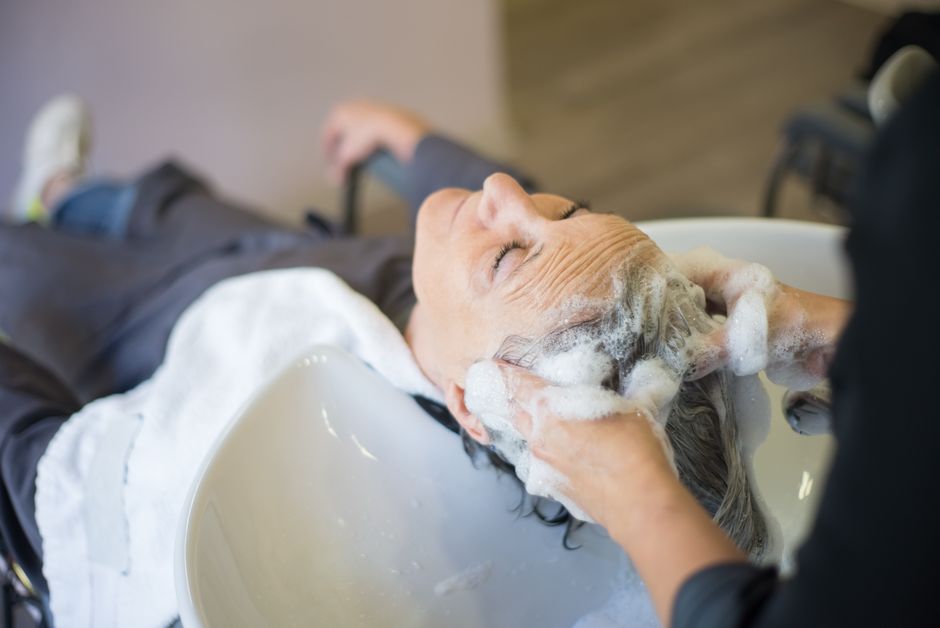
Does sulfate shampoo cause hair loss? The short answer is no. There is no clinical evidence that sulfates in shampoo cause hair to fall out from the root. What sulfates can do is strip natural oils from your scalp and hair, which may lead to dryness, irritation, and breakage. That breakage can look like hair loss, but it is not the same thing. Understanding the difference matters because it changes how you treat the problem.
What Are Sulfates in Shampoo?
Sulfates are cleansing agents. The two most common are sodium lauryl sulfate (SLS) and sodium laureth sulfate (SLES). They create lather and remove dirt, oil, and product buildup from your hair and scalp.
These ingredients are effective cleansers. That is why they appear in most mainstream shampoos, body washes, and toothpastes. They work by attracting both water and oil. This allows them to lift grease and rinse it away.
The concern about sulfates started in the curly hair community. People with curly or coily hair noticed that sulfate shampoos left their hair dry, frizzy, and prone to breakage. Over time, the worry spread to general hair health and hair loss.
But being a strong cleanser is not the same as being harmful. Sulfates are approved by dermatologists and regulatory agencies worldwide. They have been used safely for decades. The real question is whether they cause damage to the hair follicle or the hair shaft itself.
Does Sulfate Shampoo Cause Hair Loss?
No study has shown that sulfates cause hair loss. Hair loss happens at the follicle level, deep in the scalp. Sulfates do not penetrate that deeply. They work on the surface of your scalp and hair.
Most hair loss is genetic. The medical term is androgenetic alopecia. It affects both men and women and is linked to hormones and family history. Other causes include stress, thyroid disorders, iron deficiency, autoimmune conditions, and certain medications.
The confusion comes from the fact that sulfates can make hair look thinner. When sulfates strip natural oils, hair becomes dry, brittle, and rough. Dry hair snaps more easily. If you brush or style dry brittle hair, you may see broken strands in your brush. That is breakage, not hair loss from the root.
Hair loss from the root leaves a white bulb at the end of the strand. Breakage does not. If you see pieces of hair without a white bulb, it is breakage. That is an important distinction.
Why Do Some People Think Sulfates Cause Hair Loss?
Several things contribute to this belief. First, the wellness and beauty industry has marketed sulfate-free shampoos heavily. The message has been that sulfates are harsh and damaging. That marketing is effective, but it is not always accurate.
Second, when someone switches to a sulfate-free shampoo, they often notice less hair in the drain. This suggests that sulfate shampoo was causing hair loss. But the real explanation is different.
Sulfate shampoos remove buildup and oil thoroughly. Sulfate-free shampoos are gentler and leave more natural oil on the hair. That extra oil adds weight and makes hair clump together. Less hair appears in the drain because strands stick together and stay on your head. The amount of hair you lose daily has not changed. What changed is how visible it is.
Third, some people have scalp conditions like seborrheic dermatitis or psoriasis. Sulfates can irritate an already sensitive scalp. That irritation can lead to inflammation. Inflammation in the scalp can contribute to temporary hair shedding. But sulfates are not causing the condition. They are aggravating a pre-existing issue. The hair loss stops when the scalp is treated.




Can Sulfates Affect Hair Health in Other Ways?
Sulfates can affect hair health indirectly. They strip natural sebum from the scalp and hair. Sebum protects the hair shaft and keeps it flexible. Without enough sebum, hair can become dry, rough, and more prone to mechanical damage.
For people with very dry hair, chemically treated hair, or naturally curly hair, this can be a real problem. Their hair is already more fragile. Adding a strong sulfate cleanser makes it harder to retain moisture.
But for people with oily hair or a scalp that produces excess sebum, sulfates may be fine. There is no one-size-fits-all rule. Your hair type and scalp condition determine whether sulfates are a problem for you.
Research published in the Journal of the American Academy of Dermatology has noted that milder cleansers are better for people with sensitive skin or scalp conditions. But the same research does not suggest that sulfates cause hair loss in healthy individuals.
Who Might Benefit from Sulfate-Free Shampoo?
Sulfate-free shampoos are a good choice for certain people. If you have a sensitive scalp, eczema, or psoriasis, gentler cleansers may reduce irritation. If you have dry or curly hair, sulfate-free options can help retain moisture.
People with color-treated hair often prefer sulfate-free shampoos because sulfates can strip hair dye faster. Keratin-treated hair also holds up better with sulfate-free products.
If you have an oily scalp and fine straight hair, sulfate shampoos may work well for you. They remove excess oil effectively and leave hair feeling clean. There is no reason to avoid them unless your scalp becomes irritated.
The important point is that neither choice is wrong. The evidence does not support the idea that sulfates are harmful for most people. It supports the idea that individual hair and scalp needs vary.
What Causes Hair Loss That Can Look Like It Happens After Shampooing?
Some hair conditions are mistaken for shampoo-related loss. Telogen effluvium is a temporary shedding that happens weeks after a physical or emotional stressor. It often shows up suddenly and can be alarming. People notice increased shedding in the shower or on their pillow.
This is not caused by shampoo. It is caused by the body’s response to stress. Common triggers include illness, surgery, rapid weight loss, childbirth, and high fever. The shedding stops on its own once the trigger is resolved.
Traction alopecia is another cause. This is hair loss from tight hairstyles like braids, ponytails, or weaves. It happens at the hairline and along the part. It has nothing to do with what shampoo you use.
Androgenetic alopecia is gradual and pattern-based. It happens over years, not overnight. No shampoo can cause this or reverse it.
How to Tell If Your Shampoo Is Causing an Issue
If you suspect your shampoo is causing a problem, look for signs. Redness, itching, flaking, or a burning sensation after washing are signs of irritation. If you see those symptoms, the shampoo may not be right for your scalp.
Try switching to a milder shampoo for two to four weeks. Use lukewarm water and avoid scrubbing too hard. If symptoms improve, your previous shampoo was likely irritating your scalp. If they do not change, the shampoo was probably not the cause.
If you continue to see hair thinning or shedding after switching products, see a dermatologist. They can run tests for vitamin deficiencies, thyroid problems, and hormonal imbalances. These are common causes of hair loss that go undiagnosed.
Do not rely on product swaps alone to solve a medical problem. Many people spend months trying different shampoos while a treatable condition goes untreated.
What to Look for on a Shampoo Label
If you decide to avoid sulfates, look for products labeled “sulfate-free.” The ingredient list will not contain sodium lauryl sulfate or sodium laureth sulfate. Some sulfate-free alternatives include cocamidopropyl betaine, decyl glucoside, and sodium cocoyl isethionate.
But absence of sulfates does not automatically make a shampoo better. Some sulfate-free shampoos still contain harsh cleansing agents. Some contain fragrances or preservatives that can also irritate the scalp. The label “sulfate-free” is not a guarantee of gentleness.
A better approach is to choose a shampoo based on your specific needs. If your scalp is sensitive, look for products designed for sensitive skin. If your hair is dry, look for moisturizing ingredients. If you have dandruff, look for medicated options with zinc pyrithione or ketoconazole.
One ingredient cannot fix or cause hair loss on its own. Hair health is influenced by your overall health, diet, stress levels, and how you treat your hair day to day.
Frequently Asked Questions
Can sulfate shampoo make my hair fall out?
Sulfate shampoo does not cause hair loss from the follicle. It can dry out hair and lead to breakage, which looks like hair loss but is actually snapped strands.
Is sulfate-free shampoo better for hair loss?
Sulfate-free shampoo is not proven to stop or reverse hair loss. It may reduce hair breakage in people with dry or fragile hair, but it does not treat the underlying causes of hair loss.
Do sulfates cause balding?
No. Balding is most often caused by genetics and hormones. Sulfates do not affect the hair follicle or the hormonal processes that lead to pattern baldness.
Should I switch to sulfate-free shampoo?
Switch if your scalp feels irritated or your hair is excessively dry. If your current shampoo works well and your scalp is healthy, there is no medical reason to change.
