
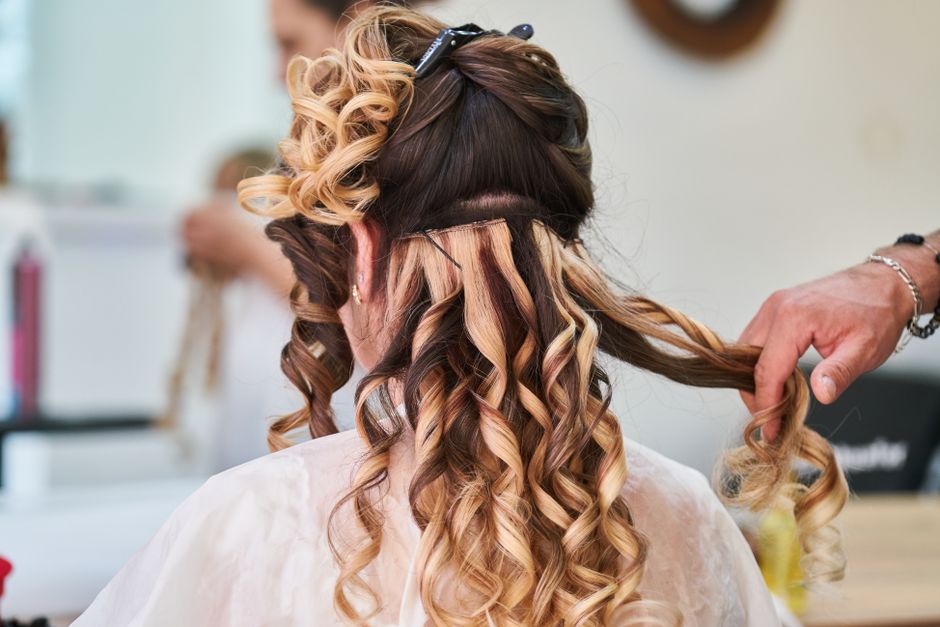
Choosing hair extensions can feel overwhelming with so many options on the market. The honest answer is that human hair is the best material for most people, but the specific type of human hair matters just as much. Remy human hair, which keeps the cuticles aligned in one direction, offers the most natural look, the longest lifespan, and the most styling flexibility. Synthetic fibers are cheaper and require no upkeep, but they cannot handle heat styling and will not last as long. If you want extensions that blend seamlessly and can be treated like your own hair, 100% Remy human hair is the clear winner.
Why Human Hair Beats Synthetic for Most People
Human hair extensions behave like your own hair because they are real hair. They respond to heat tools, hair dye, and styling products the same way your natural strands do. This makes blending nearly effortless, especially when the texture and color match your own hair closely.
Synthetic extensions are made from plastic fibers like polyester or acrylic. They come pre-styled and hold their shape well, but that is also their limit. You cannot use curling irons or flat irons on most synthetic hair because the fibers will melt or singe. Washing them can also ruin the style permanently.
Human hair lasts significantly longer. With proper care, high-quality human hair extensions can last anywhere from six months to over a year. Synthetic extensions typically last only one to three months before the fibers fray, tangle, or lose their luster. The upfront cost of human hair is higher, but the cost per wear often favors human hair over time.
What Is Remy Hair and Why It Matters
Remy hair refers to hair collected with the cuticles intact and aligned in the same direction. The cuticle is the outer protective layer of each strand. When cuticles all face downward, the hair resists tangling and stays smooth. Non-Remy hair has cuticles going in mixed directions, which causes friction between strands, leading to matting and a dull appearance.
True 100% Remy hair is the gold standard. It is the closest match to natural hair because the cuticle layer protects the strand from moisture loss and damage. It also reflects light the way healthy natural hair does, giving it a shiny, vibrant appearance.
Some manufacturers strip the cuticle entirely to create “cuticle-free” hair. This process removes the protective layer, making the hair more prone to tangling and dryness. It also shortens the lifespan of the extensions.
Virgin Hair vs. Remy Hair: Know the Difference
Virgin hair goes one step beyond Remy. It means the hair has never been chemically processed, colored, or permed. It comes from a single donor, which ensures consistent texture and color throughout the entire bundle.
Virgin hair is the highest quality available. It can be bleached, dyed, and styled just like your own hair, and it will continue to hold up well with proper care. Because it is unprocessed, it also tends to last longer than hair that has already been chemically treated.
Remy hair can be virgin, but not always. Some Remy hair has been colored or processed while still keeping the cuticle intact. If you plan to color your extensions to match your hair, virgin hair is the safer choice because it has not been weakened by previous chemical treatments.
The price difference between virgin and non-virgin Remy hair is noticeable. Virgin hair commands a premium because it is rarer and more versatile. For many people, the extra cost is worth it if they plan to keep their extensions for a long time or style them frequently.





Where the Hair Comes From Matters
Indian hair is the most common type used in extensions. It is fine to medium in texture, blends well with many hair types, and is widely available. It takes color well and holds curls nicely.
Brazilian hair is thicker and coarser. It is a good match for people with naturally thick or curly hair. It holds styles well and is durable, but it can feel heavy for people with fine hair.
Peruvian hair is similar to Brazilian hair but slightly finer. It has a natural wave and is known for being soft and lightweight. It works well for people who want volume without excessive weight.
Malaysian hair is coarse and naturally straight or wavy. It is durable and holds up well to heat styling. It may not blend as seamlessly for people with very fine, silky hair.
The source region matters because hair texture varies by population. Matching the texture of the extension hair to your natural hair is more important than the region itself. A high-quality stylist can help you choose the right origin based on your hair type.
How to Tell If You Are Getting Real Human Hair
The hair extension market has a serious counterfeiting problem. Many products labeled as “human hair” are actually synthetic blends or low-grade animal hair. Learning to spot the difference protects your money and your hair.
The burn test is the most reliable home method. Take a small strand and light it with a lighter. Human hair burns slowly, smells like burnt protein, and turns to ash that crumbles. Synthetic fiber melts quickly, smells like plastic, and forms a hard bead.
The bleach test also works. Real human hair lightens when bleach is applied. Synthetic hair does not react to bleach at all.
Read the label carefully. Reputable brands state whether the hair is Remy, virgin, or non-Remy, and they identify the country of origin. Vague labels like “premium quality” or “cuticle hair” without specifics are a red flag.
Price is another clue. If a bundle of “100% Remy human hair” costs significantly less than other brands, it is likely not genuine. High-quality human hair is expensive to source and process, and there is no way around that cost.
Synthetic and Heat-Friendly Synthetic Options
Synthetic extensions are not all the same. Standard synthetic fibers cannot withstand heat, but newer heat-friendly synthetics can handle low-temperature styling. These fibers are made from a special polymer that tolerates heat up to a certain threshold, usually around 300-350°F.
Heat-friendly synthetics are a reasonable budget option for someone who wants to change their look temporarily without spending hundreds of dollars. They are lighter than human hair and hold styles very well. The downside is that they still do not last as long, and they cannot be colored or bleached.
For someone who only wears extensions occasionally, synthetic may be the practical choice. For someone who wants extensions to be a seamless part of their daily look, human hair is worth the investment.
What About Clip-Ins vs. Permanent Methods
The material matters, but the attachment method matters too. Clip-in extensions are temporary and can be applied and removed at home. Tape-in, sew-in, and fusion methods require a professional and last for weeks or months.
High-quality human hair works for all attachment methods, but lower-grade hair may not survive the wear and tear of permanent installation. If you plan to wear extensions for weeks at a time, invest in virgin Remy hair. It will hold up to washing, brushing, and styling far better than processed hair.
Clip-ins are more forgiving because they are not exposed to constant friction and washing. Synthetic clip-ins can work for occasional wear, but they will tangle at the clips over time.
How to Care for Human Hair Extensions
Human hair extensions require maintenance to stay beautiful. Wash them with sulfate-free shampoo and conditioner, and always brush them gently starting from the ends. Never sleep with wet extensions, and braid them loosely at night to prevent tangling.
Heat styling is safe on human hair, but use a heat protectant spray and keep the temperature below 400°F. Excessive heat will dry out the hair and shorten its lifespan.
When extensions are not in use, store them in a silk or satin bag to prevent friction damage. Keep them away from direct sunlight and humidity.
Frequently Asked Questions
How long do human hair extensions last?
High-quality Remy or virgin human hair extensions can last six months to over a year with proper care. Synthetic extensions typically last one to three months before they begin to fray and tangle.
Can you dye human hair extensions?
Yes, human hair extensions can be dyed, especially virgin hair that has never been chemically processed. Synthetic extensions cannot be dyed because the fibers do not absorb color.
Is Remy hair worth the extra cost?
Yes, Remy hair is worth the cost for most people because the aligned cuticles prevent tangling and extend the lifespan of the extensions. Non-Remy hair is cheaper but will look dull and matted much faster.
Can you curl synthetic hair extensions?
Standard synthetic hair cannot be curled with heat because the fibers will melt. Heat-friendly synthetic extensions can be styled at low temperatures, but they still do not match the versatility of human hair.
