
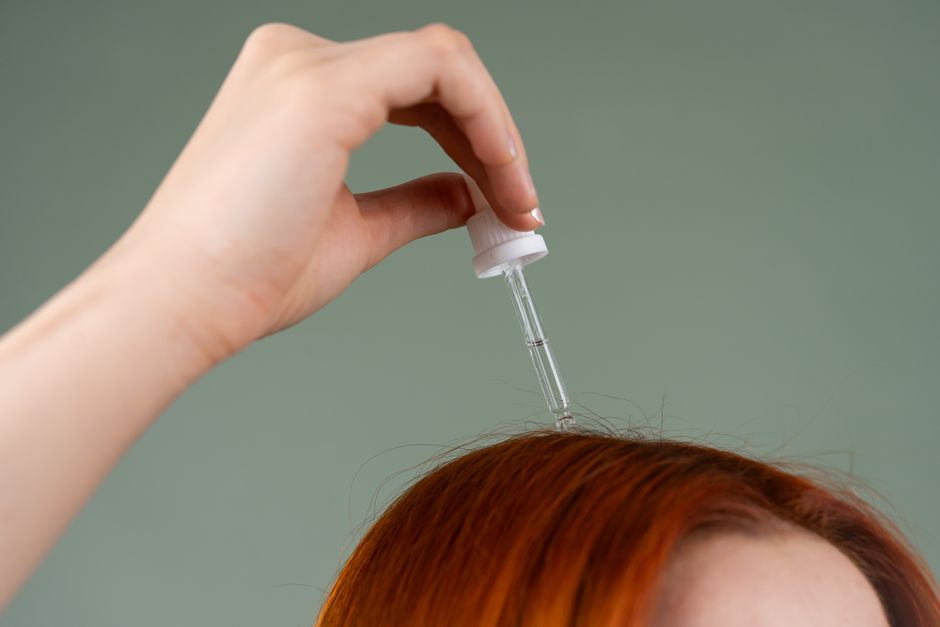
A shiny scalp often shows up in photos or in bright bathroom light, and it is natural to wonder what it means. The short answer is that a shiny scalp is usually just visible skin. It does not cause hair loss by itself, but it can be a sign that hair thinning has already happened. When hair becomes less dense, the scalp is more exposed, and light reflects off the skin more easily. This article explains why that happens and what it does and does not tell you about your hair.
Why Is My Scalp Shiny And Does It Mean Hair Loss?
Shininess on the scalp is mostly about light reflection. Healthy hair covers the scalp and scatters light, so the skin underneath is not obvious. When hair density drops, more scalp is visible. The skin on your head has a natural oil called sebum, and that oil makes the exposed skin look glossy. So the shine you see is a combination of less hair coverage and natural skin oil.
Shininess alone does not mean you are actively losing hair right now. It means the hair you have is thinner or sparser than it used to be. Many people notice a shiny scalp years after gradual thinning began, not during a sudden shed. If you are seeing more scalp than before, it is worth looking for other signs of hair loss, such as receding hairlines, wider part lines, or more hair in the shower drain.
What Causes The Scalp To Look Shiny?
The scalp looks shiny for a few reasons. The most common is reduced hair density. Each hair follicle produces a single strand, and when follicles shrink or stop producing hair, the space between strands increases. Light hits the exposed skin directly, and the natural oils on the skin reflect that light.
Another factor is sebum production. The scalp has more sebaceous glands than most other skin on the body. These glands produce oil that keeps the skin moisturized. When hair is thin, that oil sits on the surface of the scalp instead of being absorbed along the hair shaft. The result is a glossy appearance.
Skin tone also matters. People with lighter skin may notice shine more easily because the contrast between hair and scalp is higher. People with darker or thicker hair may not notice shine until thinning is more advanced. The shine itself is not a separate condition. It is a visual effect of what is happening beneath the surface.
Is A Shiny Scalp A Sign Of Hair Loss?
A shiny scalp can be a sign of hair loss, but it is not a direct symptom. Hair loss conditions like androgenetic alopecia (pattern baldness) cause follicles to shrink over time. As hair strands become finer and shorter, the scalp becomes more visible. The shine appears gradually, often over years.
Other forms of hair loss do not typically cause a shiny scalp. Telogen effluvium, for example, is a temporary shedding phase that happens after stress, illness, or hormonal changes. During this condition, hair falls out in larger amounts, but the remaining hair usually still covers the scalp. A shiny scalp is more closely tied to gradual thinning than to sudden shedding.
It is also possible to have a naturally shiny scalp without any hair loss. Some people simply have oilier skin or finer hair texture. If your hair density has not changed and you have no other signs of thinning, the shine is probably just your natural skin. The key question is whether the scalp has become more visible over time.





What Does A Shiny Scalp Look Like Compared To Other Scalp Issues?
A shiny scalp is different from other scalp conditions that cause visible skin changes. Understanding the difference can help you decide whether to see a doctor.
- Shiny scalp from thinning: The skin looks smooth and normal. There is no redness, scaling, or irritation. The main feature is that more scalp is visible than before.
- Seborrheic dermatitis: This condition causes flaky, greasy patches on the scalp. The skin may look red or yellowish. It can make the scalp look oily, but it usually comes with itching and visible flakes.
- Psoriasis: This causes thick, silvery scales on the scalp. The skin underneath may be red. It does not look like a smooth shine.
- Scalp infection: Bacterial or fungal infections can cause redness, swelling, pus, or crusting. A smooth shine is not the main feature of an infection.
If your scalp is shiny but otherwise healthy-looking, it is most likely related to hair density or natural oil. If you see flakes, redness, sores, or itching, that points to a different issue that may need medical evaluation.
Can You Have A Shiny Scalp Without Losing Hair?
Yes. A shiny scalp can exist without active hair loss. Some people are born with fine hair that naturally shows more scalp. Others have high sebum production that makes the skin look glossy even with full hair coverage. Aging also plays a role. Hair naturally becomes finer with age, which can make the scalp more visible even without a diagnosable hair loss condition.
The distinction matters because treatment approaches differ. If you have a shiny scalp due to naturally fine hair or oily skin, hair loss treatments will not change that. If the shine is due to pattern hair loss, treatments may help slow or stop further thinning, but they will not restore the exact density you had in your twenties.
What Should You Do If Your Scalp Is Shiny?
Start by checking your hair density objectively. Part your hair in the same place you always do and take a photo. Compare it to photos from a year or two ago. Look at your temples and crown, which are the areas most affected by pattern hair loss. If the part line is wider or the scalp is clearly more visible, that is a stronger sign of thinning.
If you are concerned, see a dermatologist. A doctor can examine your scalp with a dermatoscope, which magnifies the skin and hair follicles. This can reveal whether follicles are shrinking, which is a hallmark of pattern hair loss. The doctor can also check for other conditions like vitamin deficiencies or thyroid problems that can contribute to hair thinning.
For the shine itself, there is no medical treatment needed. If the oiliness bothers you, you can wash your hair more frequently or use a gentle clarifying shampoo. These products remove excess sebum but do not change hair density. No shampoo, serum, or topical product has been shown to permanently reduce scalp shine.
What Treatments Exist For The Underlying Hair Loss?
If a doctor confirms you have pattern hair loss, several treatments have solid evidence behind them. Minoxidil, available over the counter, is applied to the scalp and can slow hair loss and stimulate some regrowth. Finasteride, available by prescription, works by blocking the hormone that shrinks hair follicles. It is approved for use in men. Low-level laser therapy is another option that some studies suggest may help, though results vary.
These treatments do not work for everyone, and they require consistent use to maintain results. If you stop using them, the hair loss resumes. No treatment restores full density. The goal is to slow progression and possibly improve coverage modestly.
For temporary shedding like telogen effluvium, the treatment is usually time and addressing the underlying trigger. Once the stressor resolves, hair typically regrows within several months. No clinical evidence confirms that any supplement speeds up this process beyond normal recovery.
When Should You See A Doctor About A Shiny Scalp?
See a doctor if the shiny scalp comes with other symptoms. Redness, itching, burning, flaking, or tenderness are not normal features of simple thinning. These symptoms may indicate dermatitis, psoriasis, or an infection that needs specific treatment.
Also see a doctor if you notice sudden or patchy hair loss. A shiny scalp from gradual thinning develops slowly. If you are losing hair in clumps or developing bald patches, that is a different situation that requires evaluation. Sudden hair loss can be related to autoimmune conditions, hormonal changes, or medication side effects.
Finally, see a doctor if hair loss is affecting your emotional well-being. Hair loss is a legitimate medical concern, not just a cosmetic one. A dermatologist can offer treatment options and, if needed, refer you to a mental health professional who specializes in appearance-related distress.
Frequently Asked Questions
Does a shiny scalp always mean baldness is coming?
No. A shiny scalp can be natural for people with fine hair or oily skin. It becomes a concern only when you also notice reduced hair density over time.
Can I stop my scalp from looking shiny?
Washing more frequently or using a clarifying shampoo can reduce oiliness temporarily. No product permanently changes scalp shine, and treating the shine does not address any underlying hair thinning.
Is a shiny scalp a sign of a scalp disease?
Usually not. A smooth, shiny scalp without redness, flakes, or itching is typically just visible skin. If you have other symptoms like scaling or soreness, see a dermatologist.
Will hair grow back if my scalp is shiny from thinning?
It depends on the cause. With pattern hair loss, treatments can slow further loss and may stimulate some regrowth. With temporary shedding conditions, hair often regrows once the trigger resolves.
